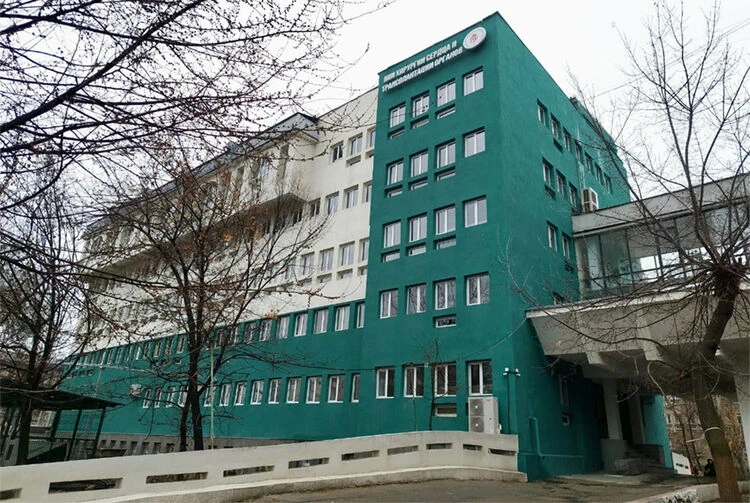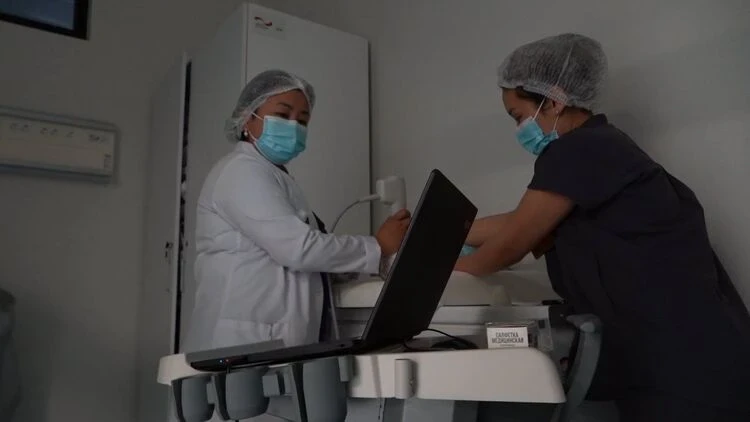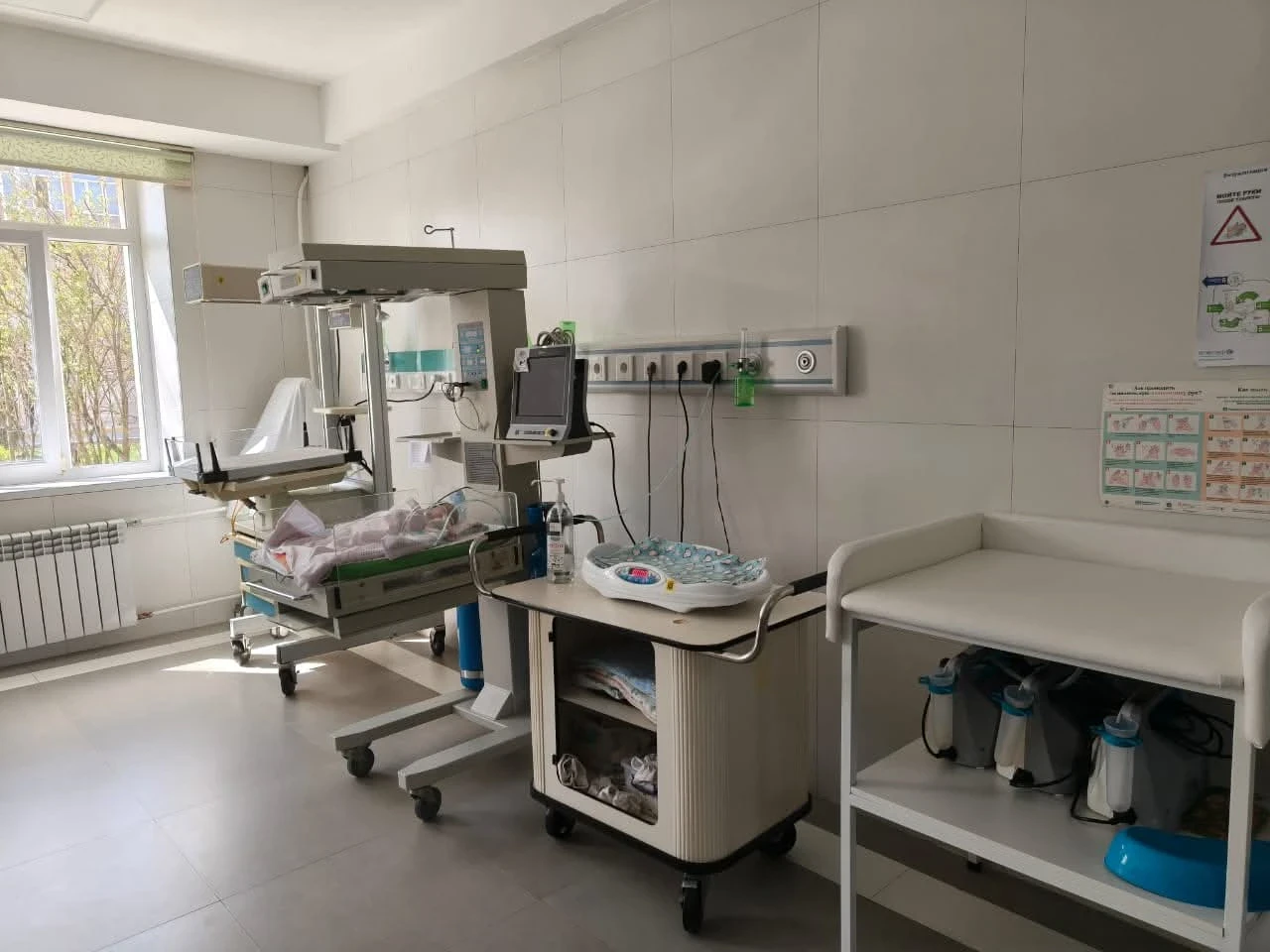
Since its opening in January 1997, this department has become one of the key places for providing specialized medical care to children in their first month of life from all corners of Kyrgyzstan. It is equipped to provide high-quality medical assistance, including modern equipment and qualified personnel, which allows for the successful treatment of patients with varying degrees of severity, including in critical conditions.
As of 2025, the department has admitted over 1,000 newborns. Notably, about 50% of them came from the Chui region, 25% from Bishkek, and the remaining 25% from other regions of the country. The main sources of patients comprise 60% from other medical institutions and 24% who self-referred.
Photo NCPMC
The average length of stay for newborns in the department is 10.2 days, and bed occupancy reaches 90%, indicating a high demand for specialized neonatal care.
The most common reasons for hospitalization are infections typical of the perinatal period, neonatal jaundice, pneumonia, neonatal sepsis, and various forms of encephalopathy.
In recent years, there has been a positive trend in reducing cases of neonatal sepsis and perinatal infections, indicating an improvement in the quality of medical services during pregnancy, childbirth, and early neonatal care.
However, sepsis and critical congenital heart defects remain the leading causes of neonatal mortality. Particularly vulnerable are extremely premature infants with a gestational age of less than 28-33 weeks, who account for up to 85.7% of all fatalities among premature infants. This highlights the need for further improvements in intensive care, including respiratory support, nutritional provision, and antibacterial therapy.
Key areas for the future remain family planning, prevention of congenital and hereditary diseases, infection control, and improving the routing of newborns.
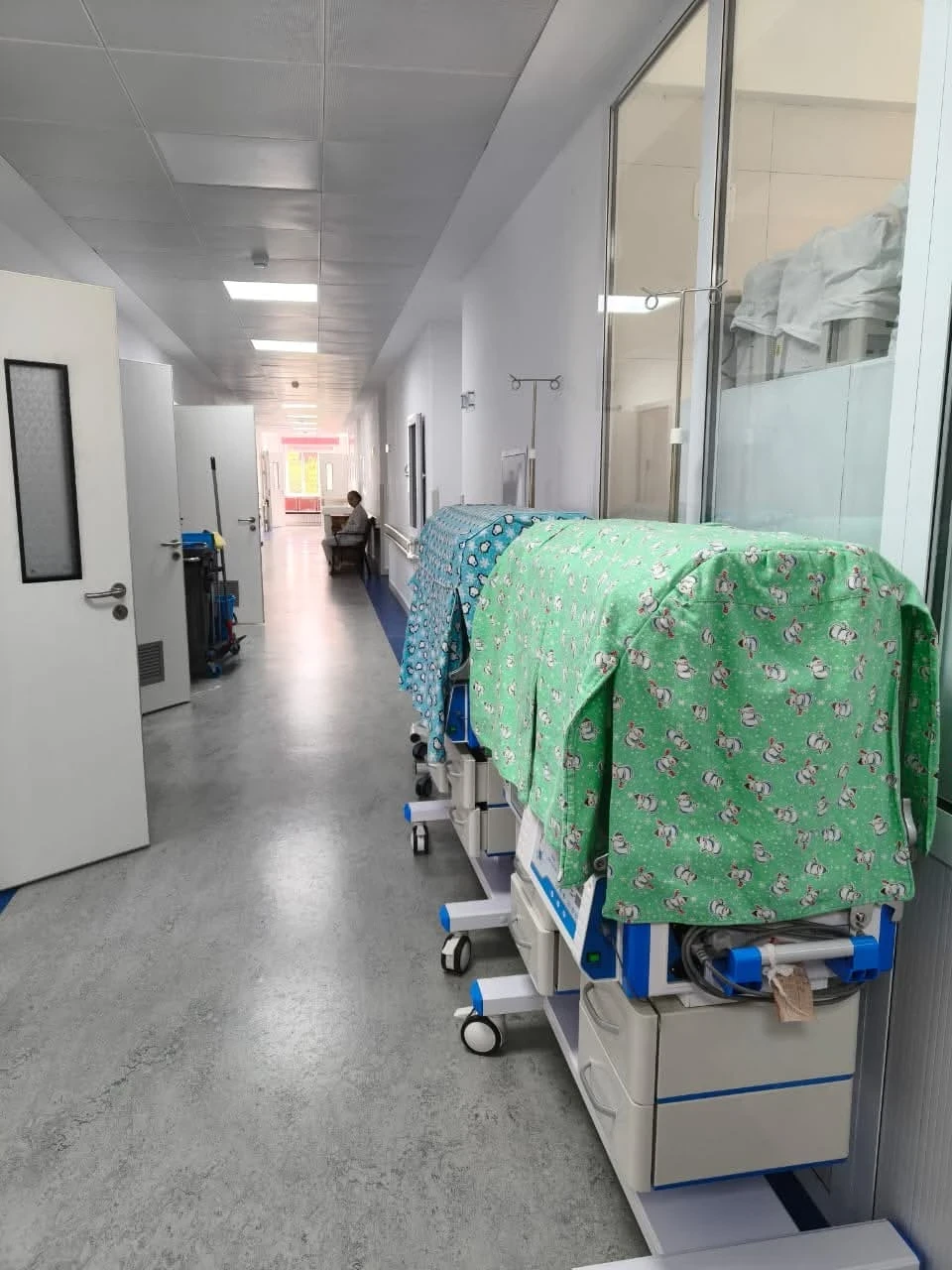
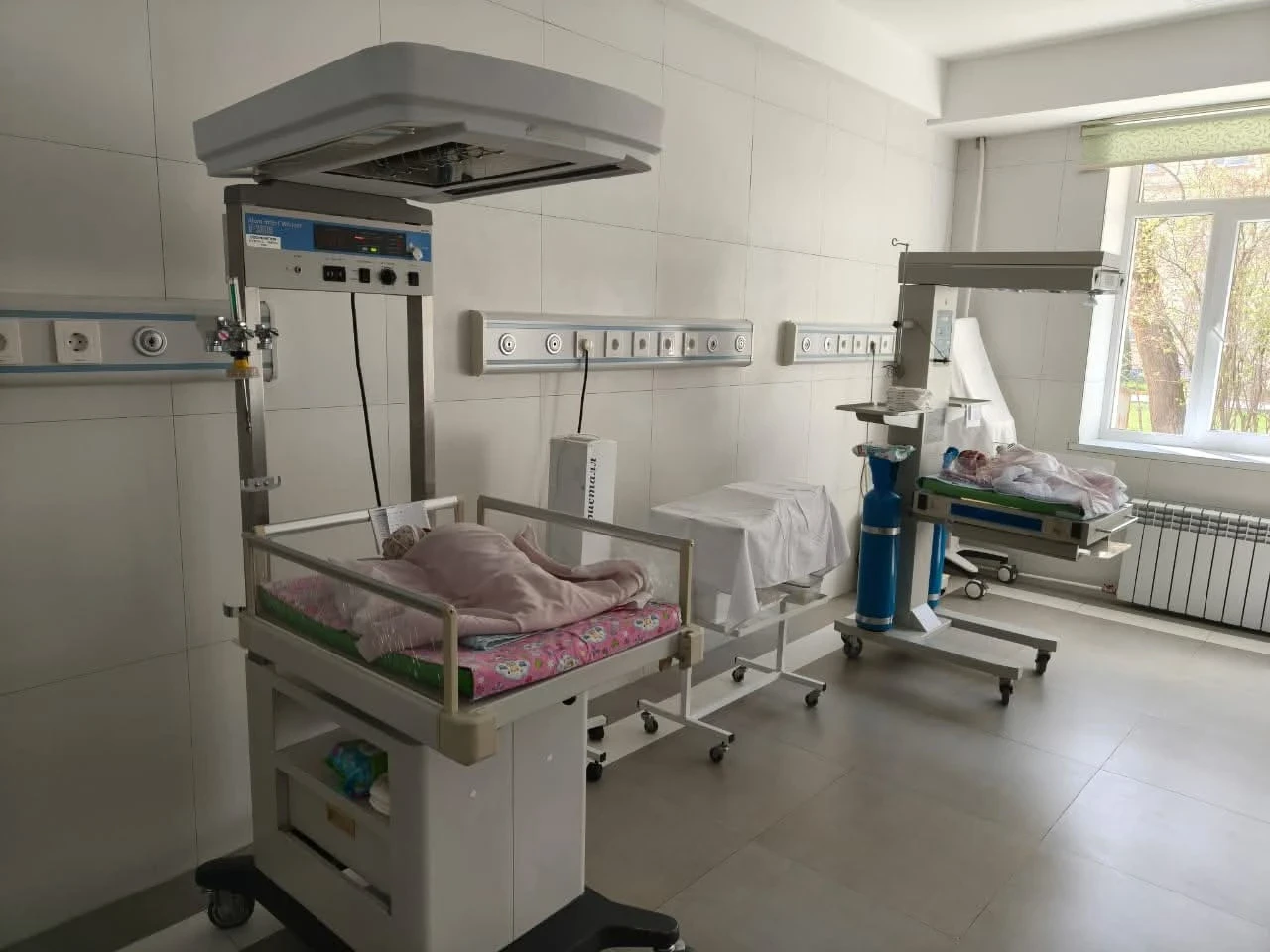
Significant attention is paid to the quality of transporting children from the regions and strengthening cooperation with district medical institutions and maternity services in Bishkek.
In addition to medical activities, the department staff actively engage in scientific and educational activities: they collaborate with international organizations, attract investments, develop clinical protocols, conduct outreach seminars in the regions, and annually organize events dedicated to the International Day of Premature Babies.