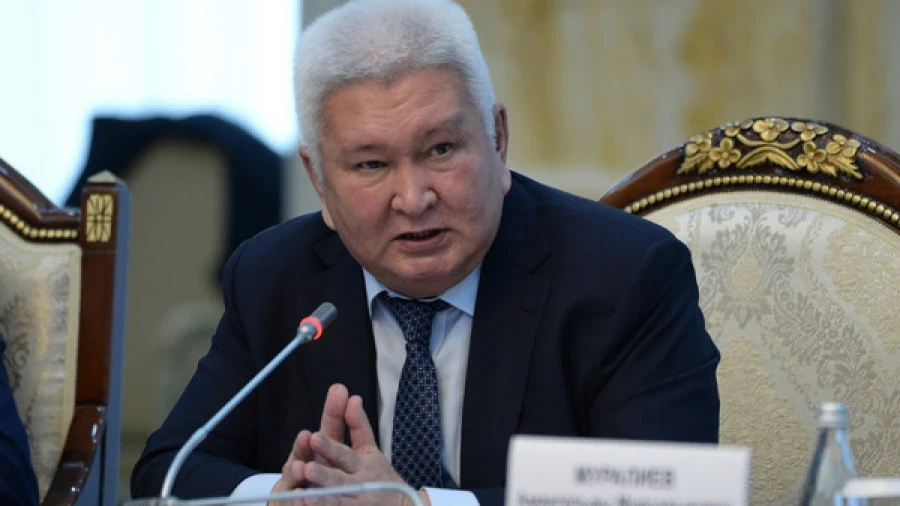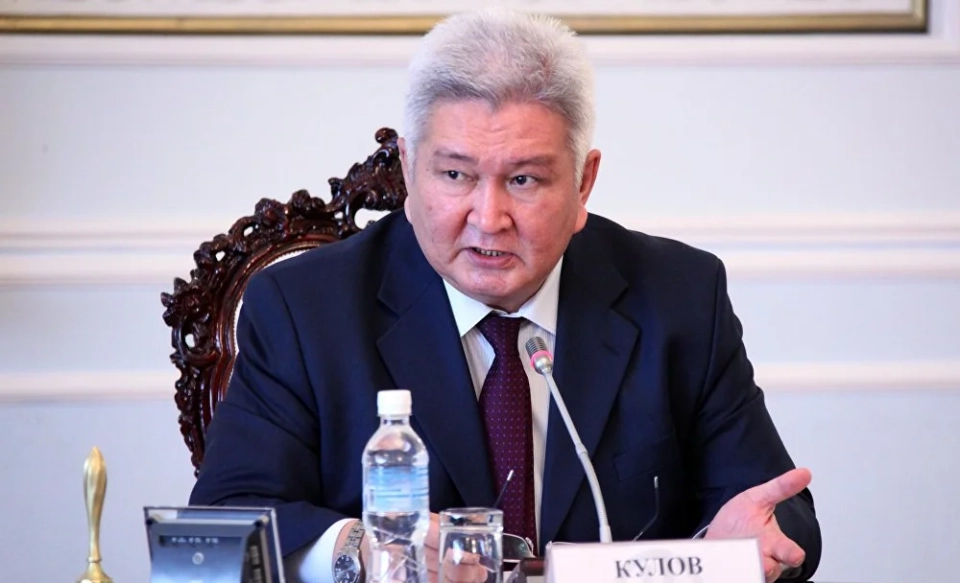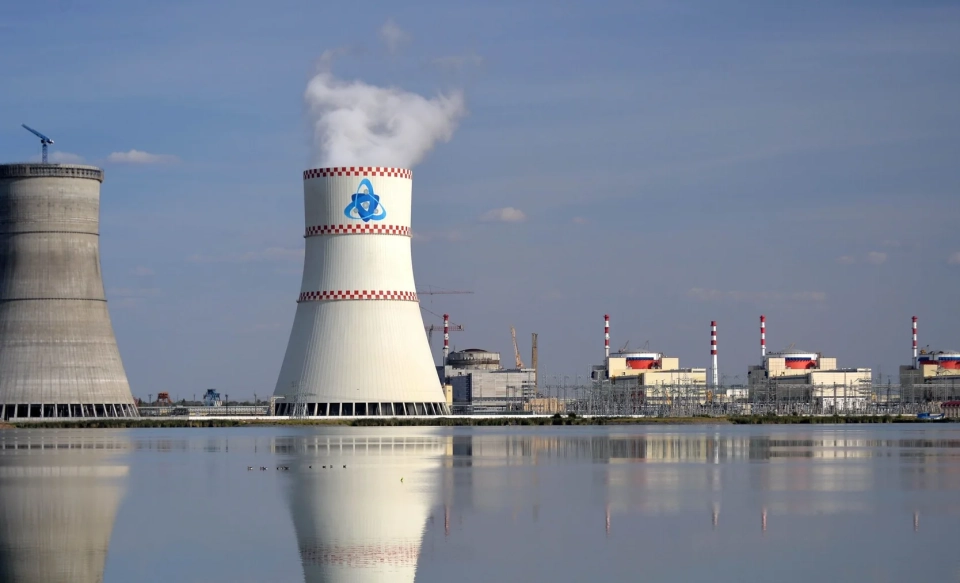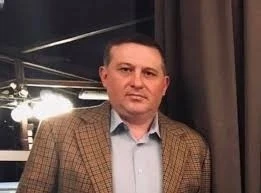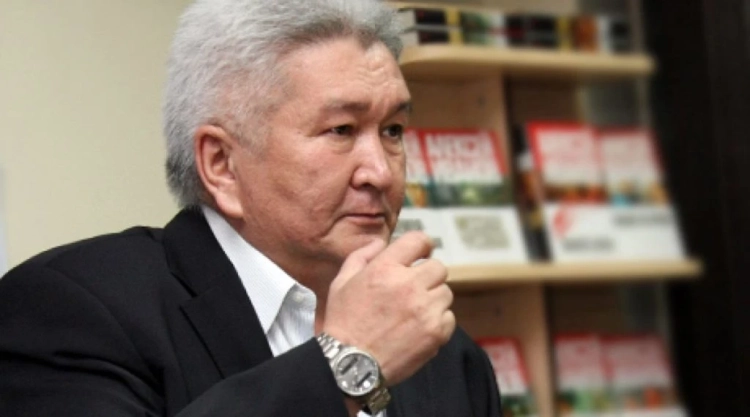
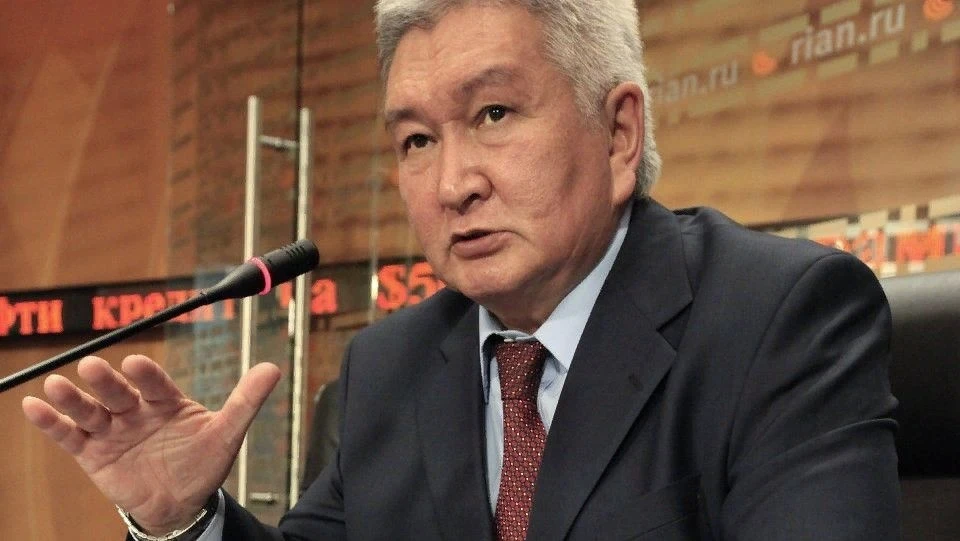
Felix Kulov, a former prime minister, commented on a recent post by Omurbek Tekebaev regarding the possibility of constructing small nuclear power plants in Kyrgyzstan, noting that his research concluded that modern modular nuclear power plants can be an effective solution for the country's energy system.
According to Kulov, the main argument in favor of nuclear energy is the advancements in technology in recent years. New modular reactors are significantly different from older ones; they are designed to operate in areas with high seismic activity and have passive safety systems that automatically shut down the reactor in case of malfunctions. These installations are recognized by the European Union as an environmentally friendly source of energy.
“The safety of these reactors is confirmed by international certifications and real-world operation. Here are their main advantages:
- high seismic resistance — designed with seismic risks in mind;
- passive safety systems — automatically shut down in case of an emergency without human intervention;
- environmental friendliness — recognized by the European Union as "green" energy.
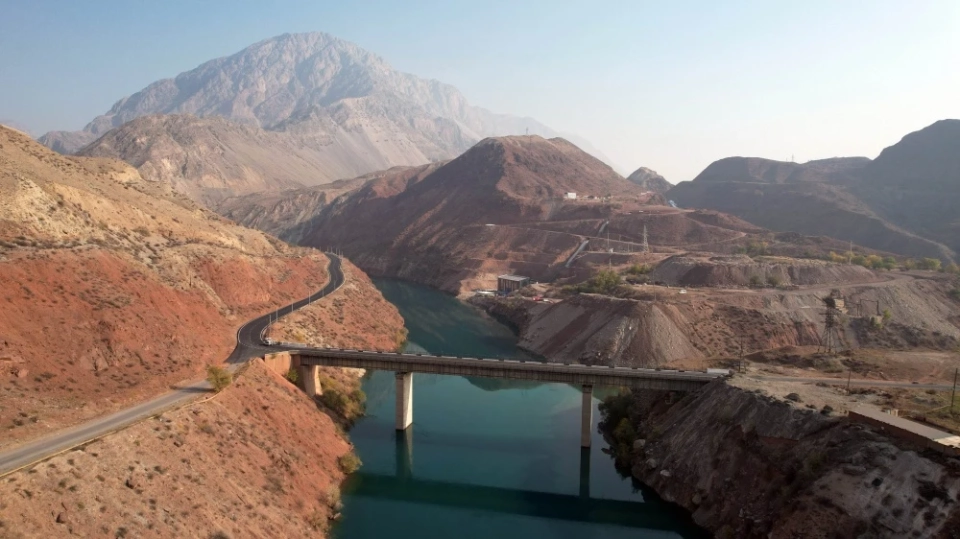
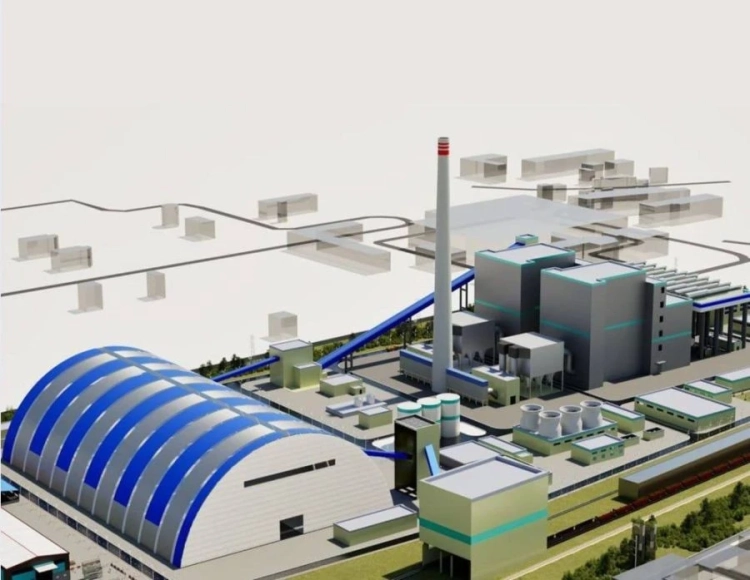
The current energy system of Kyrgyzstan is vulnerable. Dependence on hydropower makes the country susceptible to droughts and water shortages, as already seen in the case of the Toktogul reservoir. Additionally, the construction of a coal plant in Kara-Keche poses certain environmental risks, such as carbon dioxide emissions and ash dumps, and does not solve all the problems of the energy sector.
Nuclear energy offers a stable system capable of operating around the clock in any weather conditions, minimizing the risk of energy shortages.
It is important to note that nuclear power plants do not require uranium mining at their sites.
The majority of countries using nuclear power plants do not engage in uranium mining (for example, Japan, France, Turkey, Finland).
Regarding radioactive waste, the contract for the construction of small nuclear power plants with a capacity of about 300 MW necessarily includes conditions under which the supplier is responsible for the transportation of ready fuel and the disposal of spent fuel outside the country. In Kyrgyzstan, such waste will not be stored or accumulated.
Thus, Kulov's proposal, who is actively working on the diplomatic front in the interests of the country, appears relevant and deserves support.
This technology, combined with hydro, coal, wind, and solar power plants, will allow Kyrgyzstan to ensure stable electricity supplies, which is a key factor for successful economic development and the normal existence of the population,” he concluded.