The parties strive for long-term and stable cooperation
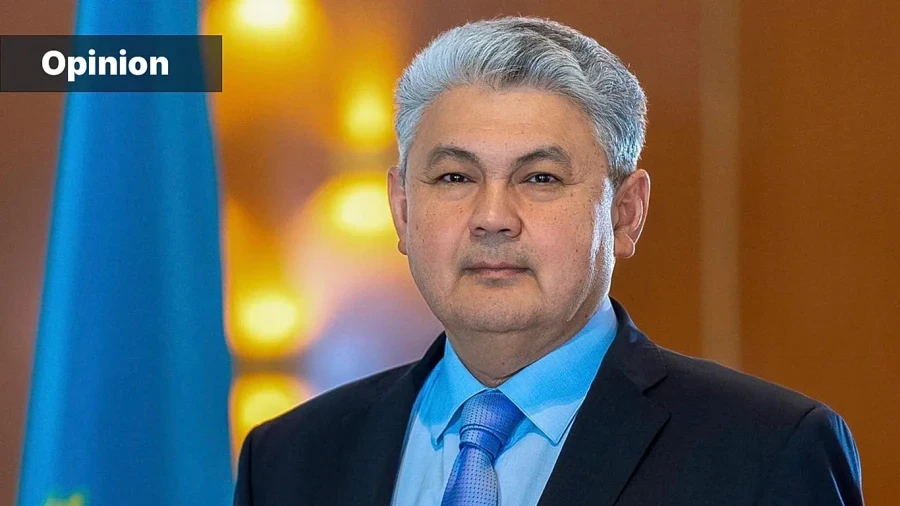
Kazakhstan and the European Union have a mutual interest in creating sustainable and predictable supply chains, which are the foundation for economic growth and the implementation of technologies necessary for achieving an environmentally friendly future. This was stated by Foreign Minister Yerzhan Koshybayev in his article for Euronews.
December of this year marks a decade since the signing of the Agreement on Enhanced Partnership and Cooperation (EPCA) between Kazakhstan and the EU, which became an important milestone confirming their commitment to constructive and forward-looking interaction.
Over the past ten years, cooperation has covered areas such as political dialogue, security, investment, education, and communication. The European Union, having invested over 200 billion euros since 2005, has become Kazakhstan's largest trading and investment partner.
To date, our relations are based on a shared commitment to the principles of the UN Charter and an understanding that many global challenges can only be addressed through deeper interaction between Europe and its reliable partners.
One of the key tasks is to provide Europe with the materials and technologies necessary for the transition to a "green" and digital economy. Europe's dependence on a limited number of suppliers of critical resources significantly impacts its competitiveness.
Ensuring stable access to these resources is becoming a strategic issue, in which Kazakhstan can play an important role.
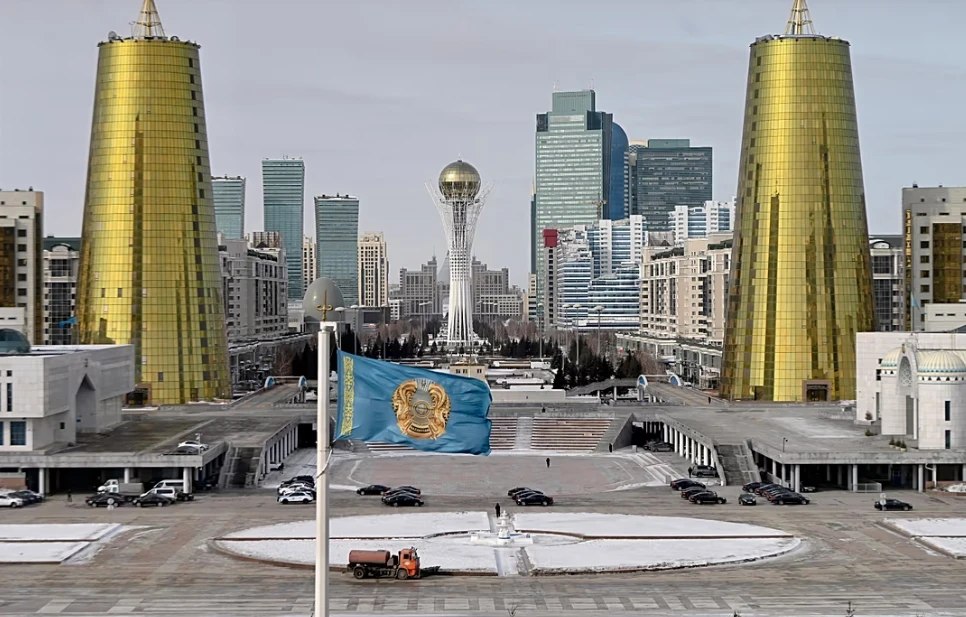
Kazakhstan is already participating in solving this problem
The European Commission emphasizes the need to diversify sources of critical resources. EU policymakers face an important challenge: how to minimize risks while maintaining the pace of implementing the "Green Deal."
Kazakhstan is at the forefront of addressing this issue. In 2024, bilateral trade with the EU amounted to 48.8 billion US dollars, with over 80% of Kazakhstan's oil exports directed to European markets.
Looking to the future, we see opportunities to create reliable and diversified supply chains of critical mineral resources for Europe, where our resources and expertise can be key.
The decade since the signing of the EPCA has demonstrated the successes this partnership can bring. The next decade should be defined by the implementation of strategic projects, strengthening value chains, modernizing infrastructure, and deepening technological cooperation.
EU legislation on critical raw materials highlights the scale of this issue. By 2030, Europe plans to significantly increase the volumes of extraction and processing of resources to meet internal needs and reduce dependence on external supplies.
Recent disruptions in supply chains have demonstrated how easily they can be disrupted due to geopolitical factors or logistical problems. The demand for minerals such as copper, graphite, rare earth elements, manganese, and titanium continues to grow faster than the global market can supply.
Kazakhstan is one of the few countries capable of helping to fill this gap. According to the EU, Kazakhstan can supply 21 out of 34 types of raw materials considered critical, including several strategically important resources. Our Sarytogan graphite mining project is included in the official list of strategic projects of the EU under the Critical Raw Materials Act.
Cooperation already has a solid foundation. More than 4,000 European companies operate in Kazakhstan. The Memorandum of Understanding signed in 2022 with the EU on strategic partnership in critical raw materials, batteries, and renewable hydrogen has strengthened the economic base of the EPCA. The joint roadmap for 2025-2026 sets clear priorities, ranging from geological exploration to the development of value chains and the production of "green" hydrogen.
Now it is necessary to transform this solid foundation into real results.
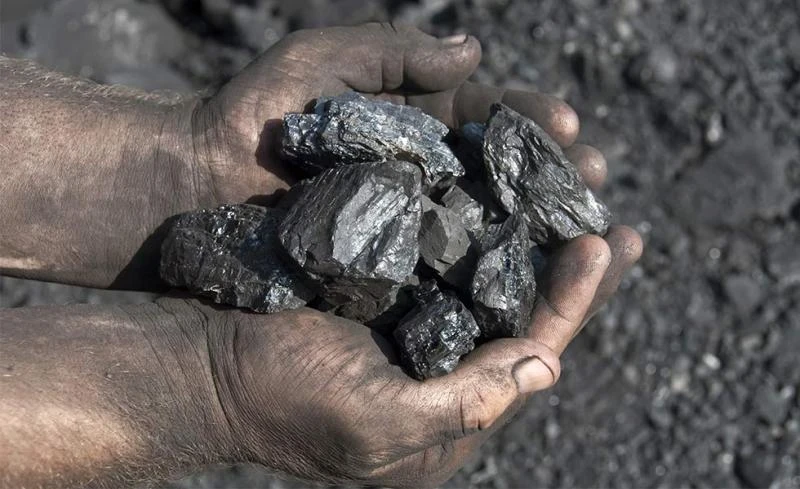
Jointly overcoming common challenges
A necessary first step will be the implementation of a number of highly efficient projects. Expanding cooperation in key areas such as copper, manganese, titanium, and rare earth elements will create a more diversified supply base for Europe and provide investors with clear long-term prospects.
Sustainability also requires going beyond raw materials. To achieve European goals in recycling and refining, reliable partners with production capacities and geographical reach are needed. Kazakhstan has the resources to support this transition, and expanding cooperation in processing will help form a more predictable supply base.
Transport and logistics play an important role. Reliable and safe routes are necessary for critical materials, and the Trans-Caspian International Transport Route, known as the Middle Corridor, has already become an important link between Central Asia and Europe.
Thanks to investments from the European Commission and international financial institutions exceeding 10 billion euros, the route is becoming more efficient and reducing transit times. Continuous investments in infrastructure, railway capacities, and digital systems will contribute to strengthening this corridor and reducing risks in clean energy supply chains in Europe.
Innovation and skills must also develop in parallel. Reliable supply chains depend not only on raw materials but also on technologies and expertise. Kazakhstan is already participating in the "Horizon Europe" and "Erasmus+" programs, and the expected simplification of the visa regime for Kazakh citizens will create opportunities for deeper cooperation in geological exploration, battery processing, and the production of "green" hydrogen, which will help accelerate the achievement of Europe's climate goals and the modernization of Kazakhstan's industry.
As we mark the decade of the Agreement on Enhanced Partnership and Cooperation, we see that the direction of development is clear: Kazakhstan and the EU are striving for stable, predictable, and sustainable supply chains that are the foundation for economic growth and the implementation of technologies for a cleaner future.
The past decade has shown the results of this partnership. The future must be defined by the implementation of strategic projects, strengthening value chains, modernizing infrastructure, and deepening technological cooperation.
The transformation of Europe will ultimately depend on securing the resources needed for future industries. By making the right decisions, both sides can build a stronger and more sustainable partnership. Kazakhstan is ready to cooperate with the European Union to turn common challenges into common advantages.
Photo www