The editorial team of Kaktus.media has prepared an overview of the key observations of the OSCE/ODIHR regarding the election context, main conclusions during the voting and counting process, the state of the legal framework and media freedom, participation of women and minorities, as well as identified problems and recommendations. The original document can be found at the end of the material.
Early Elections
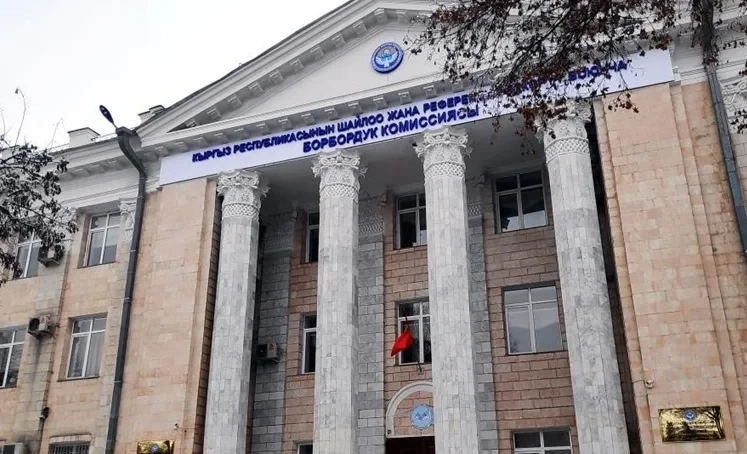
The early parliamentary elections took place on November 30, 2025, after the self-dissolution of the Jogorku Kenesh at the end of September. The previous parliament was elected in 2021, but in August 2024, President Sadyr Japarov emphasized the need for a "strong vertical of power" and expressed gratitude to the deputies for their prompt support of decisions. Many observers viewed the extraordinary elections as a step towards further consolidation of presidential power.For the first time, a new electoral system was implemented in these elections. Now, 90 deputies are elected by a majoritarian system of single non-transferable vote (SNTV) in 30 constituencies, with each party allowed to nominate only one candidate per constituency, significantly reducing the influence of parties. As a result, the majority of the 465 registered candidates ran as independents, and only one political party took advantage of the right to nominate its candidates. This unprecedentedly low level of party participation clearly demonstrates the impact of the new system on political competition. The Central Election Commission promptly prepared for the elections, which contributed to trust in its technical competence. The final voter list comprised about 4.29 million citizens (of which approximately 52% are women). Voters could check their data in advance, and overall confidence in the accuracy of the register was high.
Legal Framework and Changes in Elections
The 2025 elections were conducted under new electoral legislation. Although the new legal framework provided the technical conditions for voting, it did not meet international standards for democratic elections and did not take into account many previous recommendations from the OSCE/ODIHR and the Venice Commission. Significant changes to the legislation were made shortly before the elections: a new electoral system, changes in constituency boundaries, and tightening of candidate requirements. The short time frame between the changes in laws and the start of the campaign did not allow for full consultations and preparation for the new rules, raising doubts about the inclusiveness of the process and undermining the stability of the electoral legislation. Additionally, excessively strict requirements complicated the candidate nomination process: many potential candidates were unable to participate due to high electoral deposits and other restrictions. Observers noted that such criteria limit passive voting rights and contradict international standards. As a result, 57 nominees were denied registration.Election Campaign
The election campaign took place under noticeable restrictions on the competitive environment. Fundamental political freedoms, such as freedom of speech and assembly, are formally guaranteed by the Constitution; however, new laws imposed serious restrictions on their implementation. Increased persecution of journalists led to self-censorship in society. In particular, in 2025, a media law was adopted requiring all media to register and imposing restrictions on foreign participation. Shortly before the elections, three popular media outlets were declared "extremist" and banned, and several opposition politicians were arrested. These events further narrowed the opportunities for open campaigning.The financial conditions for candidates were also unequal. Most candidates relied on their own funds, which prevented many of them from competing on equal terms. During the campaign, reports of voter bribery emerged, but only nine criminal cases were initiated. The legislation formally prohibits the use of administrative resources, but oversight of compliance with this ban was insufficient.
Media, instead of being a platform for ideological competition, largely excluded themselves from covering candidates. State television channels provided free airtime, but almost all news was dedicated to the activities of the authorities. OSCE/ODIHR observations showed that candidates were not covered in news and analytical programs. This is due to the fact that media bear responsibility for disseminating information that discredits candidates and the narrow interpretation of the principle of equal coverage. Most media avoided content about competing parties for fear of sanctions. The pluralism of opinions decreased after the nationalization of the public television channel and the overall decline of independent journalism.
Participation of Women and National Minorities
Expanding women's participation became an important goal of reforms. The new electoral system introduced a gender quota: in each constituency, one of the three mandates is reserved for a representative of the less represented gender. This allowed women to make up 41% of all candidates, which is a significant achievement. However, observers noted that women are still underrepresented in high political positions and have to overcome stereotypes and financial barriers. The lack of special support programs and instances of intolerance also hinder their participation. Nevertheless, women were widely represented in electoral commissions, although there are only two women in the CEC.As for national minorities, their representation remained limited. According to official data, only ten candidates (about 2%) identified themselves as representatives of minorities. The new rules did not take into account the ethnic composition of constituencies, leading to the fragmentation of compact communities. Issues of minority interests were hardly raised, and campaign information in their languages was extremely limited. The CEC conducted outreach work, but it did not cover the languages of national minorities, which reduced the awareness of these groups.
Voting Day: Process and Vote Counting
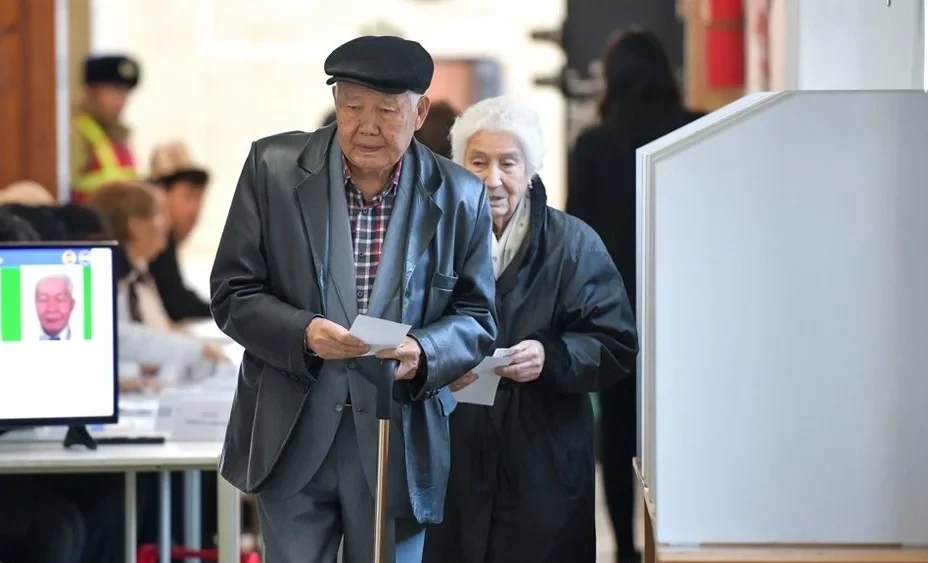
Voting day proceeded calmly and organized, without serious incidents. Polling stations opened on time, basic procedures were followed, and new technologies worked effectively. For the first time, biometric complexes were used for fingerprint verification and ballot printing. However, systemic violations were identified during the vote counting process. According to the OSCE/ODIHR, in a third of the observed polling stations, the counting procedure was violated. At 44 out of 118 polling stations, observers noted negative aspects of the counting. The most serious violation was that many commissions did not conduct the mandatory manual recount of ballots, relying solely on electronic data.At some polling stations, unauthorized individuals interfered with the work of the commissions, raising doubts about the objectivity of the results. Violations were recorded in other aspects as well: commissions did not always publicly count the number of voter signatures and did not reconcile them with the number of ballots issued. Observers expressed concern that the final protocols were often filled out based only on electronic data.
At the time of publishing the preliminary report of the OSCE/ODIHR, the final counting of results was still ongoing, and the official results had not yet been announced. The CEC reported receiving 67 appeals and complaints, of which 18 concerned suspicions of vote buying.
OSCE/ODIHR Recommendations for Improving Elections
The OSCE/ODIHR mission proposed a number of preliminary recommendations aimed at increasing the transparency and democratic nature of the electoral process. These recommendations include:- Improvement of Legislation. It is necessary to align the electoral legal framework with international standards and take into account previously given recommendations from experts.
- Guarantees of Fundamental Freedoms. Ensure respect for rights and freedoms, such as freedom of speech and assembly, and review laws that restrict media activities.
- Free and Balanced Media. Create conditions for the objective operation of the media during elections and ensure voters are informed about all candidates.
- Inclusivity for Women and Minorities. Increase the participation of women and national minorities in political life and consider the interests of ethnic communities when delineating constituencies.
- Transparency of Technologies and Counting. Improve voting and counting procedures to enhance trust in the results.
- Combating Violations and Abuses. Pay attention to investigating all reports of bribery and prevent the abuse of administrative resources.