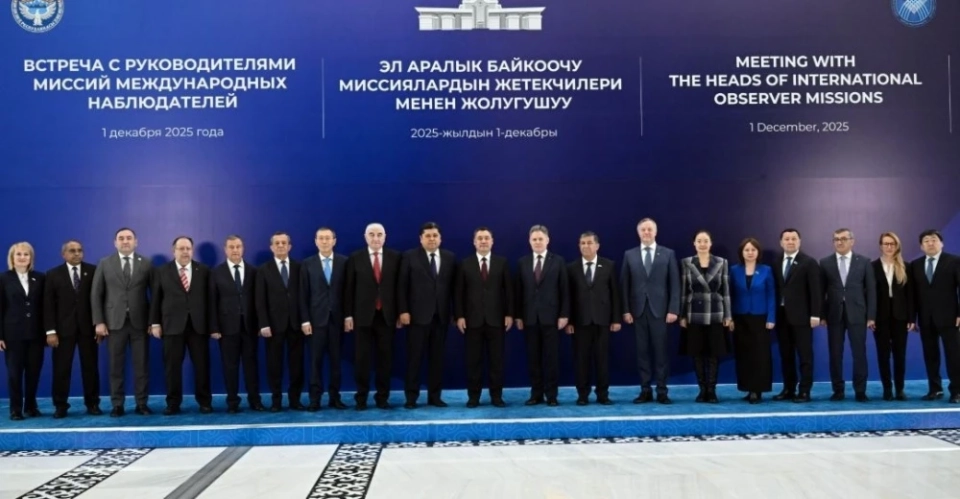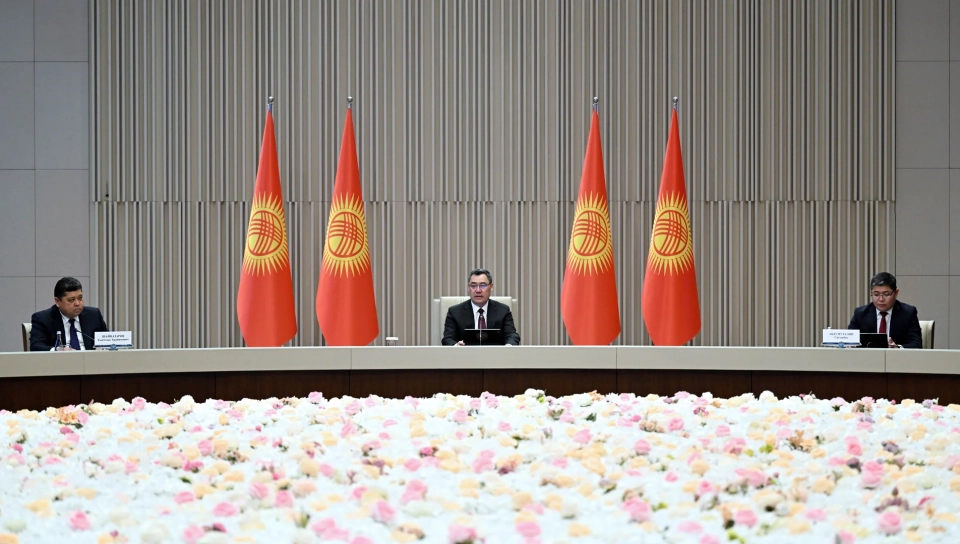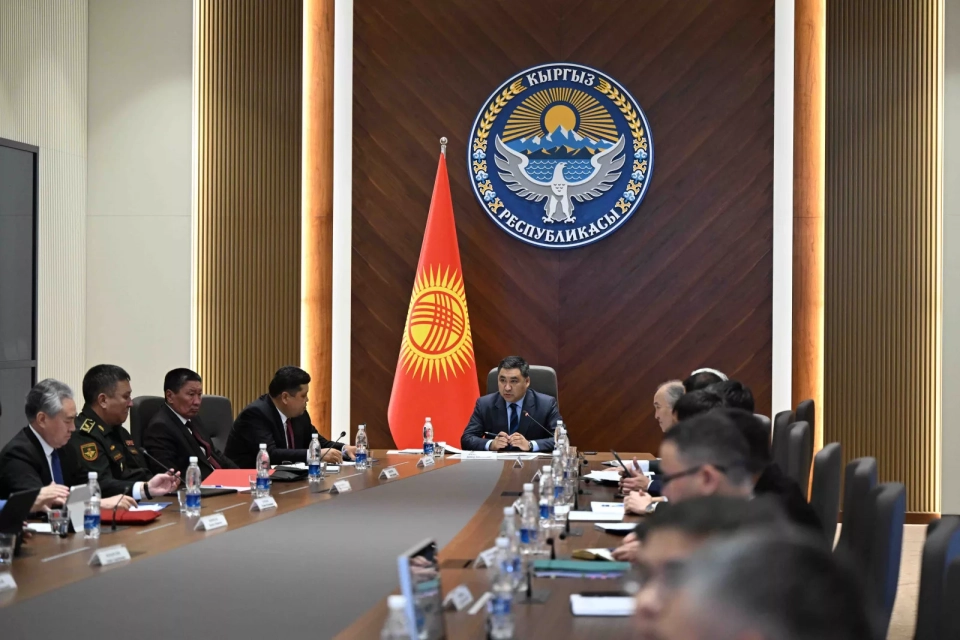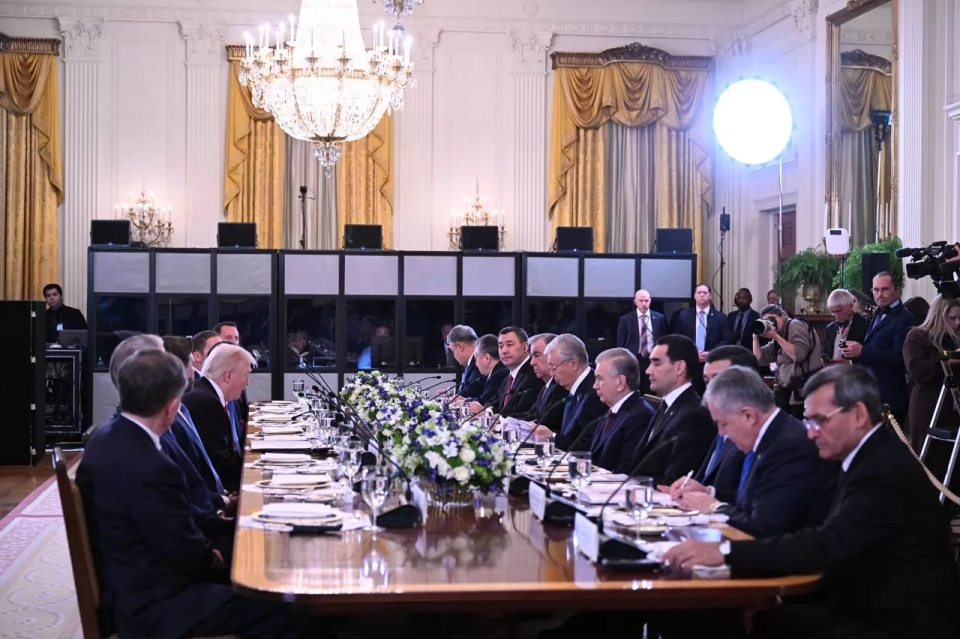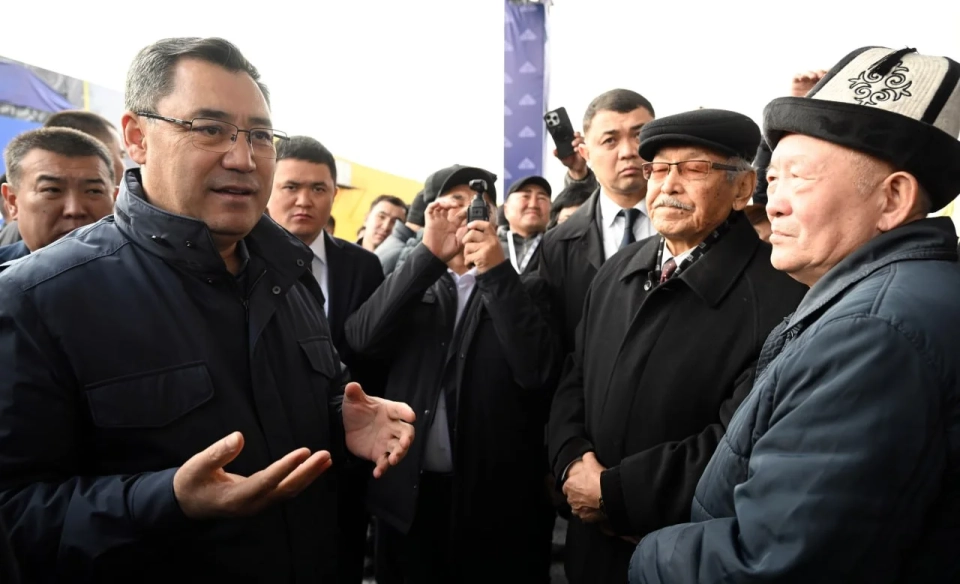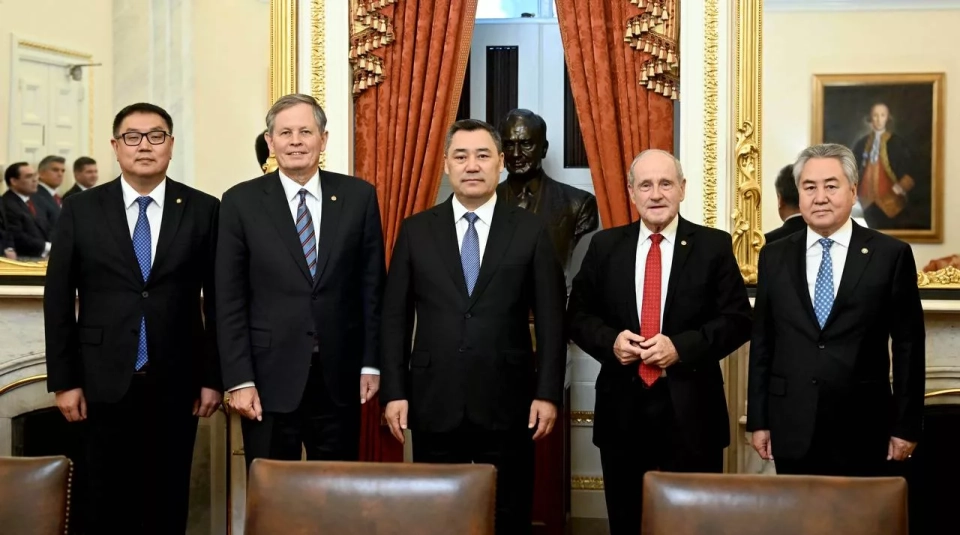
Sadyr Japarov expressed confidence that the objective assessments and recommendations of the observers will help identify shortcomings that may have gone unnoticed and will determine ways to further strengthen democratic institutions in the country.
The head of state also reminded that Kyrgyzstan has experienced three coups, the cause of which was opaque elections. He noted that Kyrgyz society is particularly sensitive to issues of voting integrity.
"Democracy implies not only the right to criticize and compete but also the obligation to strictly adhere to the rules and respect the will of the people," the president noted.The president highlighted significant improvements in electoral legislation and its application in recent years.
He added that the recommendations of international partners, including parliamentary assemblies and authoritative organizations, were taken into account in the preparation for the elections.
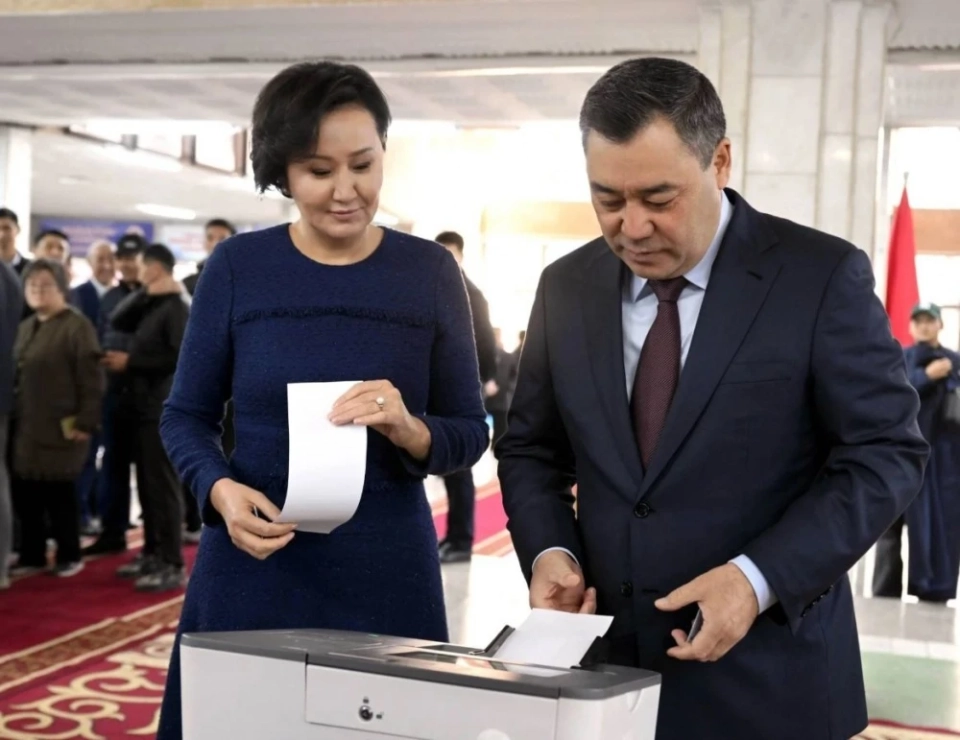
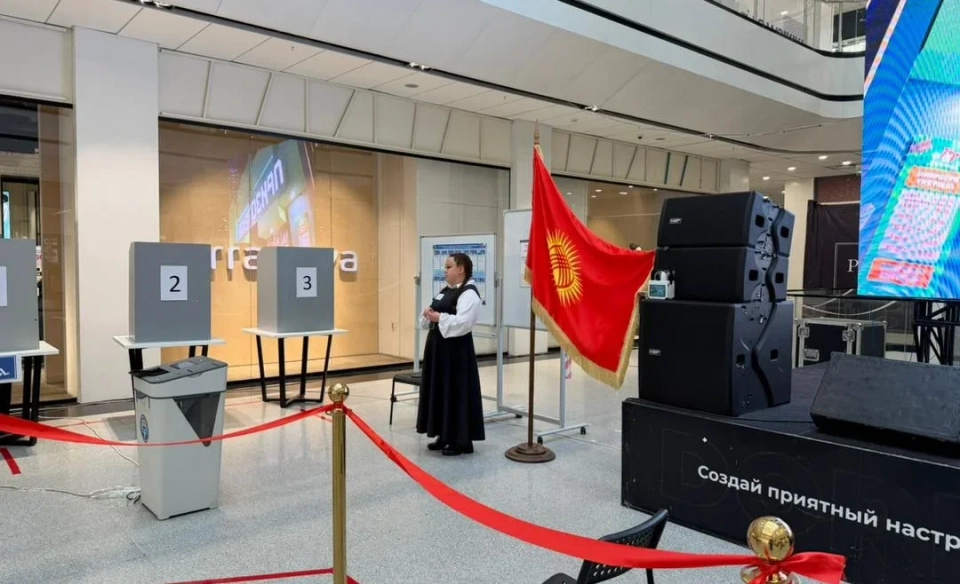
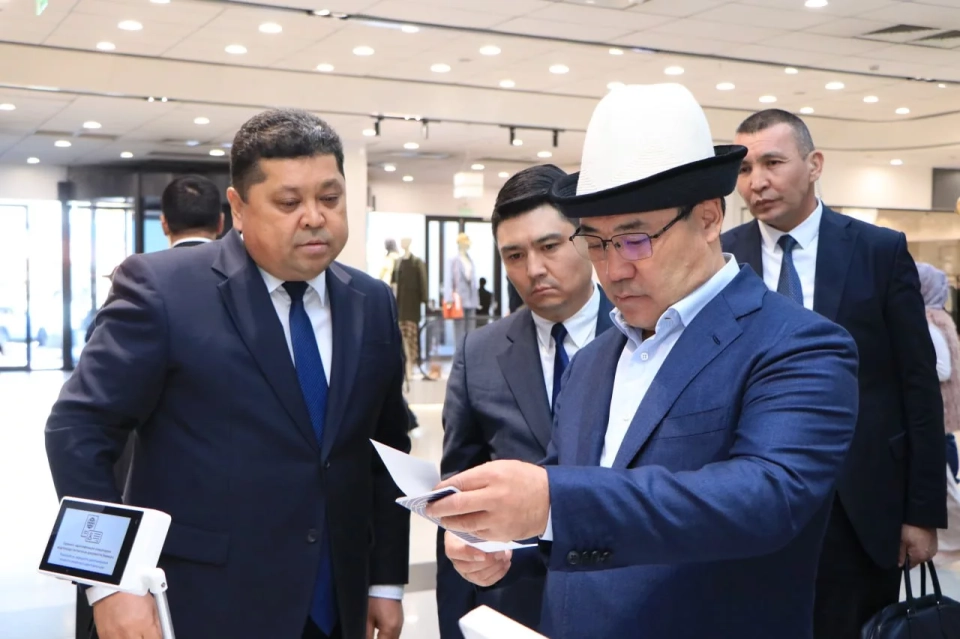
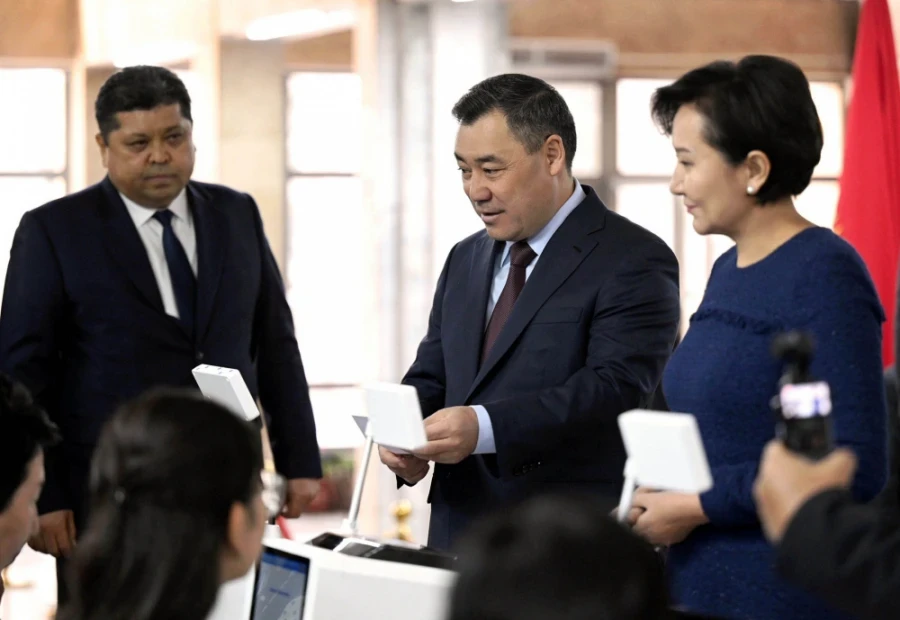
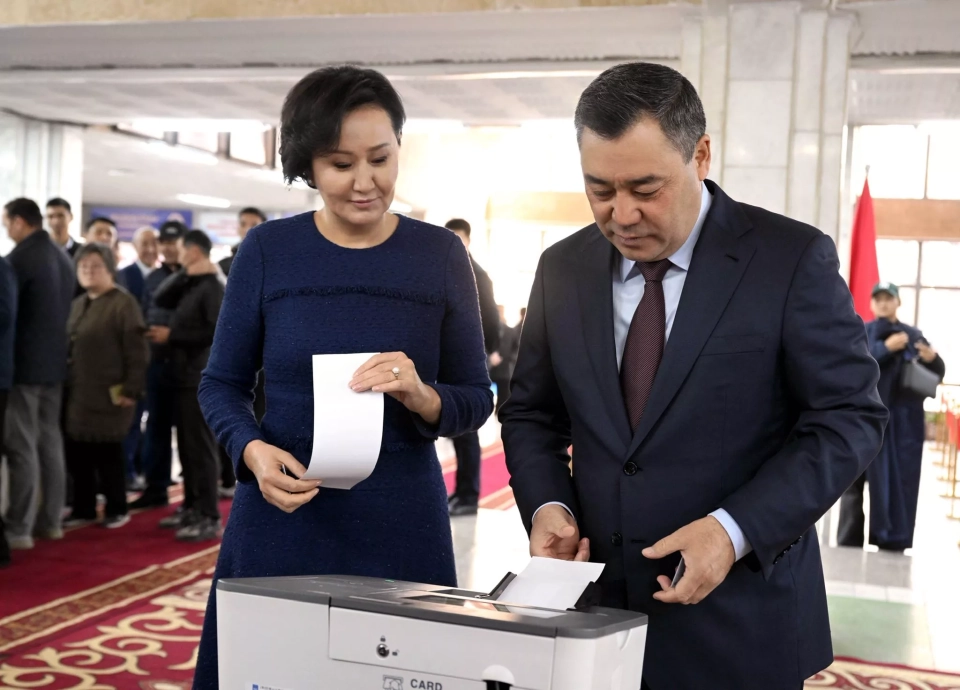
In this context, modern technologies were implemented, such as biometric identification of voters and an automated electronic vote counting system, as well as an online voter registry and a remote voting system.
Sadyr Japarov noted that every voter was given the opportunity to vote at a location convenient for them.
For example, a resident of the At-Bashinsky district could vote for a candidate from their constituency while being in Bishkek or even abroad.
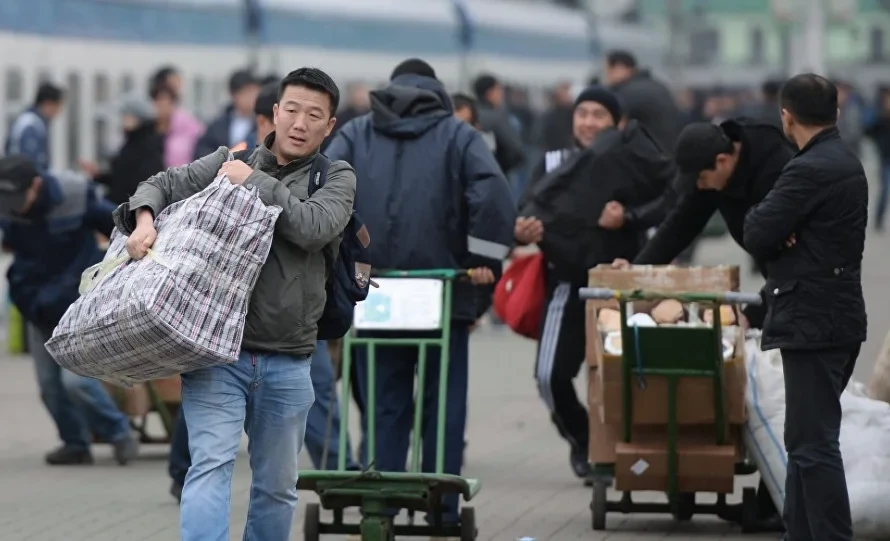
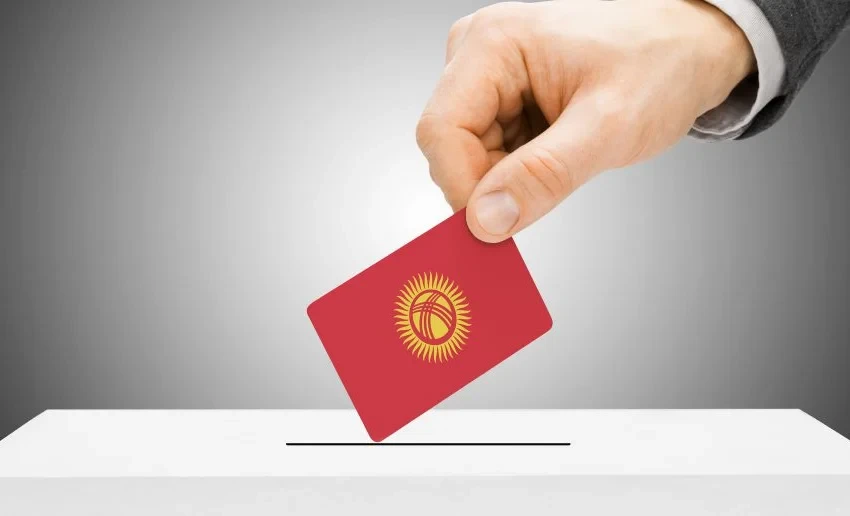
To ensure the rights of citizens outside the country, 100 polling stations were opened abroad, which is double the number in 2021 when there were 59. The president reported that the number of citizens who participated in voting outside Kyrgyzstan increased threefold, reaching 26,000 compared to 9,000 in 2021.
Additionally, he shared plans to develop an online voting system considering identification and security issues.
The president also noted that the elections were conducted exclusively under a majoritarian system.
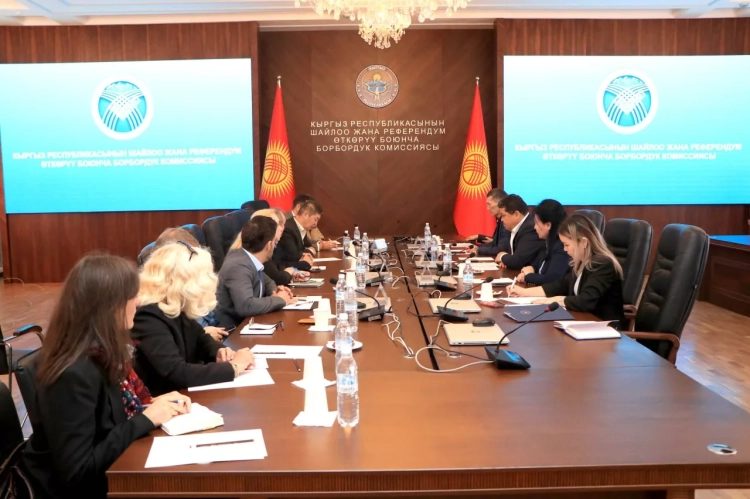
"The cancellation of party lists, which allowed mandates to be distributed behind closed doors, enabled a focus on the personal qualities of candidates," he added.The chairman of the Central Commission for Elections and Referendums of the Kyrgyz Republic, Tynchtyk Shainazarov, reported on the results of the observation missions, which confirmed that the electoral legislation of the country complies with international standards and ensures free elections.
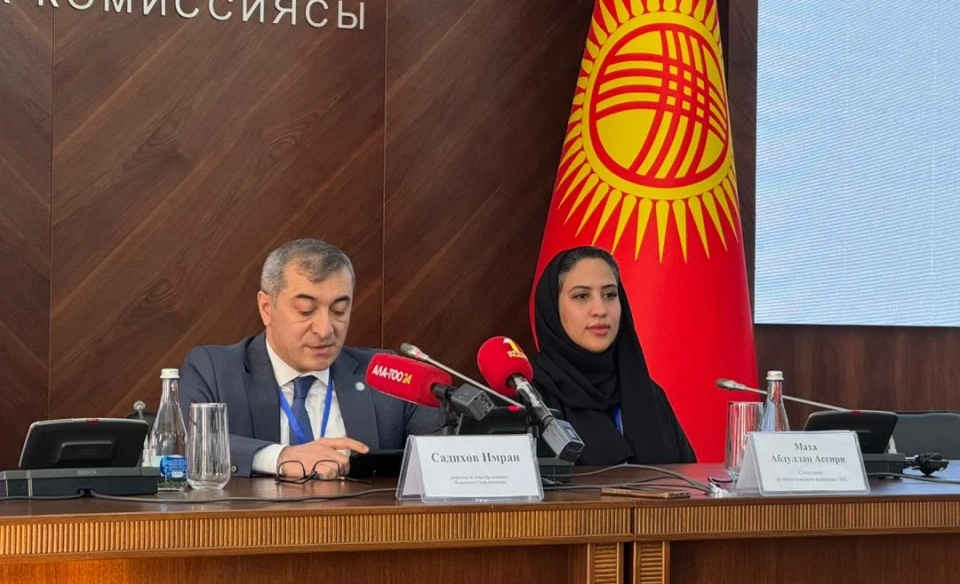
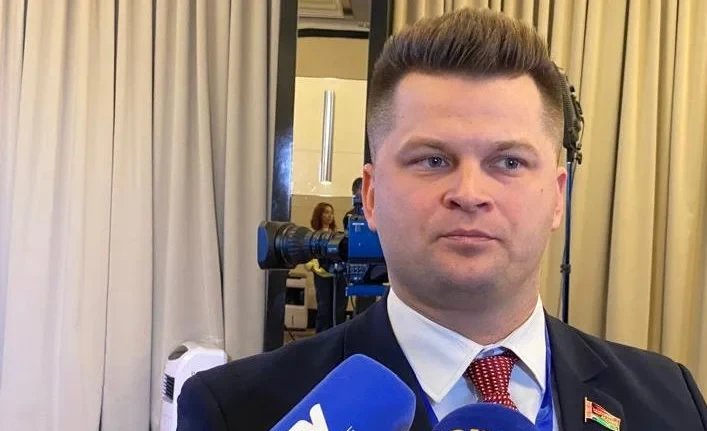
Observers noted that the elections were open, fair, and competitive, ensuring the free expression of citizens' will.
The introduction of measures to ensure gender equality in connection with the new changes in the majoritarian system, according to which no more than two out of three elected deputies can be of the same gender, was also positively assessed.
They emphasized the importance of the remote voting mechanism, which allows citizens to vote at the nearest polling station if they cannot do so at their place of permanent registration. The establishment of 100 polling stations in 34 countries and 89 cities significantly expanded the accessibility of the electoral process.
In conclusion, President Sadyr Japarov expressed gratitude for the positive assessment of the electoral process and assured that the recommendations of the observation missions would be taken into account in making further decisions. He noted that these elections would serve as a solid foundation for political stability, economic development, and improving the lives of citizens.