The purpose of this agreement is to create unified and transparent rules for electronic trade in the internal market of the Union. It will facilitate mutual electronic trade between the member states, ensuring the protection of the rights and legitimate interests of all parties, as well as defining the rules for interaction.
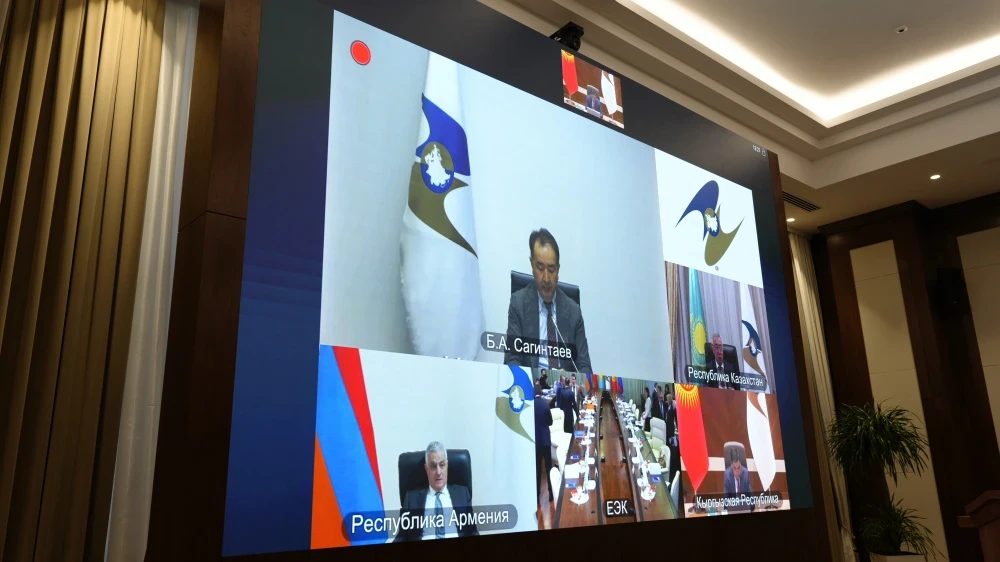
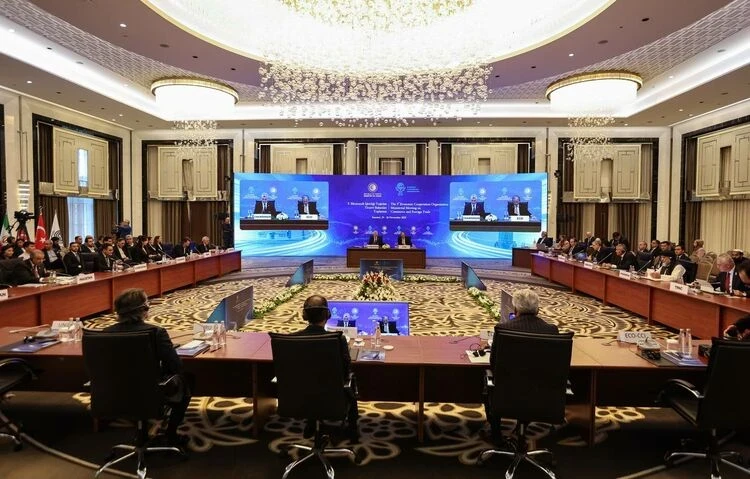
Photo from the KR Cabinet website.
Key points of the agreement:
- For electronic trade goods purchased by individuals, value limits have been established: import to the customs territory of the EAEU is possible without paying customs duties for goods valued up to 200 euros.
- The unified customs duty rates for electronic goods purchased by individuals are 5% of the value, but not less than 1 euro per 1 kg, with some exceptions.
- The EEC Council decided to label certain types of food products, perfumes, cosmetics, personal hygiene products, and household chemicals. Union members determine the timing and procedure for labeling goods themselves.
- At Kazakhstan's initiative, changes to anti-dumping measures concerning graphite electrodes imported from China were approved.
- Annual imports of graphite electrodes in established volumes to Kazakhstan, Armenia, and Belarus are also provided for.
- A cooperative project for the production of personal computer system units in Russia with the participation of companies from EAEU countries, with subsidized interest rates on loans, was approved. Kyrgyzstan is represented in this project by LLC "Kyrgyzelektronika," which supplies metal cases.
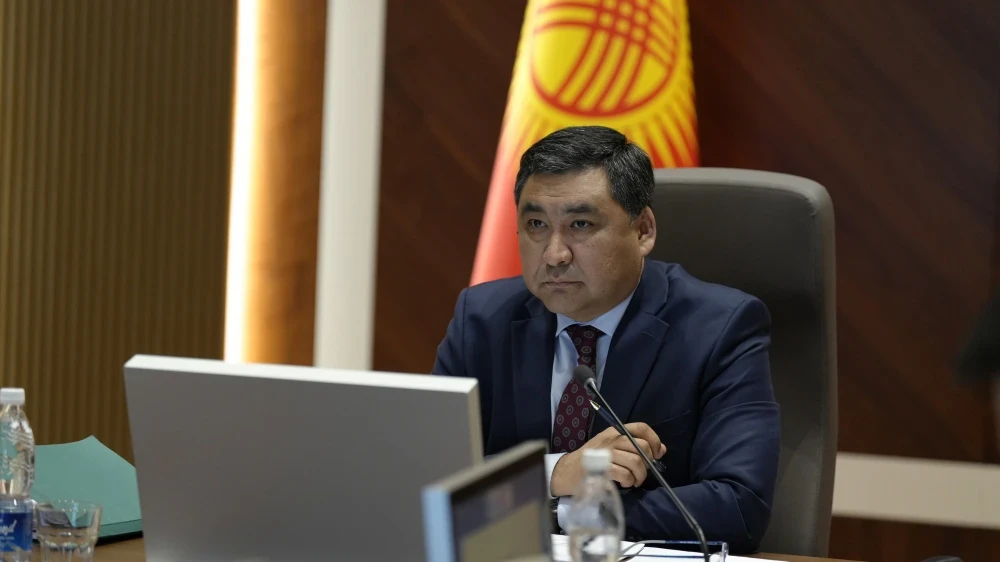
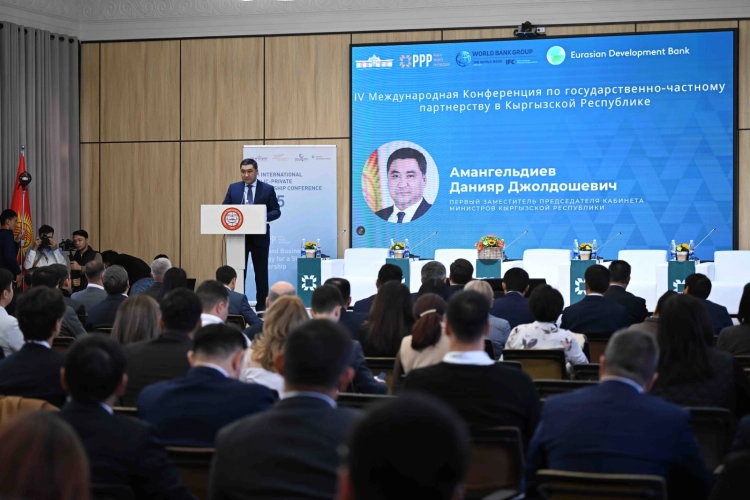
Photo from the KR Cabinet website.
Kyrgyzstan also proposed to exempt goods from import customs duties in 2026 for the conduct of international events, including the meeting of the Council of Heads of State of the Shanghai Cooperation Organization and the VI World Nomad Games. This issue is expected to be discussed and approved during the meeting of the Eurasian Intergovernmental Council scheduled for December 11, 2025, in Moscow.
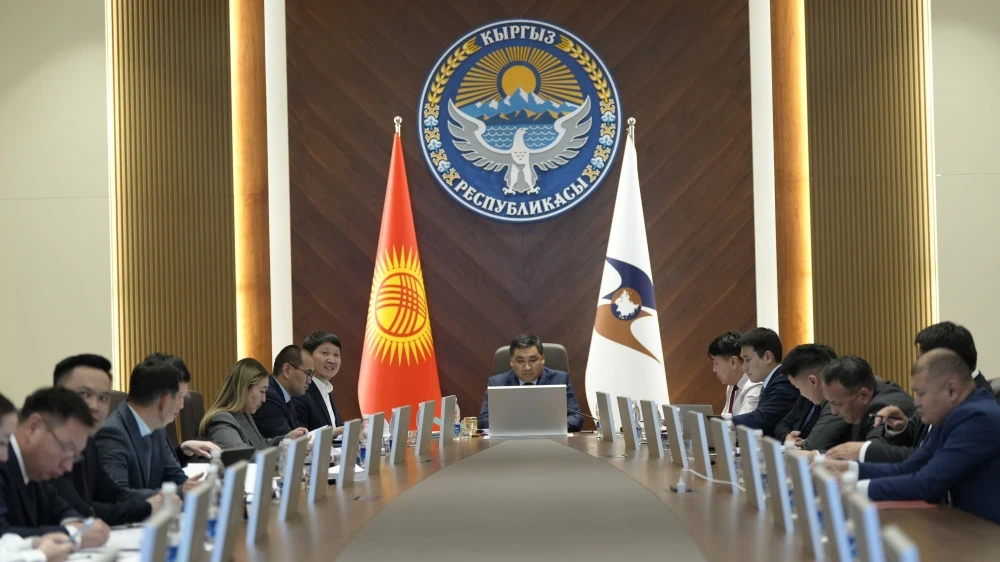
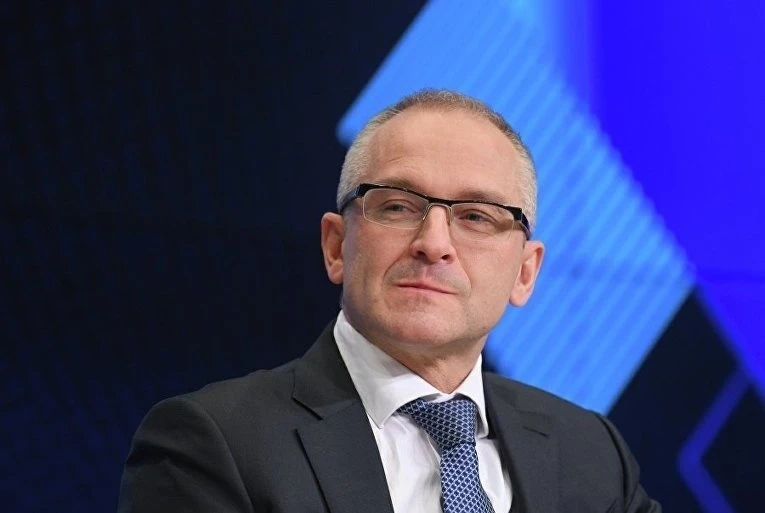
Photo from the KR Cabinet website.
In conclusion, the members of the EEC Council approved the agendas for the meetings of the Eurasian Intergovernmental Council and the Supreme Eurasian Economic Council, which are planned for December 2025.