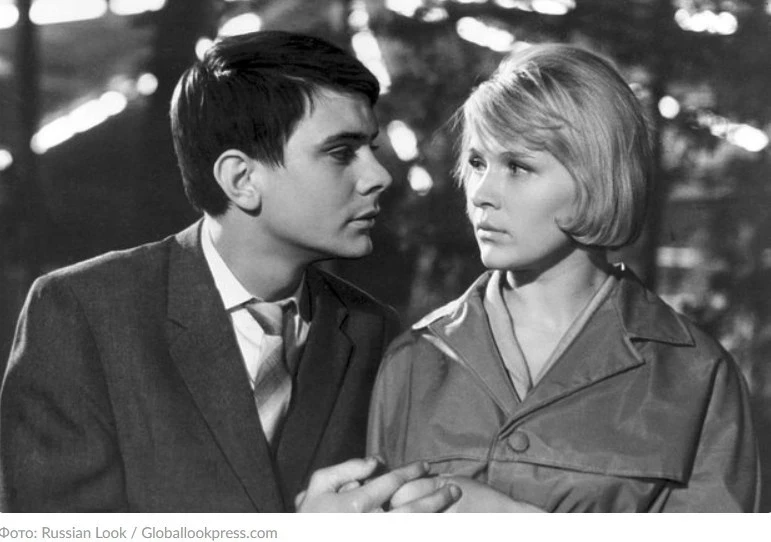
The film "Diary for My Children" is based on the personal experiences of Marta Meszaros herself, who used her childhood memories to write the script. It is a story about her coming of age in post-war Hungary and the complex relationships with those around her against the backdrop of political changes. The second part, "Diary for My Loved Ones," continues this story and covers the period from 1951 to 1956, when political conflicts were escalating.
These two films are not only artistic works but also important historical testimonies that allow viewers to gain a deeper understanding of the personal and social difficulties faced by Marta and her generation. The psychological drama of the main character and the heavy pages of history left a profound mark on the souls of the viewers.
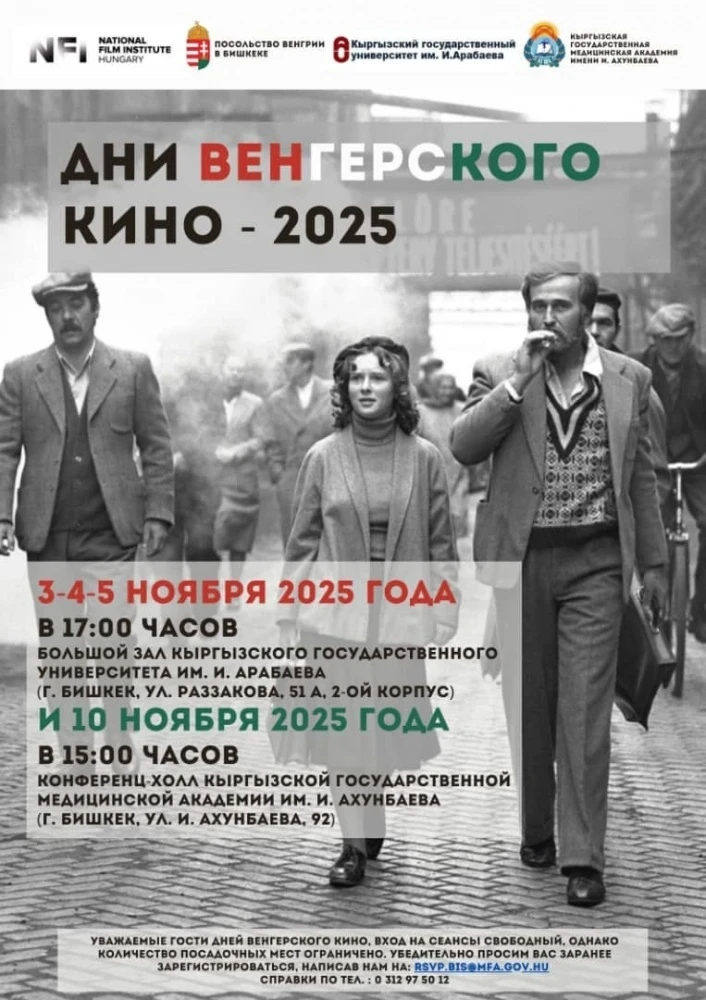
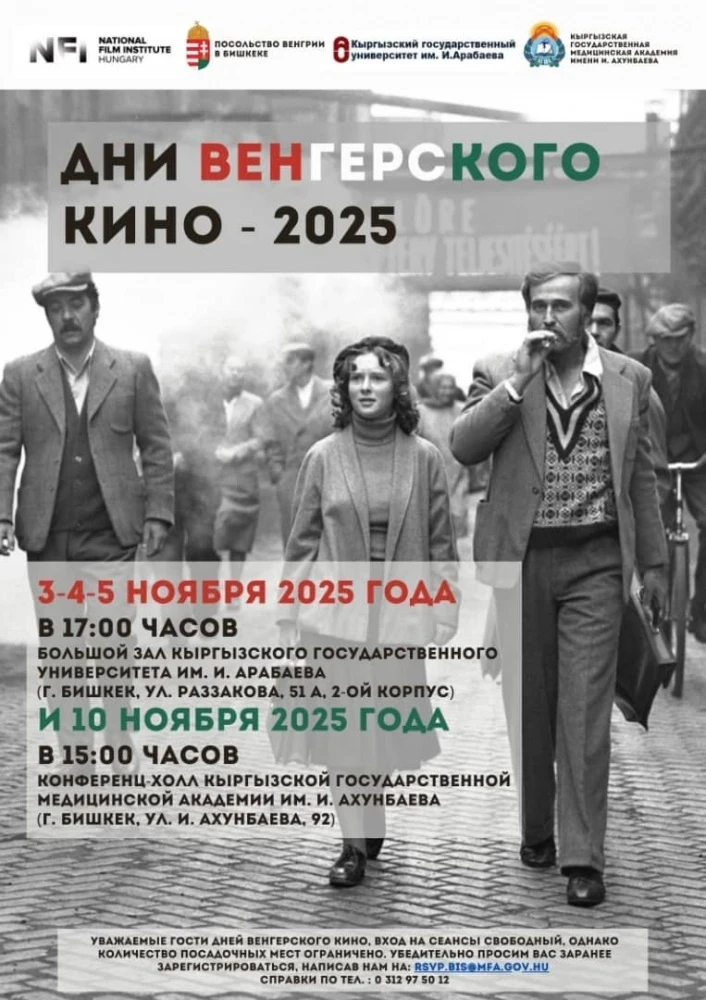
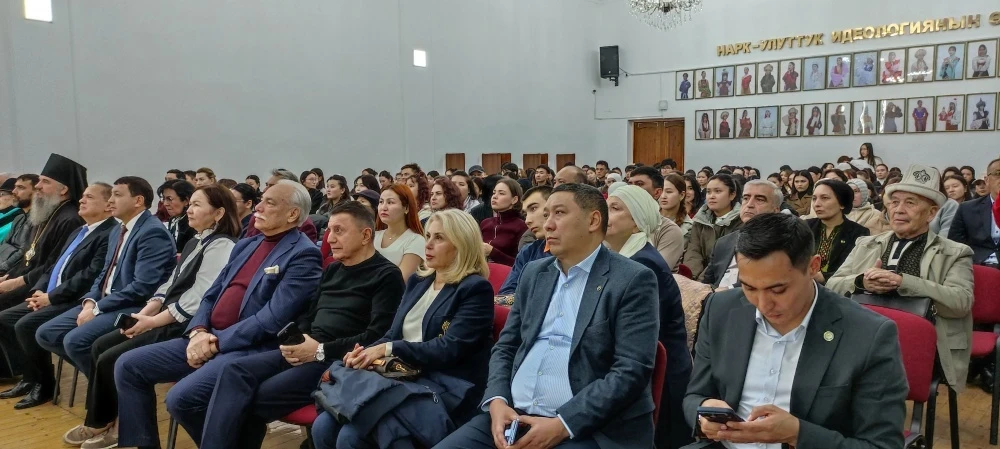
The Hungarian Film Days, organized by the Embassy of Hungary in Kyrgyzstan, took place at the Arabayev Kyrgyz State University and attracted the attention of young viewers, who were able to see the psychological drama of a heroine who did not waver from her moral principles in difficult times. The university was chosen not by chance, as Hungarian language classes began here this year.
The final highlight of the screening will be the film "Semmelweis," which will be shown on November 10 at 3:00 PM at KGMA. This film is particularly relevant for medical students.
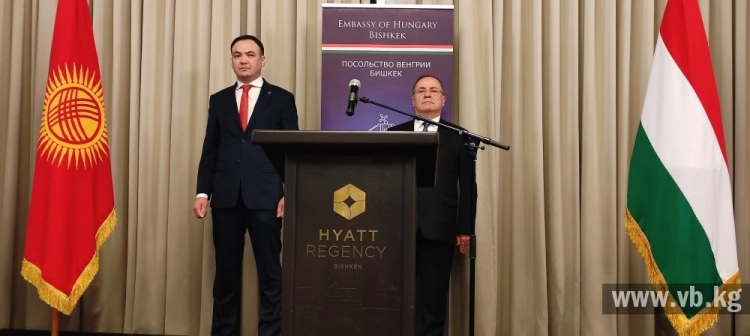
The Hungarian Film Days in this and last year were a great success, evoking positive emotions among Kyrgyz viewers. The Ambassador of Hungary to Kyrgyzstan, Sandor Dorogi, received numerous thanks for the magnificent films and kind words about Hungary.
Such events contribute to the development of cultural exchange and bring peoples closer together. As noted by the Minister of Culture, Information, and Youth Policy of Kyrgyzstan, Mirbek Mambetaliev, cinema is a universal language that strengthens friendship between countries and creates a foundation for future joint projects in art and education.
The ambassador added that for Marta Meszaros, Kyrgyzstan has become a significant place, and she often came here to seek inspiration for her documentary films. There are many points of contact between Hungary and Kyrgyzstan, including the Hungarian sculptor Laszlo Meszaros, Marta's father, who worked in Frunze in 1936.
Both representatives noted that new interesting events and meetings between the two countries are expected next year.
From the dossier of "Evening Bishkek"
Laszlo Meszaros, who left his native Hungary in 1935, was fleeing from persecution by the authorities. He moved to the USSR and was then invited to Kyrgyzstan in 1936 to create sculptures for a national exhibition. In the same year, he opened the first school of artistic modeling. His dream was to find "such a place where nature and people are still pure."
In Kyrgyzstan, he created many famous works, including sketches for the meeting hall of the House of Government and the design of the railway station. However, Laszlo's life was tragically cut short: in 1938 he was arrested and later executed on fabricated charges. Some of his works were destroyed, but several sculptures were preserved thanks to his students and are now kept at the G. Aitiev Kyrgyz National Museum of Fine Arts.