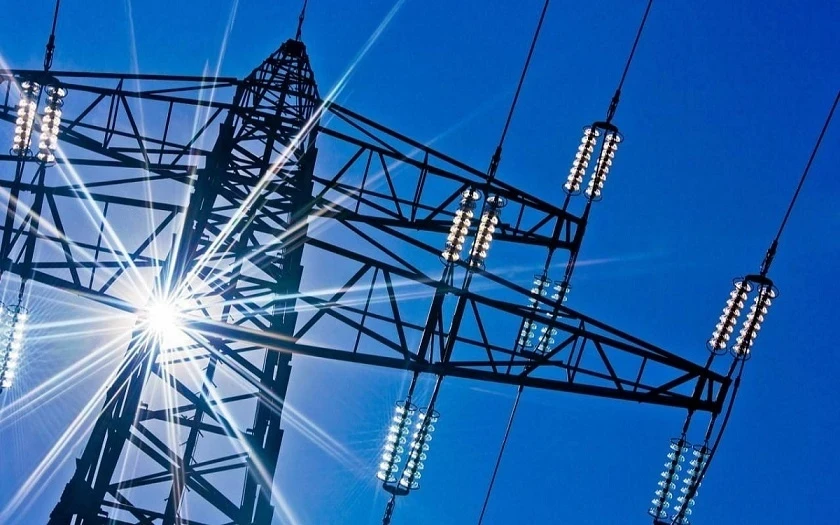
Uzbekistan sets an ambitious goal in the energy sector. At a recent meeting chaired by President Shavkat Mirziyoyev, plans were announced to achieve electricity production of 90 billion kilowatt-hours by 2026. This is a 40% increase over the results of 2020 and is linked to the rapid economic development of the country.
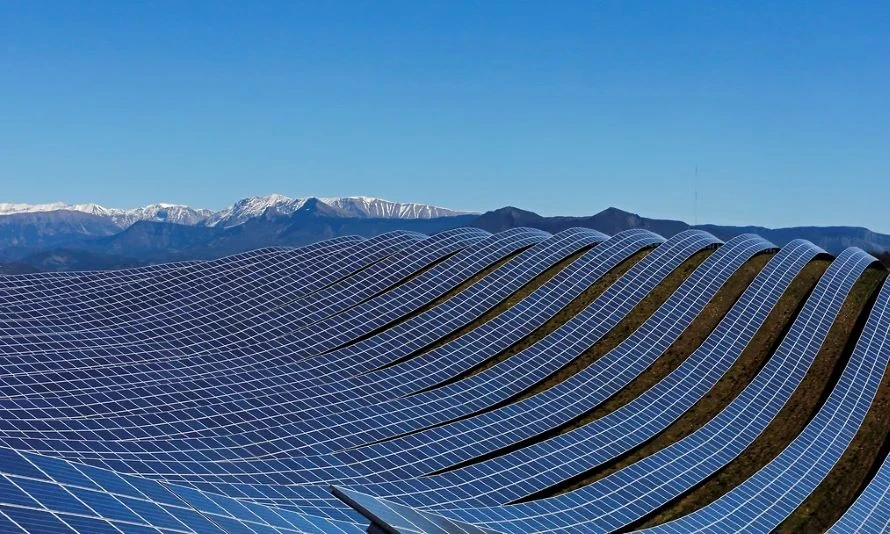
Currently, the generation capacity in Uzbekistan is 25.8 thousand megawatts, of which nearly one-third is produced from renewable sources—solar, wind, and hydro energy. Investments in the sector amount to $51.4 billion and include 133 projects. This year, Tashkent plans to launch an additional 6.7 thousand megawatts of new capacity, as well as continue developing modern power grids and energy storage systems.
The authorities of Uzbekistan are also focusing on improving electricity supply in the Fergana Valley by integrating their energy systems with neighboring countries. One of the tasks is resource conservation and the implementation of energy-efficient technologies at large enterprises, which could save about 4.4 billion kWh of electricity by 2026.
Comparison with Kyrgyzstan's Electricity Sector
The energy indicators of Kyrgyzstan significantly lag behind those of Uzbekistan. According to data from the National Statistical Committee and the Ministry of Energy of Kyrgyzstan:
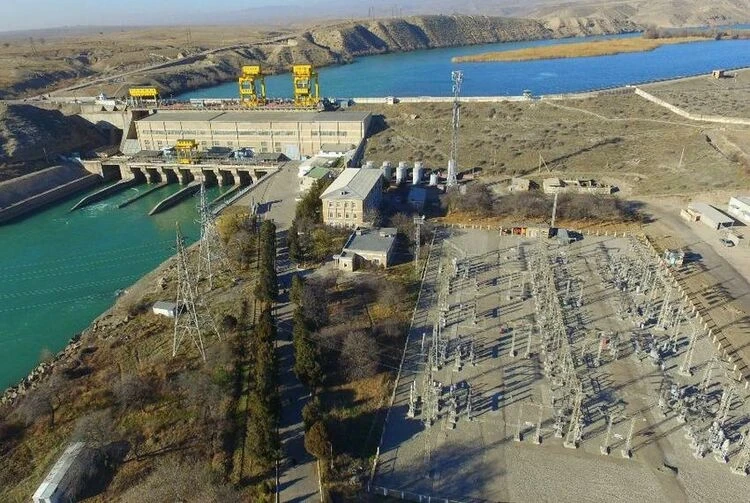
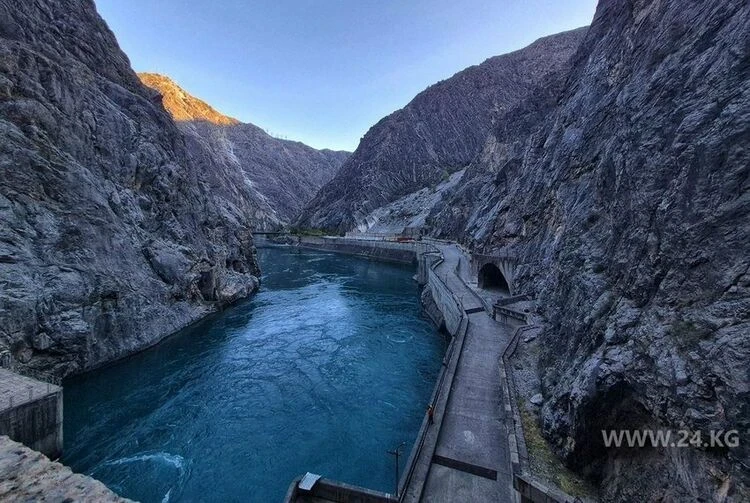
In 2024, the republic produced 14.7 billion kWh of electricity, of which approximately 88% was generated from hydropower plants.
By the end of 2025, production amounted to 15.38 billion kWh, indicating a growth of 4.5% compared to the previous year.
Despite this positive trend, Kyrgyzstan continues to be an energy-deficient region: domestic consumption exceeds 18 billion kWh, forcing the country to import electricity, including from Uzbekistan.