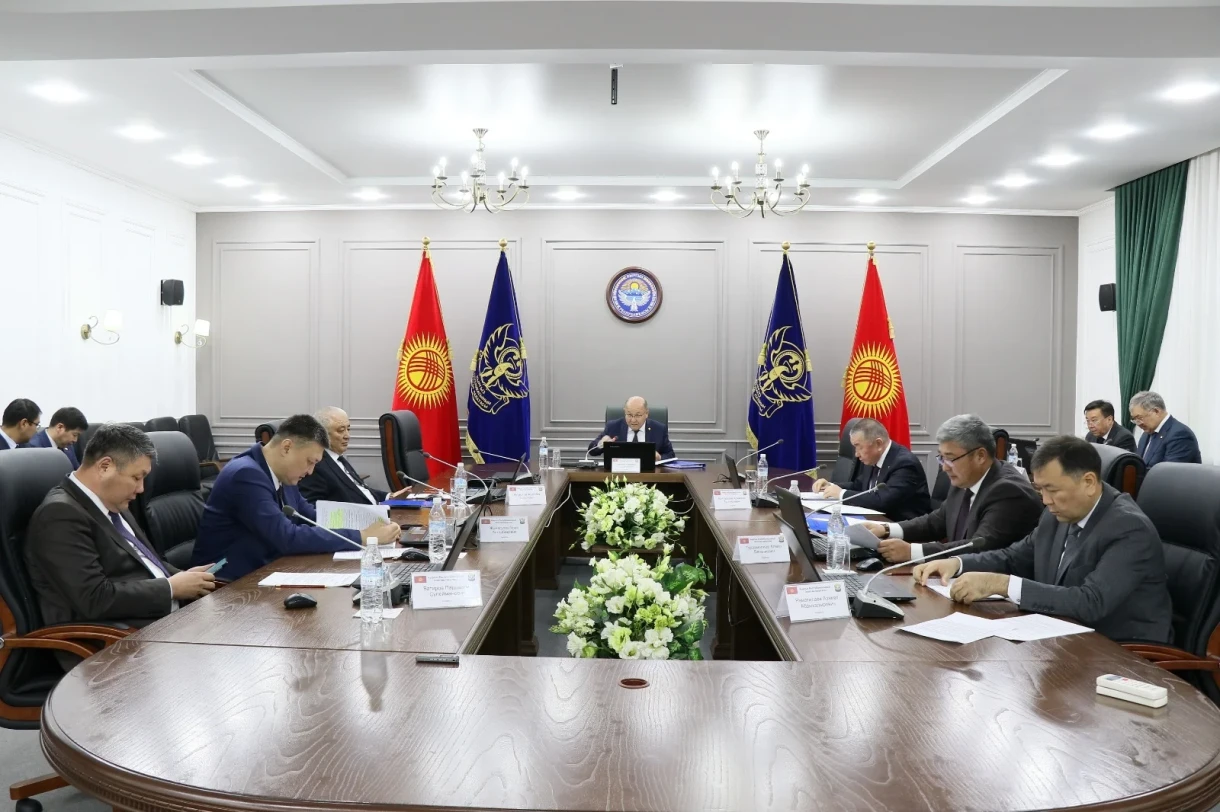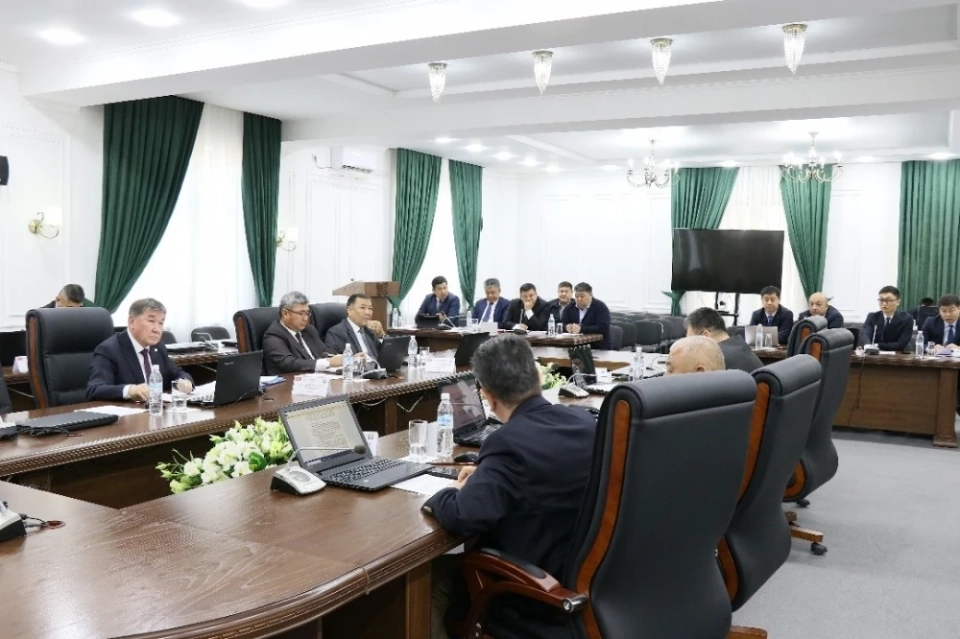
The Audit Chamber of Kyrgyzstan has completed an audit concerning the effectiveness of state subsidies allocated to support seed production farms from January 1, 2020, to September 30, 2025. This information was announced by representatives of the agency.
The results of the audit showed that the effectiveness of state support for seed production remains at a low level.
During the audit, serious problems were identified that negatively affect the implementation of the National Development Program of the country until 2026 and the measures of the Cabinet of Ministers to support seed production.
According to the Audit Chamber, the measures to stimulate the sector through subsidies to seed production farms and to provide farmers with certified seeds have not fully achieved their intended goals.
From January 1, 2022, to September 30, 2025, only 166.7 million soms were utilized, which is just 30.7% of the planned amount.
One of the reasons for such low utilization of funds is the insufficient awareness of agricultural producers about the available state support and weak efforts to clarify the information.
The auditors also noted instances of subsidies being allocated without prior approval in the budget and the necessary regulatory documentation, indicating violations of budget legislation.
From 2020 to 2025, 197.5 million soms were allocated to support seed production in the form of state subsidies.
However, the Ministry of Water Resources, Agriculture, and Processing Industry did not exercise proper control, monitoring, and evaluation of the effectiveness of the allocated funds. Necessary regulatory acts were also not developed.
The audit revealed a lack of a clear strategy, coordination mechanism, and distribution of responsibility among the participants in the implementation of the subsidy program. The regulatory framework remains insufficient, especially regarding the timelines for subsidy payments and the accountability of officials.
Moreover, no analysis was conducted on the impact of certified seeds on the yield of agricultural crops, nor was there a comparison with district average indicators.
According to the audit, from 2020 to 2025, 26,126.6 tons of seeds were claimed for subsidies, of which 16,628.2 tons were sold, accounting for 63.6% of the total volume.
Overall, seed production farms were able to provide farmers with seeds only 13.5% of the time, while the share of seeds sold under the state subsidy amounted to only 3%.
On average, 31 farms participated in the subsidy program for spring sowing and 25 for winter sowing.
Additionally, deficiencies were identified in the work of regional commissions, which did not carry out proper monitoring of the activities of seed production farms and did not provide timely recommendations to the authorized bodies.
As a result of the audit, the Audit Chamber emphasized the need to enhance the effectiveness of state support for seed production. It is important to develop a clear mechanism for implementing the subsidy program, strengthen monitoring and control, expand informational work with farmers, improve budget planning, and implement mechanisms for evaluating effectiveness.