In 2023, global Islamic finance assets reached $4.93 trillion, and according to forecasts, this figure is expected to grow to $7.53 trillion by 2028, with an average annual increase of 8.9%.
Malaysia has ranked first in the Global Islamic Economy Indicator (GIEI) for the eleventh consecutive year, demonstrating impressive results in halal products and Islamic finance. The top five also includes Saudi Arabia, Indonesia, the UAE, and Bahrain.
History of Standard Implementation in Kyrgyzstan
Kyrgyzstan is not staying away from global trends. The development of "halal" standards began more than 15 years ago when, in 2009, a sector for the development of the halal industry was created under the Ministry of Economy. Since 2012, the Halal Industry Development Center has been operational.During this time, the country has been actively engaged not only in the development of this sector but also in creating a regulatory framework and developing standards for various goods and services. In 2024, the Law "On the Halal Industry in the Kyrgyz Republic" was adopted, and in December of the same year, a resolution on the certification and labeling system for products in accordance with "halal" standards was approved.
Representatives of the Halal Industry Development Center noted that all necessary legal foundations for regulating this sector have been established in the republic, which will allow for order to be established in the near future.
Procedure for Obtaining and Verifying the "Halal" Certificate
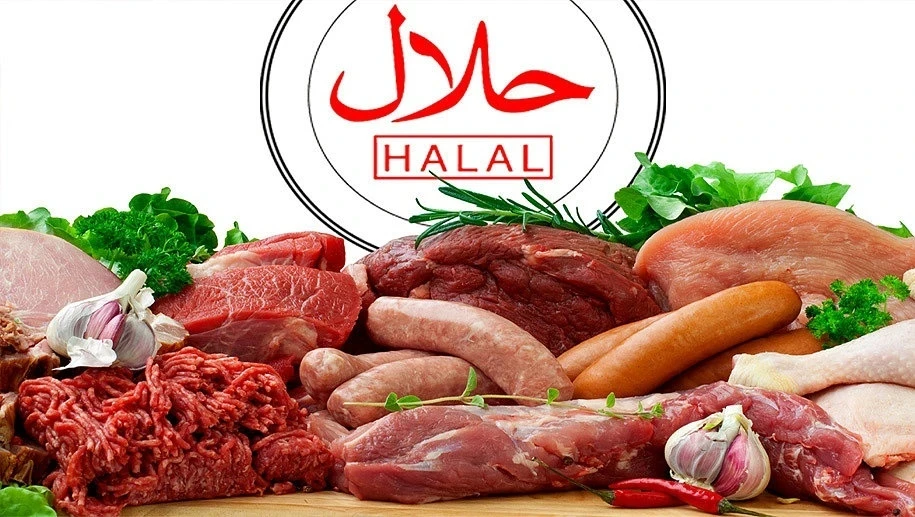
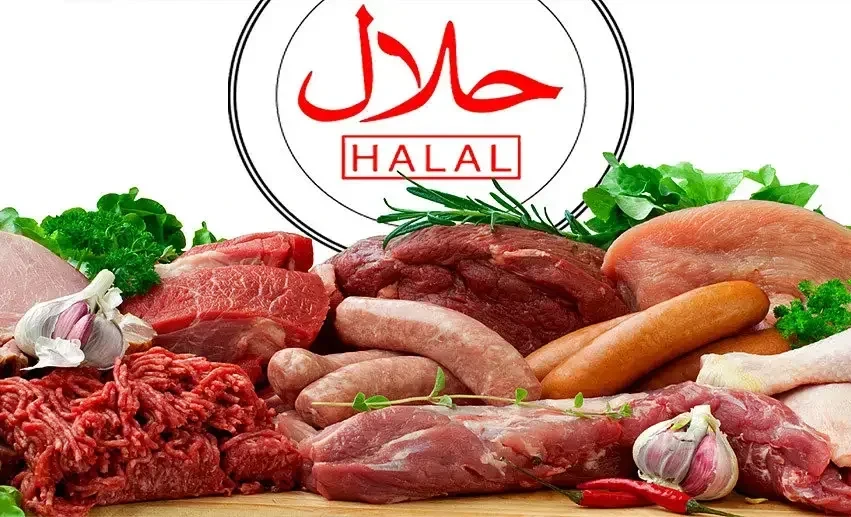
Today, the "halal" label is present on many goods and services; however, this does not always correspond to established standards. In Kyrgyzstan, there is an opportunity to verify the legitimacy of halal products.In the republic, there is only one accredited center authorized to conduct certification for compliance with halal standards – the Center for Standardization and Metrology. This center can verify the following groups of goods and services:
- meat and meat products;
- poultry, eggs, and processed products;
- fish and related products;
- grains and bakery products;
- sugar and confectionery;
- fruits and vegetables;
- oils and fats;
- services of tourism and trade companies;
- catering services.
For the convenience of entrepreneurs, a state portal in the halal industry has been created in Kyrgyzstan. Through it, one can apply for a certificate, and upon completion of all checks, the certification body issues a "halal" certificate valid for one year with the possibility of extension.
Each certificate has a unique QR code that contains information about the product or service, including:
- unique certificate number;
- manufacturer details;
- information about the certification body;
- product composition;
- issue date and validity period of the certificate;
- possible additional information.
For consumers, the presence of the "halal" label now allows for the verification of product legality. A QR code must be present, providing all necessary information. If such a code is absent, it may signal possible non-compliance with standards.
It is also worth noting that according to the law, only those goods and services that have undergone certification can be labeled with the "halal" sign. It is prohibited to use misleading inscriptions on labels, such as "Muslim," "halal," and similar terms.
Future Plans
In the coming months, Kyrgyzstan plans to strengthen control over who and how uses the "halal" sign. Work is underway on a draft law to amend the Code of the Kyrgyz Republic on Offenses, which will establish responsibility for violations in this area.The draft law proposes to introduce liability for the release of halal products and services without certificates and for violations of certification procedures.
Currently, 16 "halal" standards have already been adopted in Kyrgyzstan for various categories of goods and services. In the near future, there are also plans to adapt standards for cosmetic products and confectionery.
Moreover, Kyrgyzstan has become the first country in the EAEU to legally approve unified "halal" standards. The Kyrgyz Republic invites other member countries to use its experience to create unified standards.