What is planned?
It is proposed to approve the rules for cement labeling using a molecular marker, which will come into effect on June 1, 2026. This labeling will be mandatory for cement produced in Kyrgyzstan or imported into the country. At the same time, cement produced for export will not be subject to labeling.According to the Ministry of Economy, there are five main cement plants operating in Kyrgyzstan, which contributed 3.03 billion soms in taxes to the budget in 2025.
| 1 | OAO "Kant Cement Plant" | 1.2 | 1,082.39 |
| 2 | OsOO "Sinyzhi-Pirim" | 1.0 | 116.17 |
| 3 | ZAO "Southern Kyrgyz Cement" | 2.0 | 1,301.38 |
| 4 | OsOO "Southern Construction Materials Plant" (Aravan Cement Plant) | 1.2 | 446.54 |
| 5 | OsOO "Terek-Tash" | 3.0 | 92.51 |
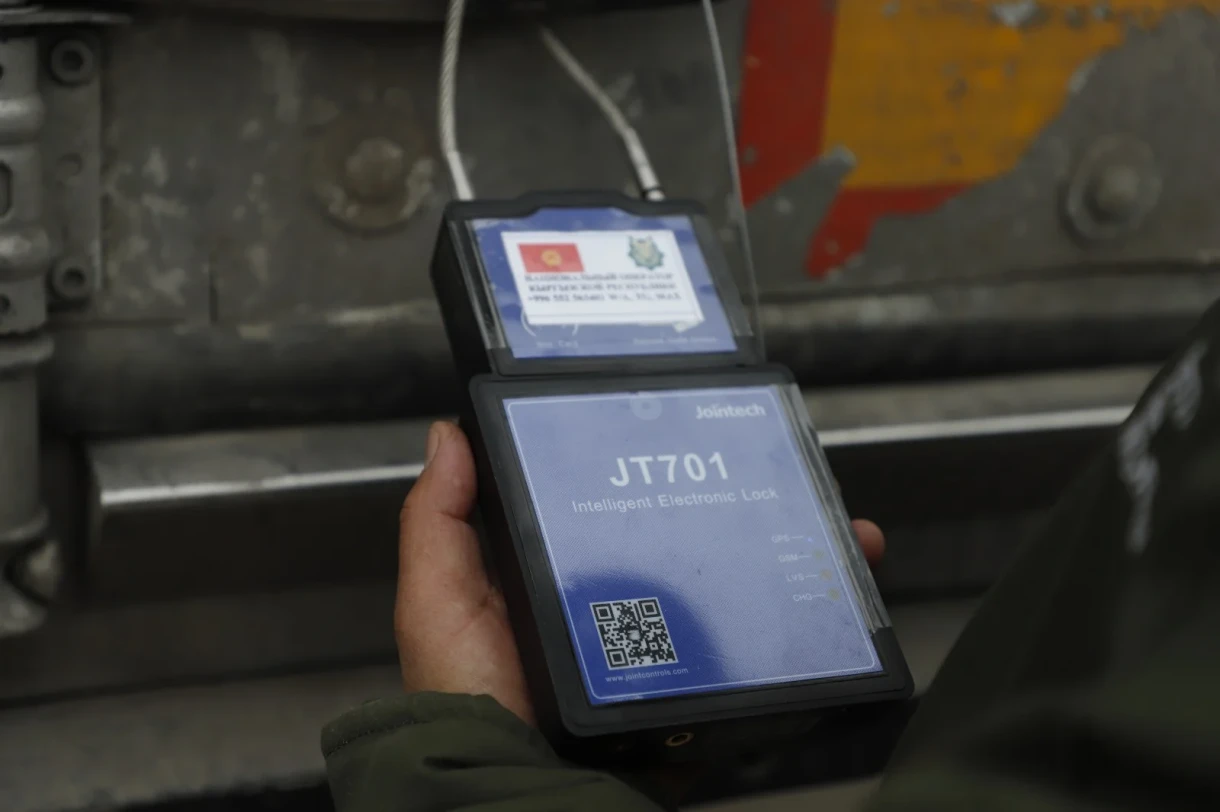
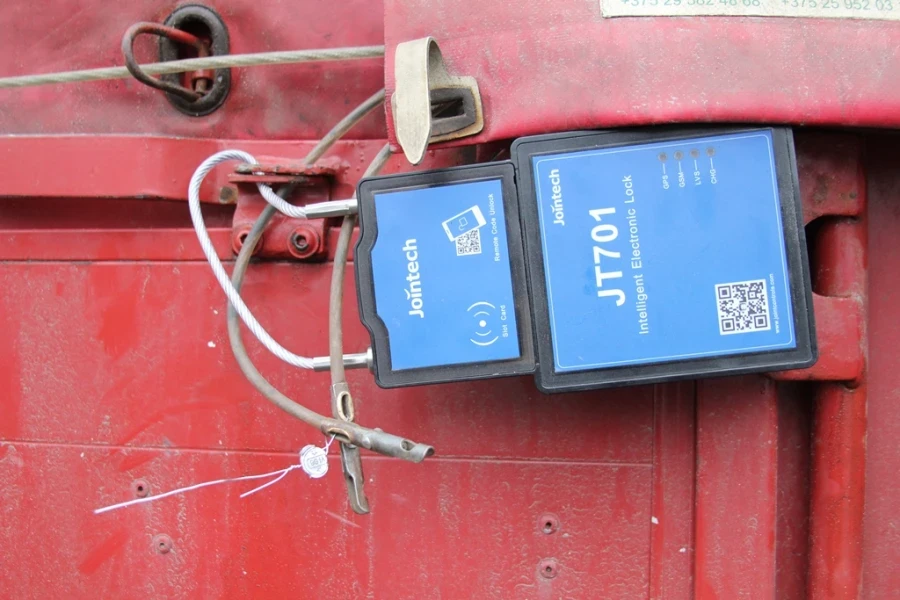
Tax authorities, in cooperation with the labeling operator, will have the authority to check all cements and mixtures produced, stored, moved, or sold in the country for the presence of the required labeling and molecular marker, including the right to open control seals.
Goals of the Initiative
As explained in the explanatory note, the difference in tax revenues from cement plants with comparable production capacities indicates potential risks of concealing actual production and sales volumes, leading to incomplete tax payments.The total capacity of domestic cement producers is about 8.4 million tons per year. However, according to statistics, the actual volume of cement produced in 2024 was 3.12 million tons, and in 2025 it was 4.25 million tons.
The average wholesale price of cement at Kyrgyzstan's plants is approximately 6,500 soms per ton, while the average cost of imported cement from Kazakhstan is 4,700 soms per ton.
The price difference is about 1,800 soms per ton, which may indicate an undervaluation of imported cement.Thus, the introduction of a cement labeling system with molecular markers seems reasonable for improving control over production, sales, and imports, increasing transparency in circulation, and strengthening tax administration, which will ensure full accounting of products in the market.
Preliminary forecasts suggest that this measure could double the volume of the legal cement market within three years and increase tax revenues from producers by 3 billion soms annually.
Moreover, cement labeling will help legalize related industries, such as concrete plants and construction companies, leading to an increase in total tax revenues from these enterprises to 8 billion soms per year.
Previously, from October 1, 2024, mandatory labeling of gasoline and diesel fuel, both domestic and imported, using molecular markers was introduced in Kyrgyzstan, with the circulation of unlabeled fuel being prohibited from January 1, 2025.