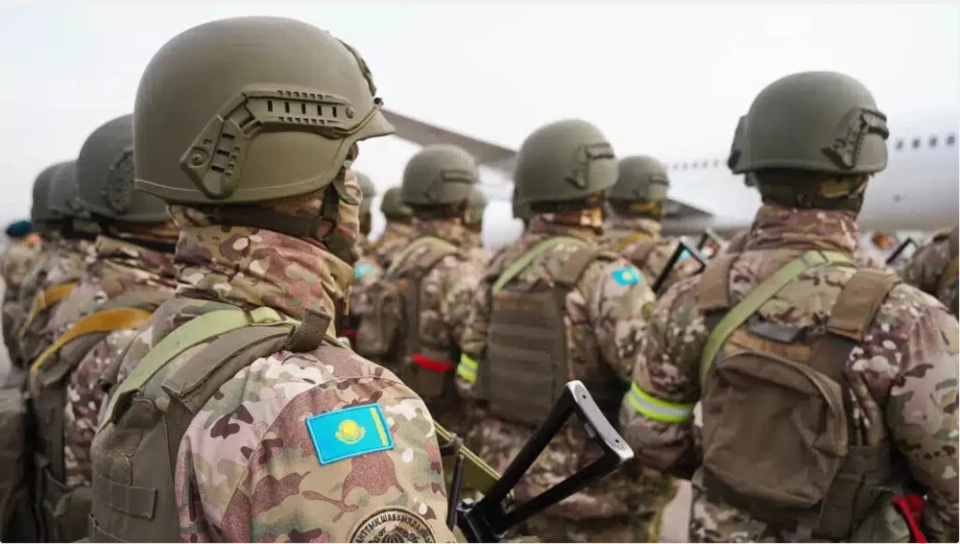
The United Kingdom is preparing to launch a program that will allow school and college graduates to experience military service in the Army, Navy, and Air Force for a year, without long-term commitments.
The initiative will be available to young people up to 25 years old, with applications opening in the spring of 2026.
In the first phase, 150 candidates are expected to be accepted, but authorities hope to eventually increase the number of spots to 1,000 per year.
Participants in the gap year program will not be assigned to combat missions, and the content of the courses is still being developed.
This program will be part of strategic efforts to address recruitment and retention issues in the armed forces.
Training will be available in both the Army and the Navy and Air Force.
According to media reports, the Army program includes 13 weeks of basic training as part of a two-year contract, while the Navy service will last one year. The course for the Air Force is currently less detailed.
Participants will receive monetary compensation, although the amount has not yet been disclosed.
Additionally, the Army is offering 30 spots for those wishing to undergo officer training, which can begin before, during, or immediately after university studies. This program already exists, but last academic year, fewer than ten people signed up for it.
The UK Ministry of Defence is confident that the leadership, teamwork, and problem-solving skills participants gain will be useful to them in the future, regardless of whether they continue a career in the military.
Authorities hope that the program will attract a more diverse audience and that some participants will choose to remain in military service.
Defence Minister John Healey noted that this initiative will provide young people with "unique skills and training." "Now, as families come together, young people are thinking about the future, and I want outstanding opportunities offered by our armed forces to be discussed in homes across the country," the minister added.
In the summer, while presenting the new defense strategy, Healey spoke about how the UK must respond to modern threats with a "new era" in defense.
According to him, the new program will be part of a new approach to defense and deterrence that includes community engagement and preventing potential confrontation with Russia.
The initiative, aimed at young people taking a break from studies between finishing school and entering university, is expected to help address persistent recruitment and retention issues in the UK armed forces.
There is a similar program in Australia, operating for over ten years, which offers young people aged 17-24 the opportunity to "experience military life and gain unique experiences." In 2023, 664 people participated, and just over half of them later signed contracts for permanent service.
The British government is exploring various ways to attract people to the army and intends to increase the number of cadets by 30%.
Opposition Conservatives have already criticized the gap year idea, pointing to the low number of participants.
Shadow Defence Minister James Cartlidge noted that while the Australian program has its merits, "such a small number of participants does not improve our readiness for war."
"As is often the case with Labour, the reality does not match their grand statements. A program for 150 people can hardly be considered a pilot project, let alone a 'national' approach they talk about," he added.
Cartlidge also reminded that the Conservatives proposed reallocating up to £50 billion from climate and scientific funds for defense needs, emphasizing their seriousness on national security issues.
Lord Richard Dannatt, who led the British Army from 2006 to 2009, stated in an interview with BBC Radio 4 that the gap year program will have "limited impact" in the context of threats from Russia.
Nevertheless, he believes that the program "will still help improve recruitment a bit" and "give some people who might choose a different life path the chance to get acquainted with the military, discipline, and problem-solving skills."
Source: nur.kz