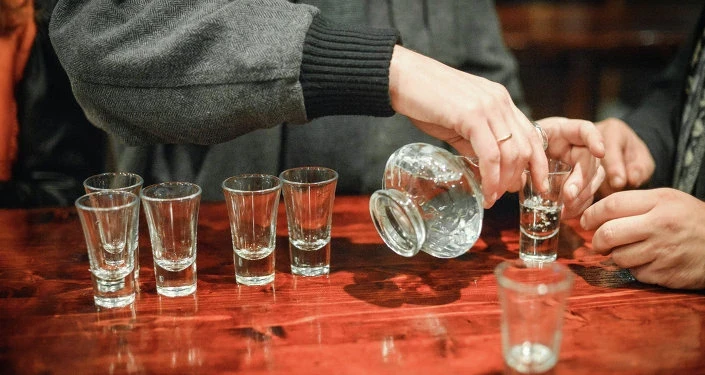
As the authors of the study on the World Population Review website found, in Central Asia, due to the predominance of Islamic traditions, the population shows less interest in alcohol. Thus, in Kazakhstan, the consumption level is only 5.4 liters, in Kyrgyzstan — 3.9 liters, and in Uzbekistan — just 2.1 liters.
The lowest alcohol consumption levels among post-Soviet countries are recorded in Tajikistan (0.7 liters) and Turkmenistan (0.3 liters), as noted in the report.
In July 2025, President Serdar Berdymukhammedov approved a National Program for the Prevention of the Harmful Effects of Alcohol for the next three years. The document emphasizes that this initiative is aimed at improving citizens' health, enhancing the quality of life, and increasing the life expectancy of the population.
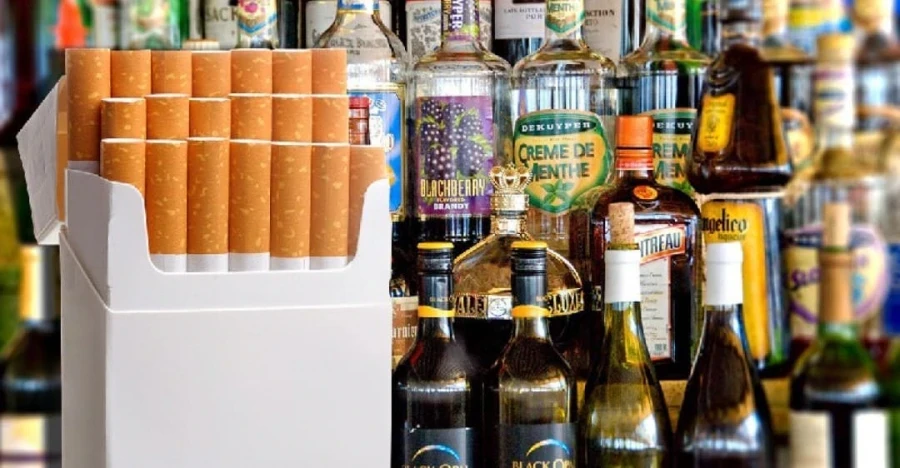
However, some observers note that the preparation for the new program coincided with statements made by the trade representative of Russia in Turkmenistan, Andrey Kripunov. During his speech at the Trade Representatives Week in Kazan last year, he discussed the strict smoking restrictions in the country, which even extend to residential premises, and touched on the topic of alcohol availability, stating that:
“Despite the status of a Muslim country, alcohol is sold here in volumes that I have not even noticed in Moscow stores.”
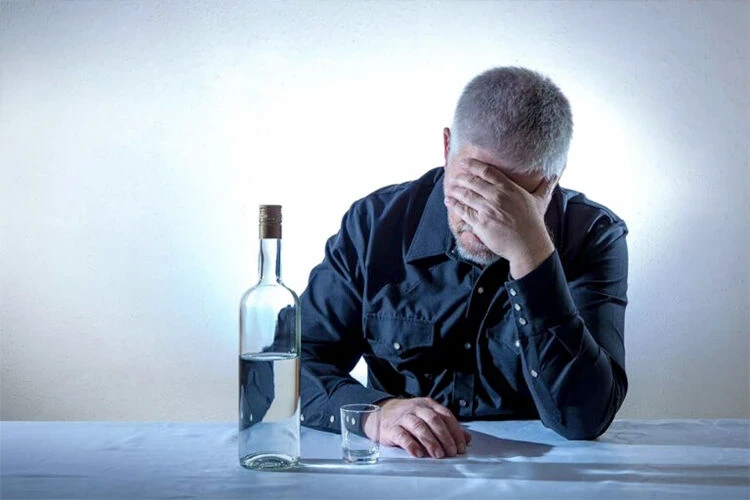
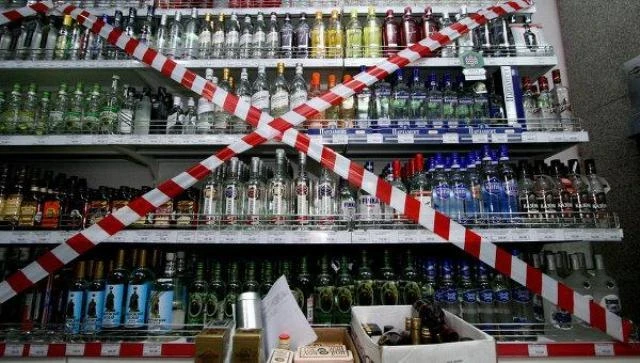
In Turkmenistan, there have been repeated attempts to limit the sale of alcoholic products. However, each time alcohol becomes scarce, there is an increase in counterfeit production and cases of poisoning from low-quality alcoholic beverages.