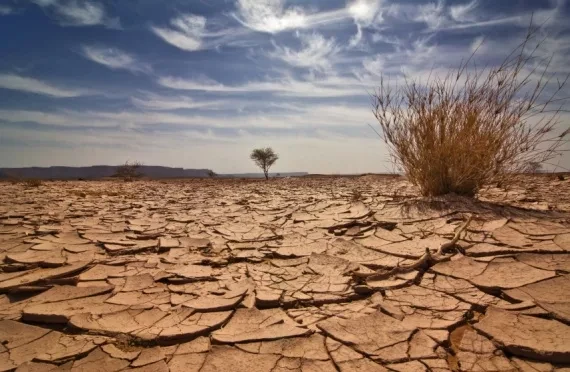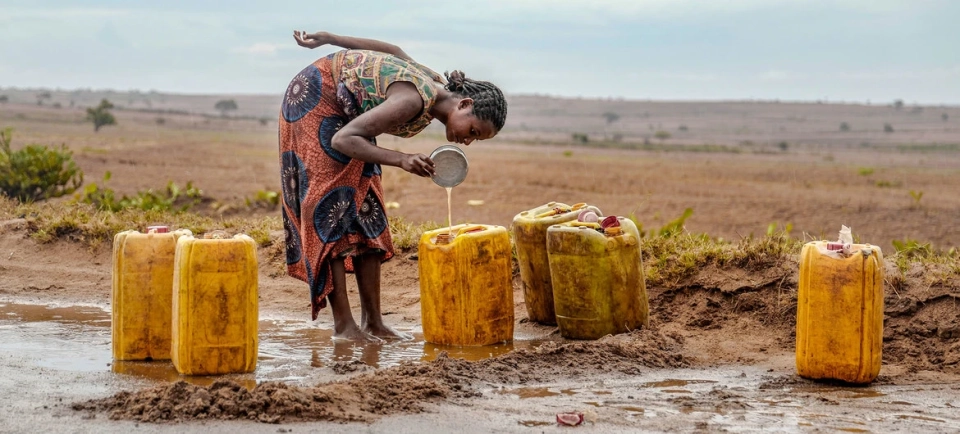
At the end of January this year, the UN University presented a study that outlined a new reality — the "era of global water bankruptcy." The report emphasizes the need to adapt to current conditions related to chronic depletion of groundwater, excessive use of water resources, land degradation, deforestation, and environmental pollution.
The authors of the study note that the terms "water stress" and "water crisis" no longer adequately reflect reality. Kaveh Madani, head of the Institute for Water, Environment and Health at the UN University, emphasizes that "many regions are exceeding their hydrological capacities."
In Kyrgyzstan, the consequences of climate change, along with other factors, are affecting the hydrological regime of rivers, highlighting the need to revise water policy. Research from the World Resources Institute shows that Kyrgyzstan is in a zone of high water stress and is approaching a critical level compared to other regions.
Before discussing the update of the water agenda, it is important to highlight several key facts:
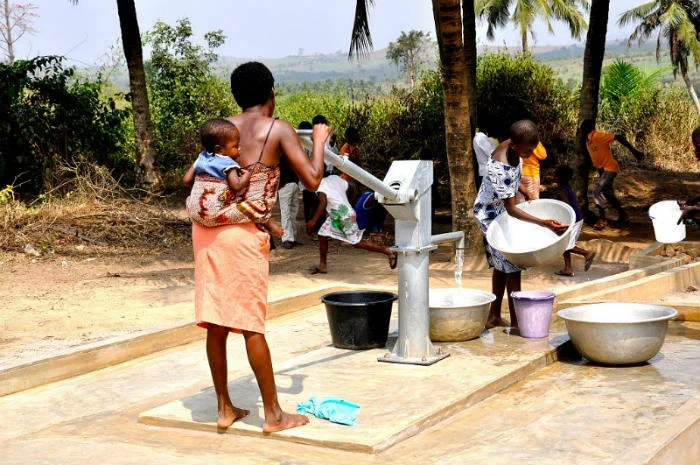
- According to estimates from international organizations, 40% of the world's population currently suffers from water scarcity, and by 2050, freshwater consumption is expected to increase by 40%;
- By 2050, 75 million people will live in conditions of acute water scarcity, primarily due to population growth and increased water consumption;
- According to World Bank data, over 37 million people (49% of the population) in Central Asia live in areas with acute water scarcity;
- In the countries of the region, an annual decline in economic growth rates of 6% is expected due to water scarcity, with the World Bank emphasizing the importance of water for economic development;
- The Kyrgyz Republic has significant water resources, with an annual volume of about 50 billion cubic meters, fully formed within its territory;
- However, Kyrgyzstan uses only 25% of these resources, while 75% are directed to neighboring countries, making it a key player in the region's water policy.
Despite the fact that water division norms were established back in Soviet times and were based on the assumption of climate stability, Kyrgyzstan continues to adhere to previous agreements in the field of water resources. Understanding the importance of water for the economies of downstream states, the country has maintained established water withdrawal limits for over 30 years, providing services for water accumulation and distribution, as well as maintaining the quality of water resources and the safety of hydraulic structures.
However, the conditions under which Kyrgyzstan received energy resources from downstream countries in exchange for water no longer exist. In light of the growing problem of water scarcity, the Kyrgyz side is interested in returning to a mutually beneficial compensation mechanism in the water-energy sector. Water diplomacy will help find a balance between national interests and regional interests. In 2025, work will begin on developing the principles of this mechanism within the framework of an international project, which will take into account the energy and economic value of water.
For effective management of water resources, Kyrgyzstan needs to modernize its infrastructure and strengthen international cooperation based on trust. Given the growing gap between water supplies and needs, the issues of rational resource use are becoming relevant both in Kyrgyzstan and in the region as a whole.
In 2023, the President of Kyrgyzstan, Sadyr Japarov, initiated the establishment of a Regional Center for the Implementation of Energy-Efficient and Resource-Saving Technologies in Bishkek. This initiative will enhance the efficiency of water and energy resource use and reduce the negative impact on the environment.
Support from neighbors and international partners will help overcome the looming water crisis. This is quite achievable given the high level of strategic cooperation between Kyrgyzstan and neighboring states.
Water resource management issues are becoming a priority. An important step has been the establishment of the National Council on Water and Land Resources under the President of Kyrgyzstan and a specialized ministry. A new Water Code is being implemented, and the National Water Strategy until 2040 is being continued, which includes the creation of sustainable water resource management mechanisms.
Considering that water diplomacy involves international legal instruments and cooperation, it is important that the activities of regional organizations align with the interests of all countries, both upstream and downstream. In the absence of adherence to this principle, it is necessary to reform the work of such organizations and revise outdated documents.
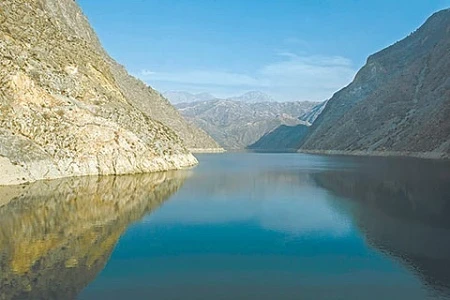
Climate change negatively affects water resources, agriculture, and ecology. For example, Lake Issyk-Kul is also subject to the influence of climate change, which is manifested in a decrease in water levels. Kyrgyzstan draws the attention of the international community to the need to preserve this unique lake.
At the national level, it is necessary to implement projects for the protection of aquatic ecosystems and counteracting the shallowing of the lake. Regional projects should include the introduction of water-saving technologies and a review of agricultural crops, which will help avoid both shortages and surpluses of food products.
Joint efforts of Central Asian countries can ensure increased water security and sustainable economic development through investments in adaptation projects and water supply systems. Examples of successful bilateral cooperation, such as the Chu-Talas Water Management Commission with Kazakhstan and the Joint Water Management Commission with Uzbekistan, confirm the possibility of effective interaction.
In conclusion, it is important to emphasize that water and its use can become a unifying factor for the states of the region on the path to sustainable development and the well-being of future generations.
Kumushay Suyumbaeva
Head of the Water and Environmental Diplomacy Sector of the Department of Foreign Policy Analysis and Planning of the Ministry of Foreign Affairs of the Kyrgyz Republic