According to the man, he bought a house in this village a few years ago and has been gradually renovating and cleaning it. “While I was sorting through the metal scrap, I found a knife among the rusty pieces of metal. It had a wooden handle, and there was an inscription in Arabic along the blade. The handle was almost rotten and fell off immediately. We translated the text — it says ‘Shahr Khan,’” he shared.
Maxim Podgorny, a local historian from Kara-Balta, believes that this knife has significant historical value. “According to the inscription and the condition of the blade, the knife is at least 150 years old; it was likely made by Uzbek craftsmen in the late or mid-19th century,” he said.
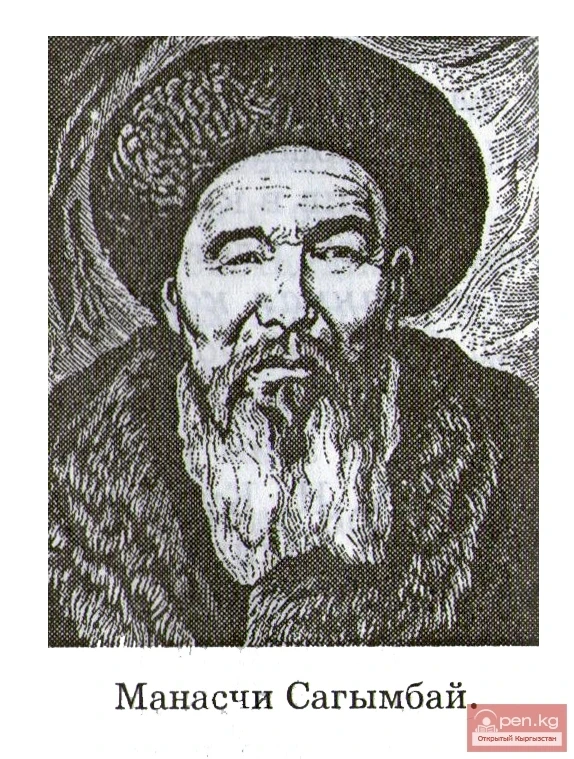
The name “Shahr Khan” refers to the historical figure Shahrokh Bi (1680-1721), who was the first ruler of the Kokand Khanate from the Uzbek Ming dynasty. He possessed outstanding organizational skills, military talent, and physical strength. Shahrokh Bi was able to expand his power over Kokand, Isfara, Chust, and Namangan. His life was cut short in 1721 due to conflicts between various emir factions, and after his death, power passed to his eldest son. Knives of this shape were produced in large quantities by blacksmiths in Chust and Namangan. Craftsmen often named their products after famous military leaders, believing that the name would transfer strength and luck to the knife's owner.
In the 20th century, it was not customary to engrave Arabic inscriptions on knives made by artisans in the Soviet Central Asian republics. Instead, a stamp “Chust,” related to geography, was used, the local historian added.