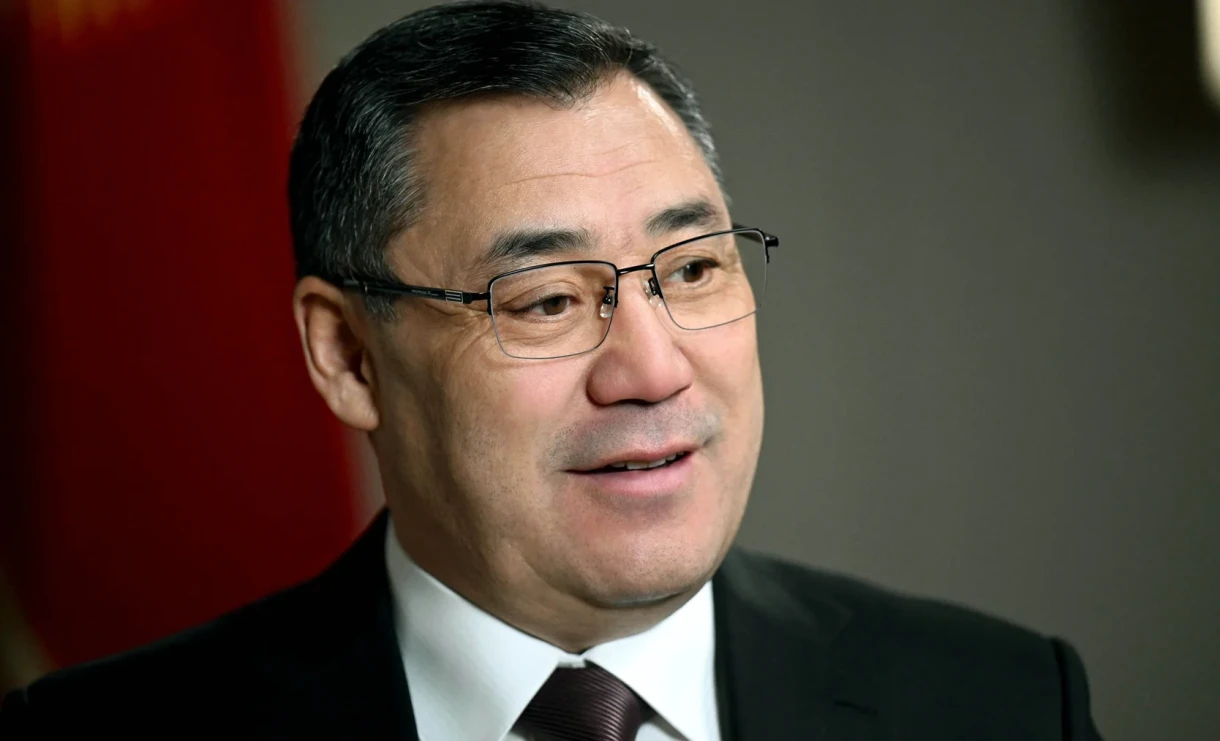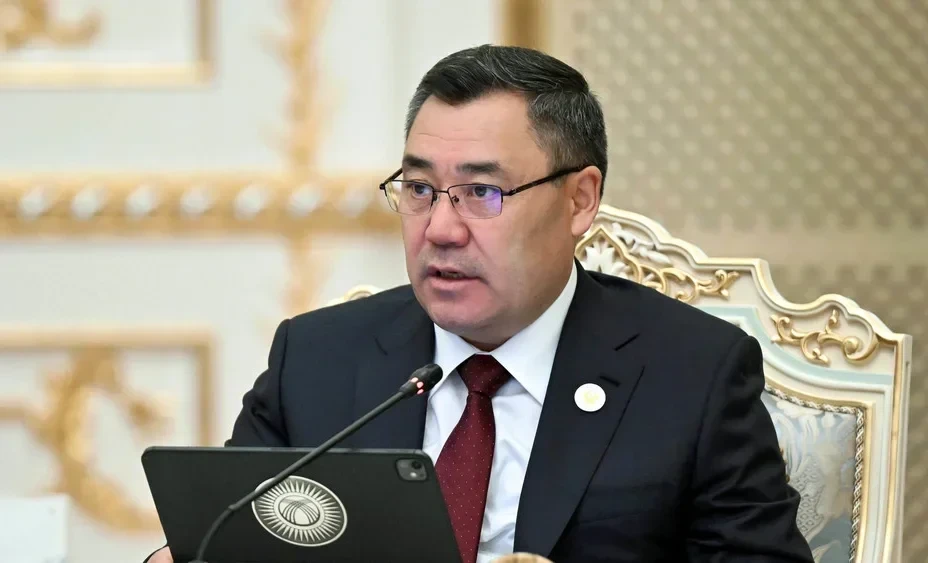
Alikbek Djekshenkulov, who previously held the position of Minister of Foreign Affairs of Kyrgyzstan, shares his opinion on how the new Constitution of Kazakhstan strengthens sovereignty and transforms the political system of the country.
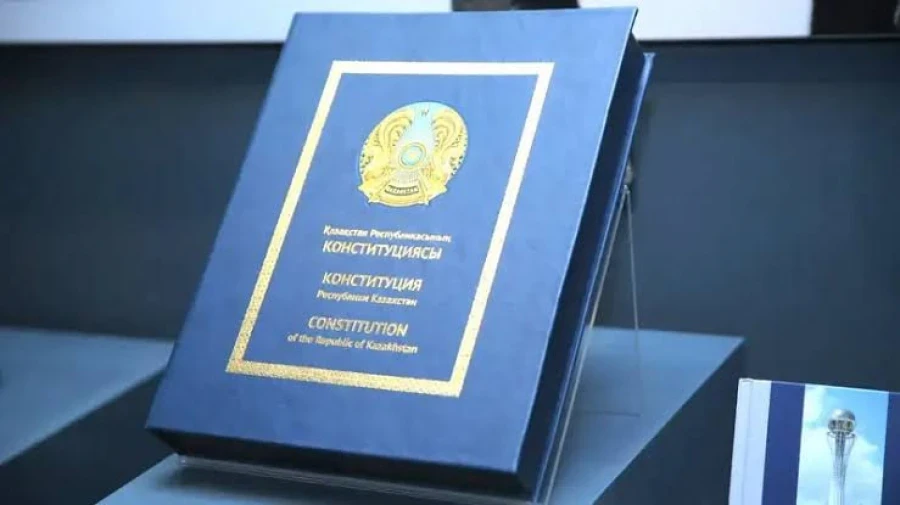
The changes approved at the recent referendum remain at the center of discussions among experts in Kazakhstan and beyond. Political scientists and government representatives analyze how the updated Fundamental Law will impact the governance of the country and its further development.
The opinion on the constitutional changes was presented by Alikbek Djekshenkulov, a statesman and political expert.
The Philosophy of the New Constitution
The expert emphasizes that the main innovation of the reform lies in a complete rethinking of the philosophy of the Fundamental Law. This change implies a transition from declarative formulations to a more thoughtful and conceptually justified document that defines the values of the state and lays the foundations for its future development.
Thus, the new Constitution not only amends individual provisions regarding power but also creates a value platform for state structure, emphasizing the principles of historical continuity, unity of the people, and care for natural resources.
The Unmatched Scale of the Reform
According to the expert, the changes encompass about 84% of the text of the Fundamental Law, making this reform the most extensive since Kazakhstan gained independence. Initially, it was planned to make only targeted amendments to about forty articles; however, during discussions, it became clear that the country needed deeper changes.
These reforms mark a new stage in the political system, indicating a transition from a "super-presidential" model to a presidential republic with a strengthened parliament.
The Constitution as a Social Contract
Moreover, changes in public consciousness also played an important role in preparing the reform. The new Constitution can be viewed as a social contract aimed at establishing a balance of interests between the state and society, reflecting the expectations of citizens.
The process of preparing the document was open to public discussion, which lasted about six months and involved the participation of the Constitutional Commission and a special working group consisting of representatives from science, parliament, journalism, and other sectors.
Citizens submitted about two thousand proposals through e-government platforms, exemplifying the principle of a "listening state."
Strengthening Sovereignty
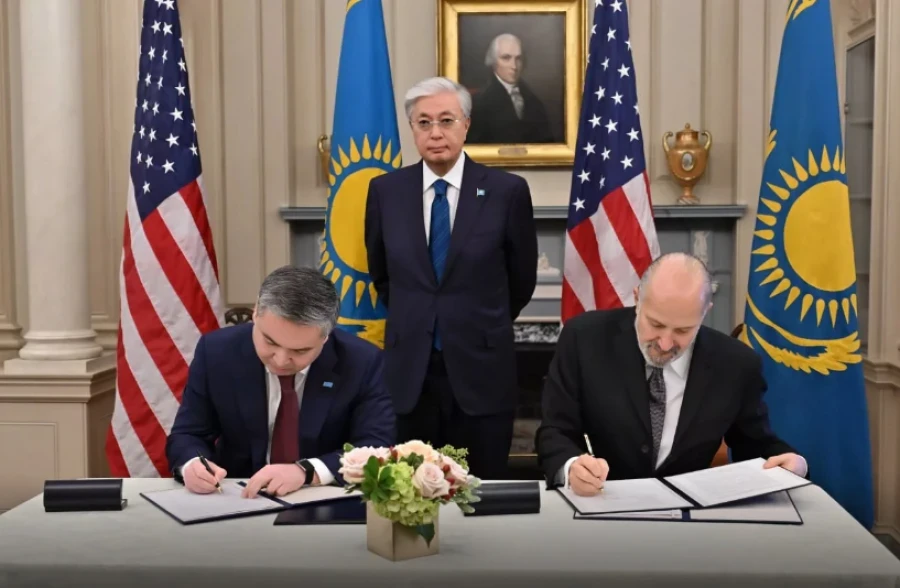
The new version of the Constitution emphasizes strengthening statehood and independence. One significant step was changing the procedure for applying international treaties, which is now regulated by the national legislation of Kazakhstan.
This, according to Djekshenkulov, enhances the legal mechanisms for protecting sovereignty and reduces the risks of external pressure on the internal legal system.
Establishing historical continuity in the preamble of the Constitution also has symbolic significance, defining Kazakhstan as the successor of states that existed on the territory of the Great Steppe, which gives the modern state deep historical legitimacy.
Human Rights in Focus
The updated Constitution also emphasizes human rights and freedoms, reflecting the aspiration for a more human-centered approach in state policy and governance.
New Guarantees of Citizens' Rights
Among the new guarantees of citizens' rights are the prohibition of retroactive law, protection of the home without a court decision, and the prohibition of illegal collection and use of personal data.
Process guarantees are also important, such as the prohibition of double jeopardy for the same offense and the inadmissibility of coercion to testify against oneself.
Additionally, the Constitution introduces the Miranda rule, meaning that a detained person must be informed of their rights at early stages of criminal proceedings, which was previously only within the framework of sectoral legislation.
Strengthening Judicial Protection
Mechanisms for judicial protection of citizens are also being further developed: the legal profession is for the first time enshrined in the Constitution as an independent institution ensuring the realization of the right to defense and equality of parties in judicial proceedings.
Response to Modern Challenges
The updated Constitution takes into account modern global challenges, including political, environmental, and digital risks. In particular, restrictions on foreign funding of political parties are introduced to protect against external interference.
At the same time, the obligation to care for nature, water resources, and the atmosphere is established, which is an important condition for sustainable development.
Digital Rights and Data Protection
For the first time at the constitutional level, the digital rights of citizens are protected, including the prohibition of illegal collection and use of data in the digital environment, which is especially relevant in the context of rapid technological progress.
New Power Structure
The updated Fundamental Law also makes adjustments to the governance system. The balance between branches of power is clarified, and a clear model of governance is formed.
The Constitution establishes a presidential republic, strengthening the mechanisms of checks and balances between state institutions. The parliament receives expanded powers to form key governing bodies, and the government becomes more accountable to the parliament, which should enhance governance efficiency.
Attention is also focused on the role of political parties and local representative bodies, contributing to the transition from a personalized to a more party-based system.
New mechanisms for public representation and interaction between the center and regions are created.
Conclusion of the Reform
Thus, according to Alikbek Djekshenkulov, the constitutional reform lays the foundations for a new political model aimed at strengthening sovereignty, developing political institutions, and protecting the rights and freedoms of citizens.