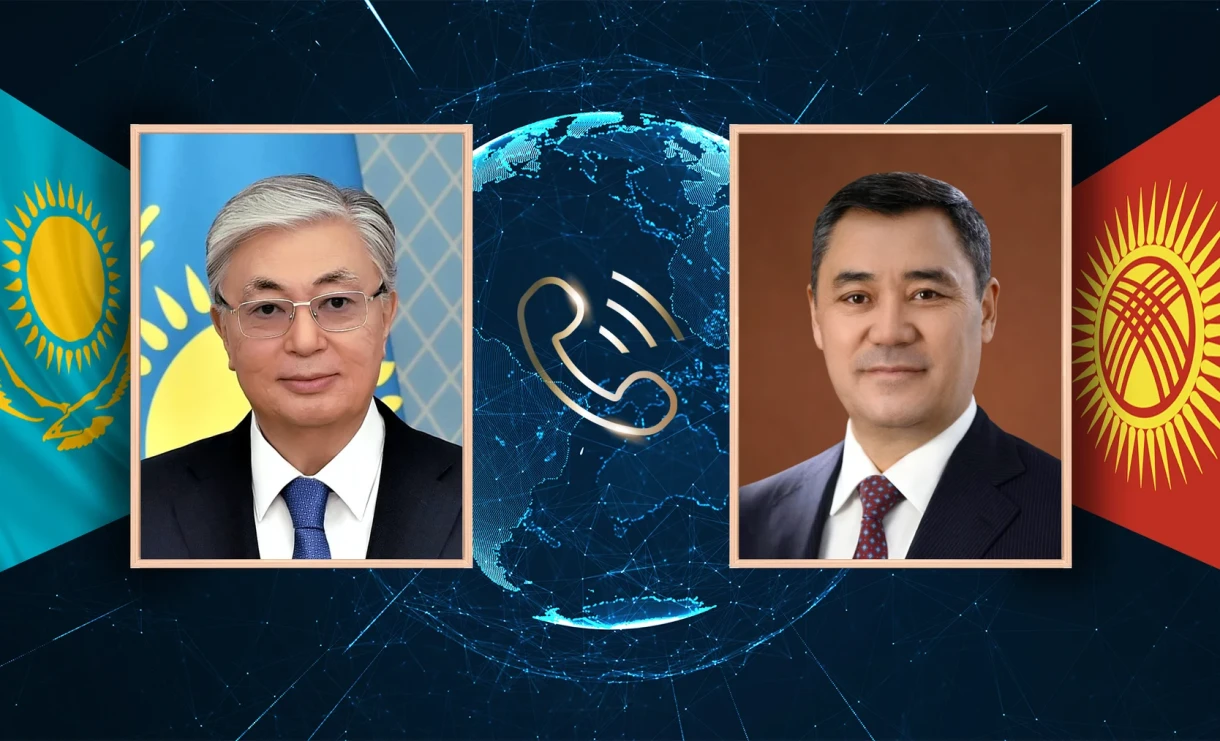
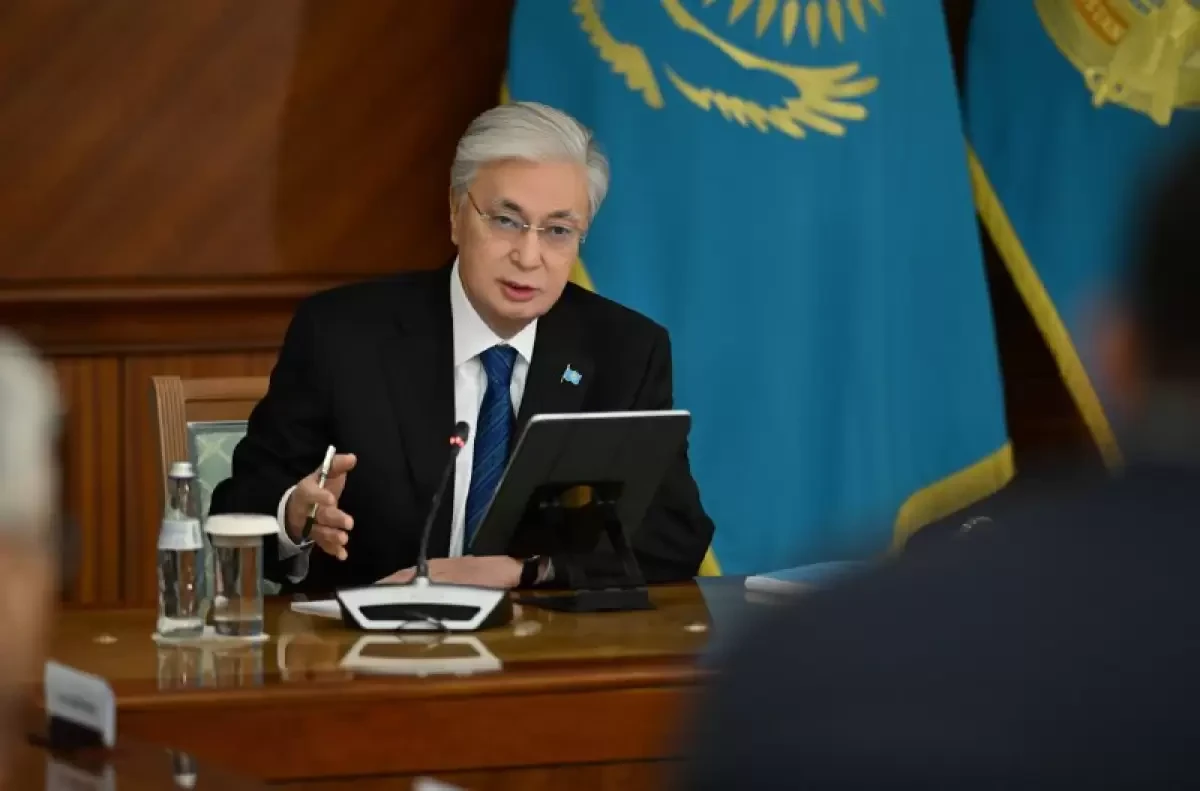
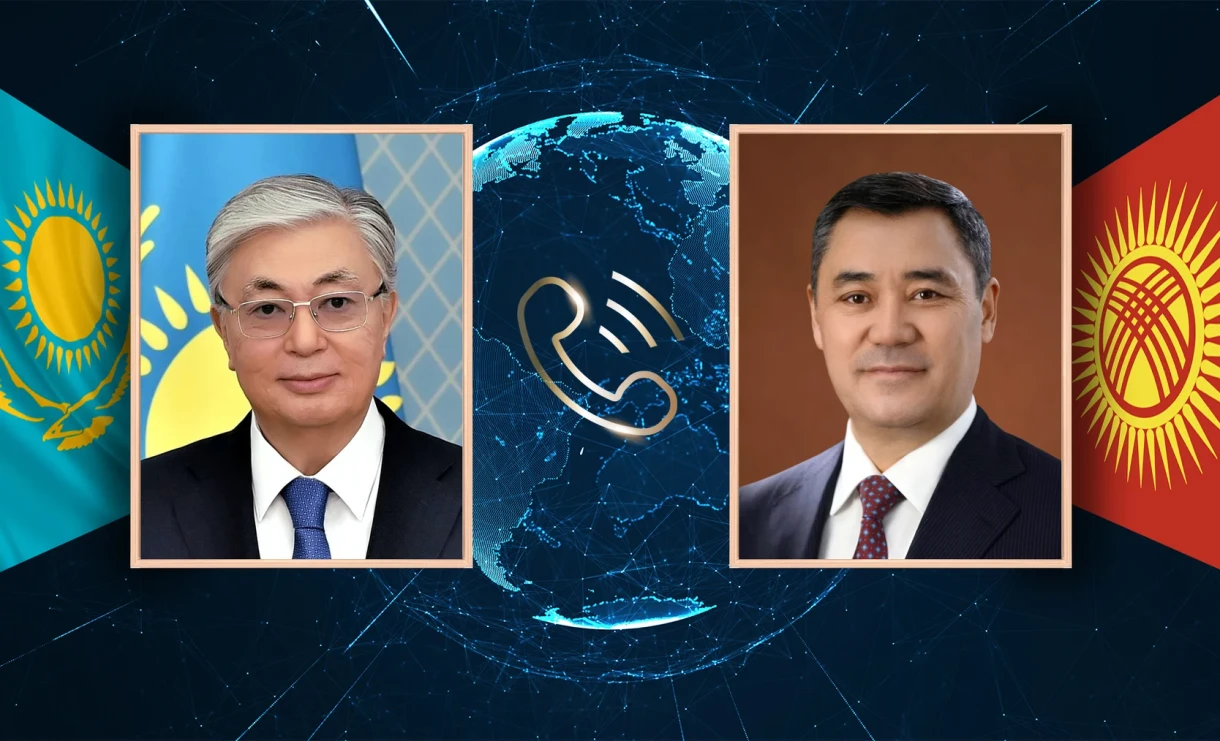
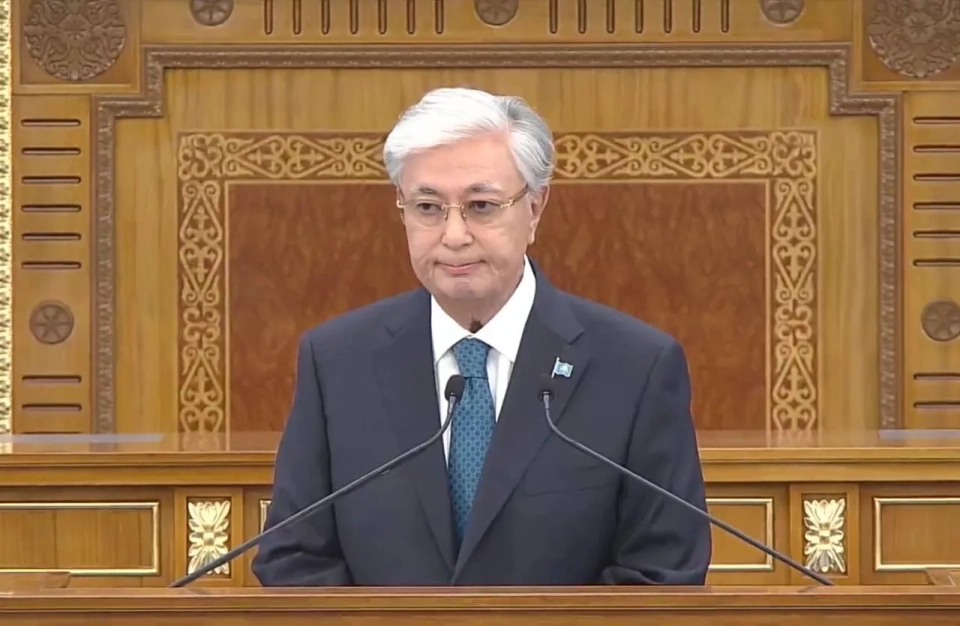
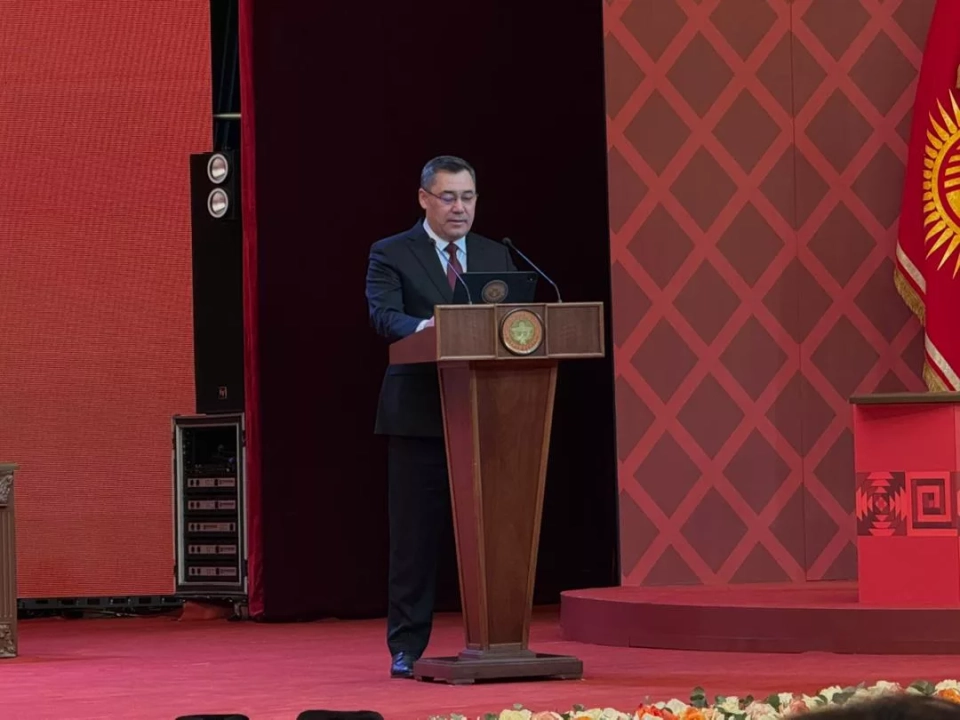
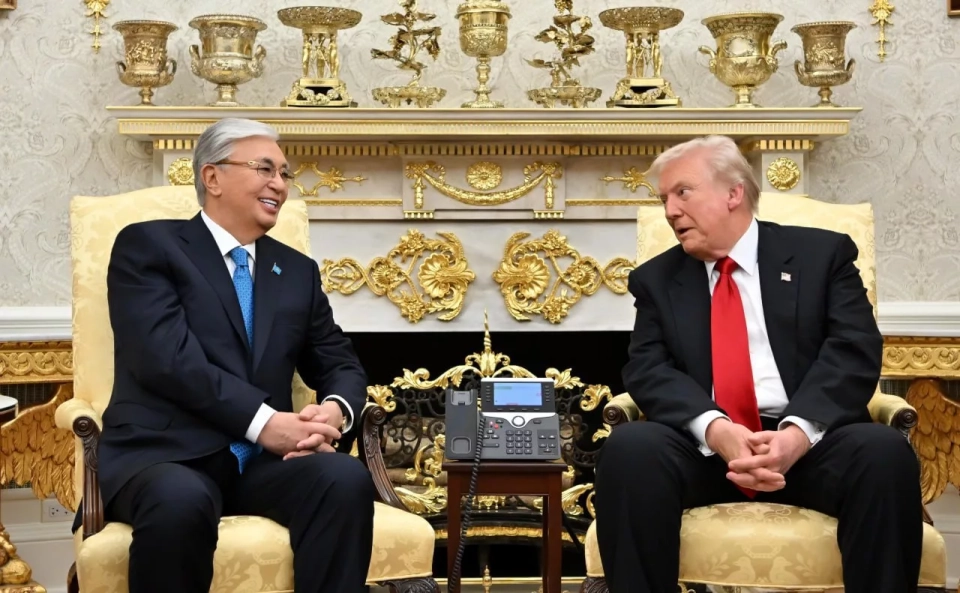
On February 17, a phone conversation took place between the President of Kyrgyzstan Sadyr Japarov and the head of Kazakhstan Kassym-Jomart Tokayev. President Tokayev shared information about the constitutional reform in Kazakhstan, which, according to him, will create a solid foundation for progress. Japarov expressed support for these changes in the neighboring country.
The editorial team of Kaktus.media offers an overview of the main aspects of the constitutional reform in Kazakhstan.
Current Situation
On September 8, 2025, in his annual address to the nation, President Kassym-Jomart Tokayev announced the need for a reform of the political system and a transition to a unicameral parliament.On October 8 of the same year, a decree was signed to form a working group on parliamentary reform, which included lawyers, experts, and representatives of political parties and public organizations. Citizens were also given the opportunity to submit their proposals.
At the V meeting of the National Kurultai in January 2026, Tokayev summarized the results of the group's work.
On January 21, a constitutional commission was established.
On February 12, the text of the new Constitution was published.
The referendum is scheduled for March 15.
Proposed Changes
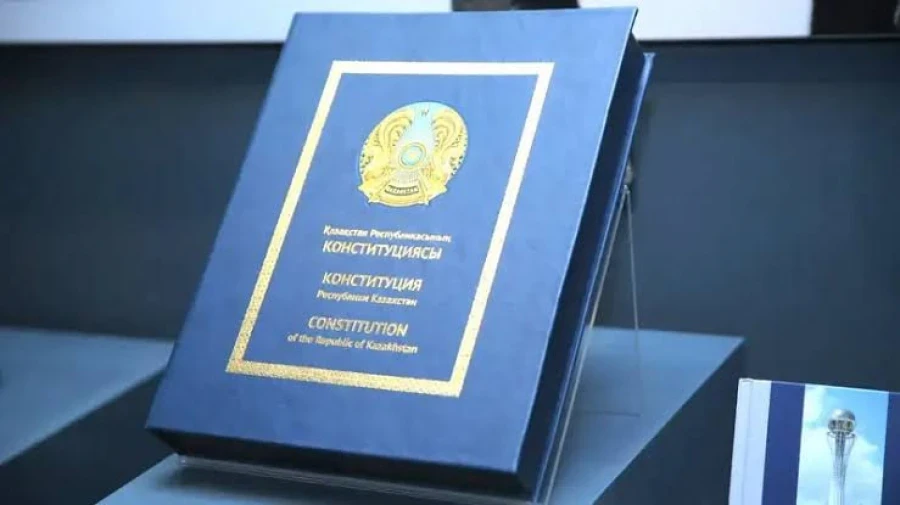
The accepted changes are not limited to amendments but represent a new Fundamental Law, affecting more than 80% of the current text of the Constitution.As stated on the website of the Constitutional Council, the new version "reflects the maturity of the Kazakh state, the international authority of the country, and the strategic focus on progressive development." The preamble adds the characteristic "united" for the people of Kazakhstan. The principles of "Fair Kazakhstan" and the observance of human rights are also enshrined, as well as continuity to the "millennial history of the Great Steppe."
Key changes:
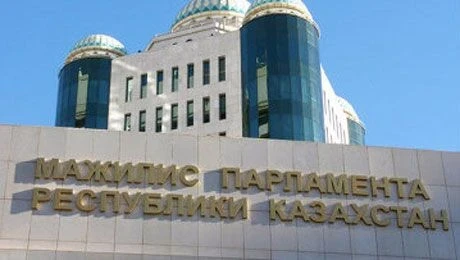
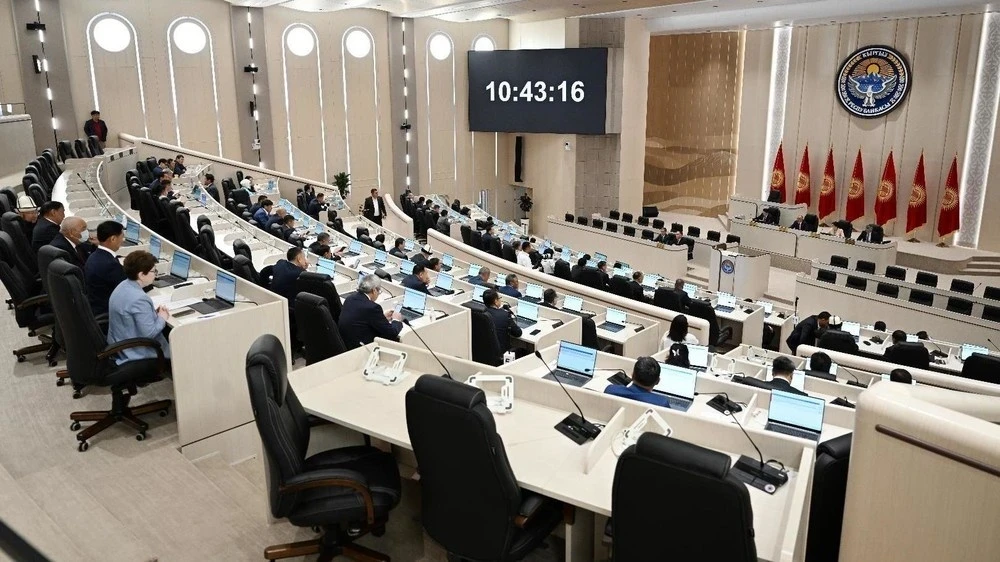
- Parliament structure: instead of a bicameral parliament (Mazhilis and Senate), it is proposed to create a unicameral Kurultai of 145 deputies with new powers. Formation will be carried out according to a proportional system, and the term of office for deputies will be five years.
- Redistribution of powers: a balance of power will be established between the president, parliament, and government to create a "stable institutional model."
- Limitation of presidential terms: the president can only be elected for one seven-year term.
- Creation of the vice-presidential position: the vice-president will be appointed by the president with the consent of the new parliament (Kurultai).
- Status of the Russian language: the wording regarding the status of the Russian language is clarified — instead of "on an equal basis" with Kazakh, it is proposed "alongside" Kazakh, which has caused disputes, but the status of the Russian language as widely used is not preserved in its previous form.
- Supremacy of the Constitution: it is established that the Constitution has the highest legal force, including international agreements.
- New institutions: the creation of bodies such as the People's Council / Халық кеңесі is being discussed, with the right of legislative initiative and other advisory bodies.
- Definition of marriage: an article is introduced stating that marriage is a voluntary and equal union of a man and a woman.
Role of the President
The president will retain the status of head of state with significant powers and a term of seven years (one term).The draft Constitution envisions a model: "Strong president - influential parliament - accountable government," where the president maintains a leading role in the power structure.
In official statements, the authorities emphasize that the new Constitution represents a transition from a "super-presidential" system to a more balanced presidential republic with an influential parliament, although many experts believe that presidential powers may remain as broad or even increase.
Goals of the Constitutional Change
Kassym-Jomart Tokayev believes that the new Constitution will serve as a powerful impetus for further development of Kazakhstan.He emphasized that "the norms contained in the draft of the new Constitution enshrine the consistency and logic of the development of Kazakhstan's political system based on the concept of 'Strong president - influential parliament - accountable government.' Kazakhstan is definitively abandoning the super-presidential form of governance and transitioning to a presidential republic with an authoritative parliament."
However, the process has drawn criticism from human rights organizations. Human Rights Watch, for example, warns of risks to freedom of speech, association, and assembly due to vague wording in the draft. There are concerns that some provisions could be used to restrict the activities of public organizations.
Previous Changes to the Constitution of Kazakhstan
The Constitution of Kazakhstan has been amended twice during the period of independence: in 1993 and 1995. The second Constitution has been changed six times: in 1998, 2007, 2011, 2017, 2019, and 2022. The latest changes, made after the January protests, included 56 amendments, among which were the introduction of a seven-year term for the president, a ban on membership in political parties, restrictions for close relatives of the head of state on holding public office, and the exclusion of the article on the status of Nursultan Nazarbayev as the leader of the nation (elbasy).When Will the New Constitution Come into Effect
If the Constitution is approved, it may come into effect on July 1, 2026, after which the current parliament will be dissolved to transition to a new political order.