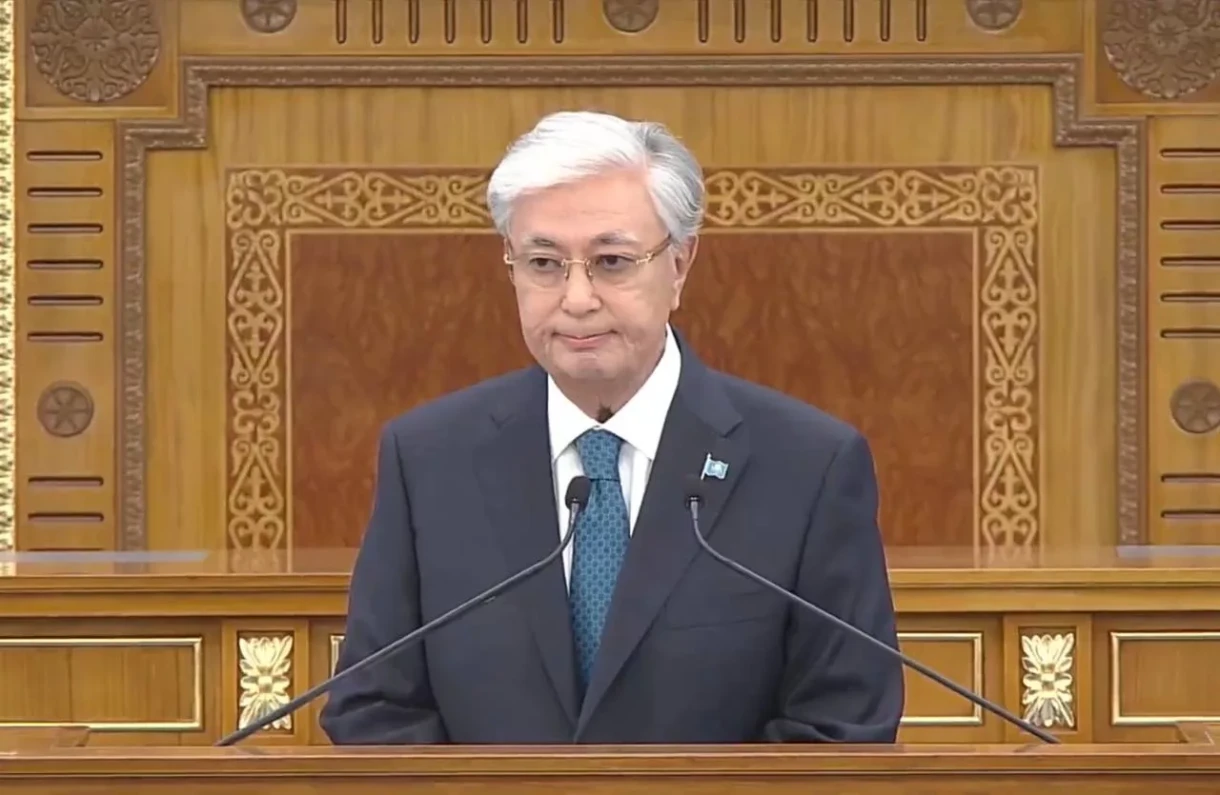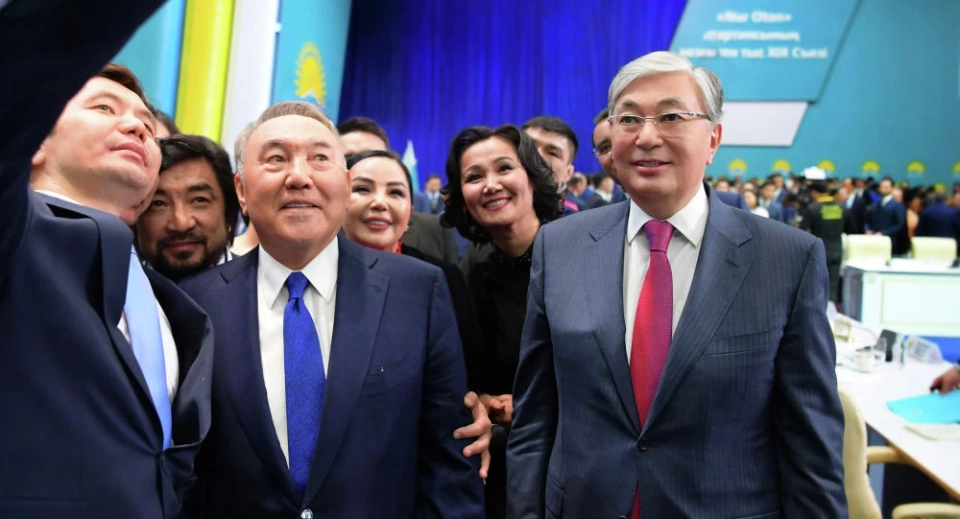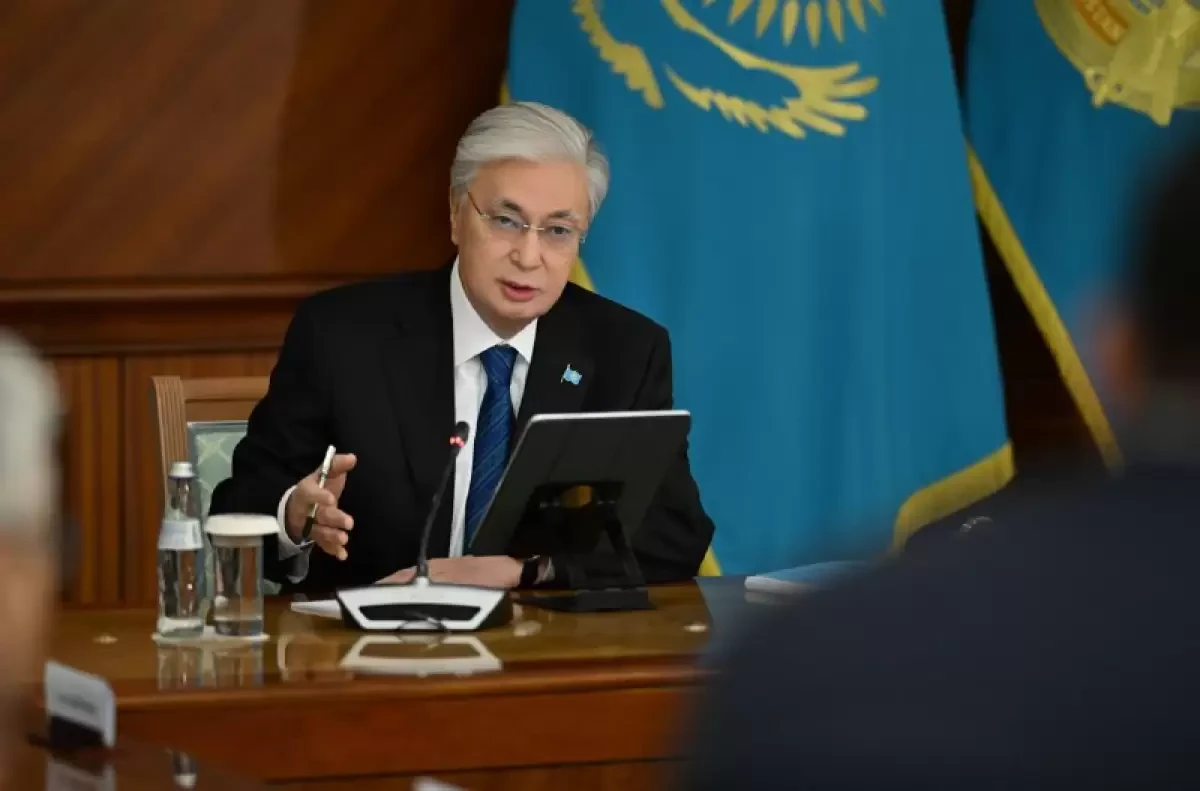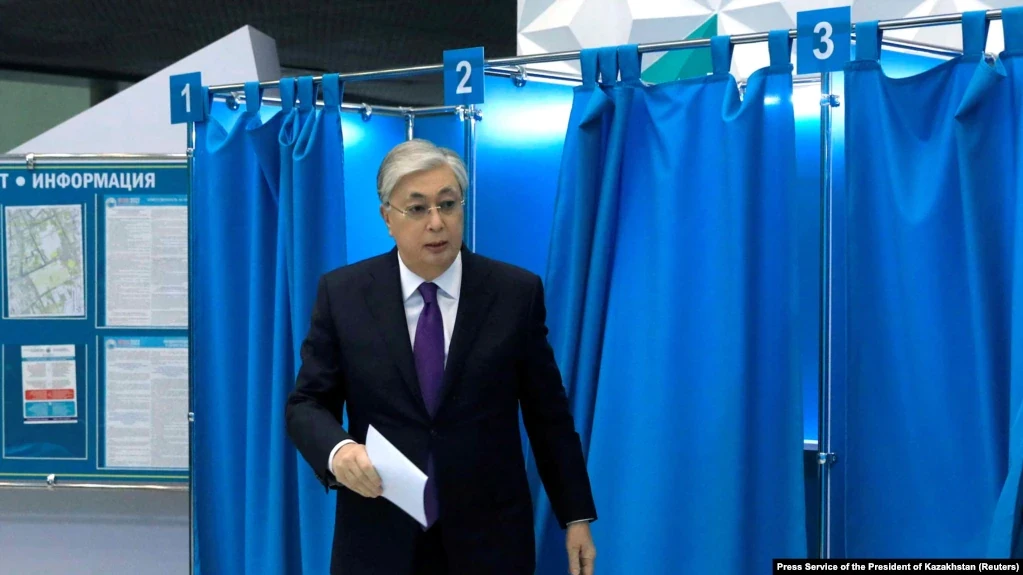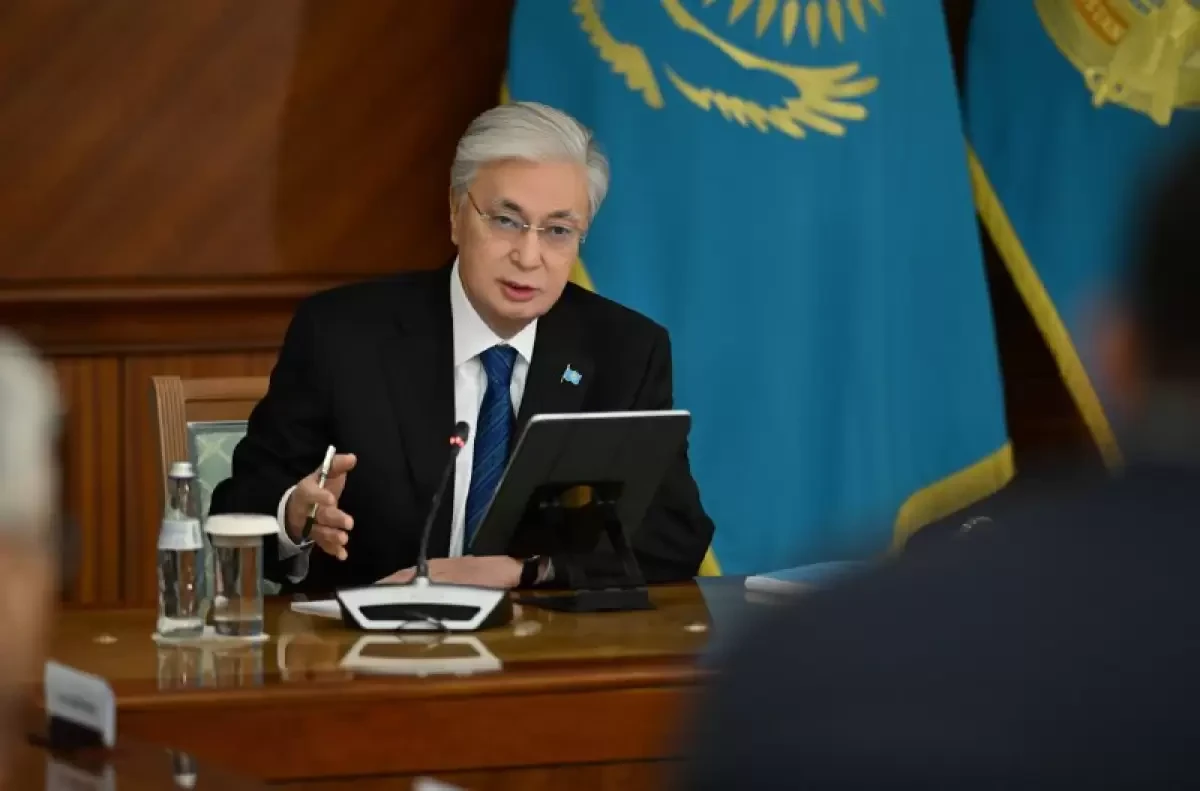
Tokaev announced the date of the referendum on February 11, after hearing reports from the Constitutional Commission that day.
According to preliminary data, the new version of the Constitution of Kazakhstan has been changed by more than 80% and will affect 77 articles.
During his statements, Tokaev emphasized that the adoption of the amendments would give "a powerful impetus for the development of Kazakhstan and help realize the potential of every citizen."
“The analysis of political reforms in recent years confirms that Kazakhstan is finally abandoning the super-presidential model of governance and moving towards a presidential republic with an authoritative parliament,” the president noted.
However, lawyers and human rights defenders express concerns that the new changes may, on the contrary, expand presidential powers, weakening other state structures. There are also fears that the amendments could increase control over citizens under the pretext of protecting national interests.
The Threat of Authoritarianism
The Kazakhstan International Bureau for Human Rights (KIBHR) and the Legal Media Center have sent their proposals and criticisms regarding the new amendments to the authorities.
Evgeny Zhovtis, the chief expert of KIBHR, noted in an interview with the BBC that the draft of the new Constitution demonstrates a more "authoritarian and super-presidential" approach.
“In the current version, the appointment of the chairman of the Constitutional Court requires the consent of parliament, while in the new draft, many appointments will be made without parliamentary approval, which strengthens presidential power,” the lawyer explained.
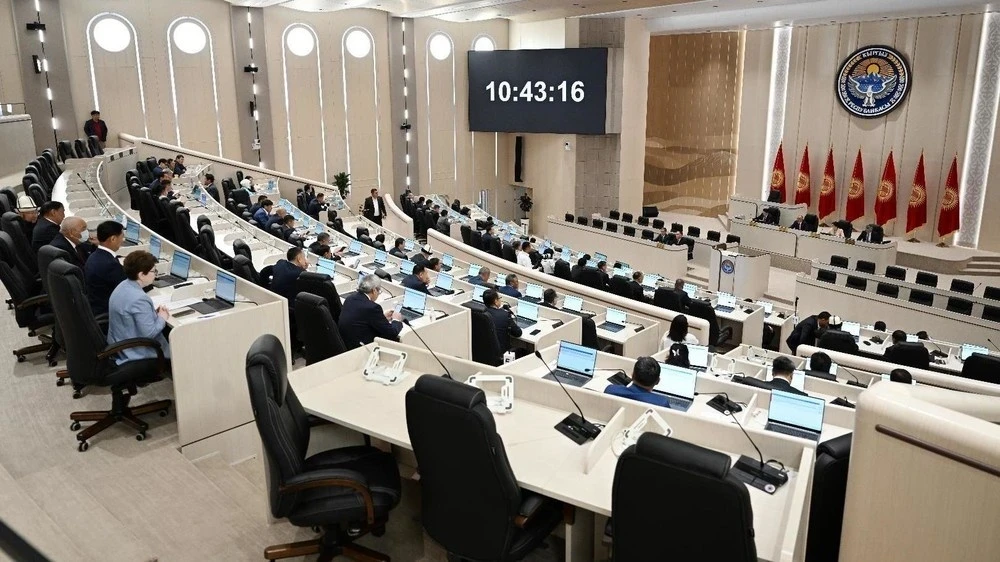
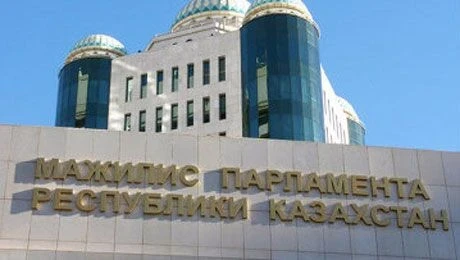
The amendments also change the structure of parliament, moving from a bicameral system to a unicameral one, which significantly reduces the powers of deputies. Additionally, it is proposed to rename the parliament to Kurultai.
According to the new reforms, parliament will no longer be able to lift the immunity of the Attorney General, the Chairman of the Supreme Court, and the Ombudsman for Human Rights. Furthermore, the new Constitution lacks a provision stating that deputies approve the republican budget and make changes to it.
“There are many questions regarding this Constitution. I believe it is worse than the current one. Political technologies strengthen presidential power by introducing ideological slogans about 'law and order.' This project is created for the existing power and may be changed again,” the expert added.
Restrictions on Freedom of Speech
Elvira Azimova, head of the Constitutional Commission, during a meeting with the president on February 11, reported that the new Constitution was developed based on proposals from citizens and experts.
However, human rights defenders have repeatedly raised the issue of the need for their participation in the process of developing the amendments and criticized the changes to the country's main law.
The Legal Media Center points out that the new Article 23 of the Constitution contains vague formulations that could serve as a basis for restricting freedom of speech and pressuring the media.
“These changes could be used to suppress criticism of the authorities, while modern constitutional development should be based on the principle of public interest and the right of society to receive important information,” human rights defenders emphasize.
Supremacy of the Constitution over International Treaties
At the meeting of the Constitutional Commission on February 3, it was stated that the new Constitution would have the highest legal force compared to international agreements.
“In the context of growing international instability, the fulfillment of international obligations should be assessed in terms of sovereignty and the foundations of Kazakhstan's constitutional order,” noted lower house parliament member Murat Abenov.
According to him, social guarantees will only be provided to foreigners from countries that also offer similar support to Kazakhstanis.
Zhovtis explained that in this way, international law will cease to be a priority compared to Kazakhstan's legislation.
Status of the Russian Language
Media reports also mentioned a possible "downgrading" of the status of the Russian language in Kazakhstan in the new draft Constitution.
As lawyer Evgeny Zhovtis explained, the amendments do not change the status of the Russian language; only the wording changes.
Currently, Article 7 of the Constitution states that the Russian language, along with Kazakh, is used in state bodies. In the new draft, the word "on par" is replaced with "alongside."
“The words 'on par' and 'alongside' imply equal importance, meaning that the Russian language should be used in state bodies, and when addressing them in Russian, citizens have the right to receive a response in that language. The status of the language has not changed; it remains unofficial,” the lawyer added.