In Kazakhstan, there is a continuing growth in the volume of freight transportation by road; however, participants in this sector note the presence of serious systemic problems that hinder the development of the industry and do not allow for the full utilization of the country's transit potential, as reported by inbusiness.kz.
Growth in volumes, but not in optimism
Despite stable demand for the services of Kazakh carriers, working conditions in this field are becoming increasingly difficult. The main factors affecting the situation include initiatives from the Ministry of Transport, growing competition from Belarusian companies, and unresolved issues with reloading.
Although Kazakhstan is striving to develop international trade, logistics processes are still far from ideal. At the same time, the development of the supply chain is considered an important state task.
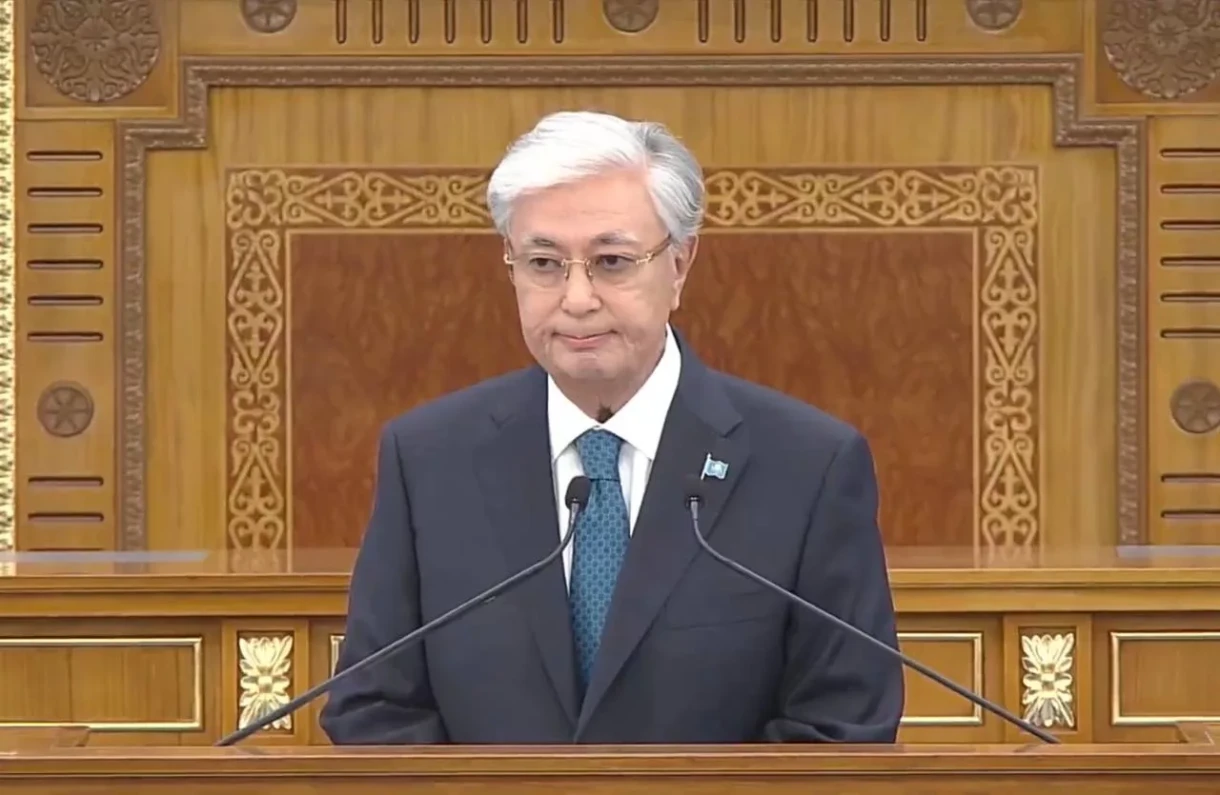
In December of last year, at a meeting dedicated to the development of regional cargo air hubs, the President of Kazakhstan, Kassym-Jomart Tokayev, emphasized that a significant portion of freight transportation in the country is carried out using rail and road transport.
Statistical data confirms the growth: from January to December 2025, the volume of transportation increased by 2.8%, and freight turnover increased by 32.8% compared to the same period in 2024.
Experts attribute this dynamic to high harvests: processing enterprises are actively purchasing raw materials from farmers, which, in turn, increases domestic transportation. However, according to Omari Kharbedia, the head of one of Kazakhstan's transport companies, seasonal growth does not solve the fundamental problems in the industry. The situation on international routes remains complicated.
Problems at the border
One of the main problems is the prolonged delays at the Kazakhstan-Russia border. Delays affect both loaded and empty vehicles.
“It takes only 3 hours to get to Omsk. But our drivers have to wait for 12-15 hours. How can this be justified?” asks Omari Kharbedia rhetorically.
According to him, many drivers are considering changing professions. Delays and queues negatively impact the economics of transportation: companies cannot accurately plan delivery times and risk breaching contracts.
The system of navigation seals creates an additional burden. On one hand, it enhances control over transportation, but on the other hand, it increases costs.
For one trip, carriers have to allocate more than 100,000 tenge: over 41,000 for the start of cargo tracking, 28,400 for the tariff for movement within the EAEU, and another 37,800 for completing the procedure. These amounts do not include VAT.
However, the main problem lies not only in financial costs but also in the loss of time.
“It’s about time. To install a seal, a separate employee must arrive, and the same goes for removing it. This takes at least half a day,” emphasizes Omari Kharbedia.
Negotiations are necessary
Sector representatives emphasize that this is not about benefits, but about creating adequate working conditions.
“When the Customs Union was created, we expected that the basis would be the liberalization of the economy. We thought it would be easy to move and transport goods, and that we wouldn’t have to wait long at the border. The idea was good from an economic standpoint, but now we see the result,” notes one industry representative.
Market participants are confident that the problem can only be solved at the level of intergovernmental agreements.
In an optimistic scenario, Kazakhstan could fully utilize its transit potential. Geographically, the country serves as a bridge between Asia and Europe, but it has not yet managed to take full advantage of this benefit.
In particular, European ports in the Baltics and Finland could receive cargo from Kazakhstan; however, in practice, carriers face numerous barriers within the EAEU, making such routes economically unfeasible.
The post "Trucks stuck at the border: Kazakh carriers are losing money" first appeared on K-News.