




Hepatitis A, also known as Botkin's disease, is an inflammatory liver disease caused by the hepatitis A virus. This virus is transmitted from infected individuals to healthy ones through fecal-oral and food routes. It is characterized by high immunogenicity, leading to the formation of lasting immunity after the infection. The incubation period averages from 15 to 30 days.
“Children of preschool and school age are most susceptible to hepatitis A. The main routes of infection are dirty hands, unwashed fruits and vegetables, as well as untreated water. In kindergartens, the virus can spread quickly through shared toys and items that children may put in their mouths. Therefore, maintaining personal hygiene and thoroughly washing food are crucial preventive measures,” notes doctor Khalida Azimbaeva.

The course of hepatitis A can vary, making diagnosis challenging. There are several clinical forms of the pre-jaundice period, such as flu-like, dyspeptic, asthenovegetative, and mixed.
Flu-like variant
This variant begins acutely and can mimic ARVI. The temperature rises to 38–39°C, accompanied by weakness, lethargy, and loss of appetite. On the 2nd to 3rd day, the fever subsides, but specific symptoms arise: jaundice of the skin and sclera, dark urine, and abdominal pain. Antibiotics should not be used as they are ineffective against viruses and can additionally burden the liver.

Symptoms of this variant include digestive disturbances: nausea, vomiting, bitter taste in the mouth, abdominal pain, and stool disorders. The absence of jaundice in the early stages can lead to confusion with food poisoning or intestinal infection. Self-treatment with anti-diarrheal medications can complicate diagnosis.
Asthenovegetative variant
This variant presents with nonspecific symptoms: severe weakness, poor sleep, and lack of appetite. Jaundice may be mild or absent, making the patient a potential source of infection.
Mixed variant
This variant combines symptoms ranging from cold-like manifestations (runny nose, sore throat) to severe abdominal pain and nausea.
While the diagnosis is not established, the child may continue to attend kindergarten or school, increasing the risk of infecting others. If suspicious symptoms appear, it is essential to consult a doctor immediately and undergo examination, avoiding self-treatment.

Treatment Methods
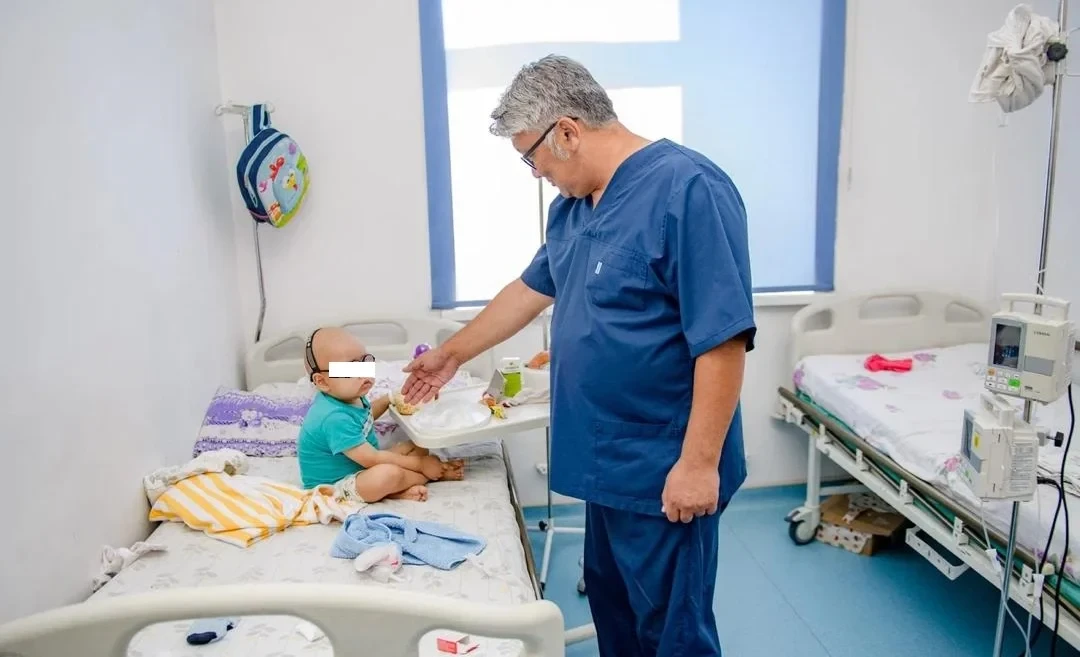
During the acute period of hepatitis A, there is an enlargement of the liver and spleen, as well as pronounced symptoms of intoxication. The child may require inpatient treatment with strict bed rest.
To restore liver function, a special diet must be followed. Fried, fatty, and spicy foods, as well as carbonated drinks and fast food, should be avoided. It is recommended to consume lean dishes: vegetable soups, cereals, and boiled meat, along with fresh fruits and vegetables. Abundant hydration, including water and compotes, will help accelerate the elimination of toxins.
If the child suffers from severe nausea and lack of appetite, intravenous fluids may be prescribed to reduce the level of intoxication.

The foundation of hepatitis A prevention is maintaining personal hygiene. In childcare facilities, each child should have individual towels and utensils, and toys must be regularly disinfected. It is important to consume only thoroughly washed fruits and vegetables.

Hepatitis A has pronounced seasonality, with outbreaks of the disease most often occurring in the fall and winter, related to summer swimming in open water bodies and the consumption of unwashed products.
In our country, vaccination against hepatitis A is not included in the National Calendar of Preventive Vaccinations due to a stable epidemiological situation. However, during outbreaks or at the request of parents, vaccination can be carried out in private medical institutions on a paid basis, which is a reliable method of protection, especially for children in large groups.