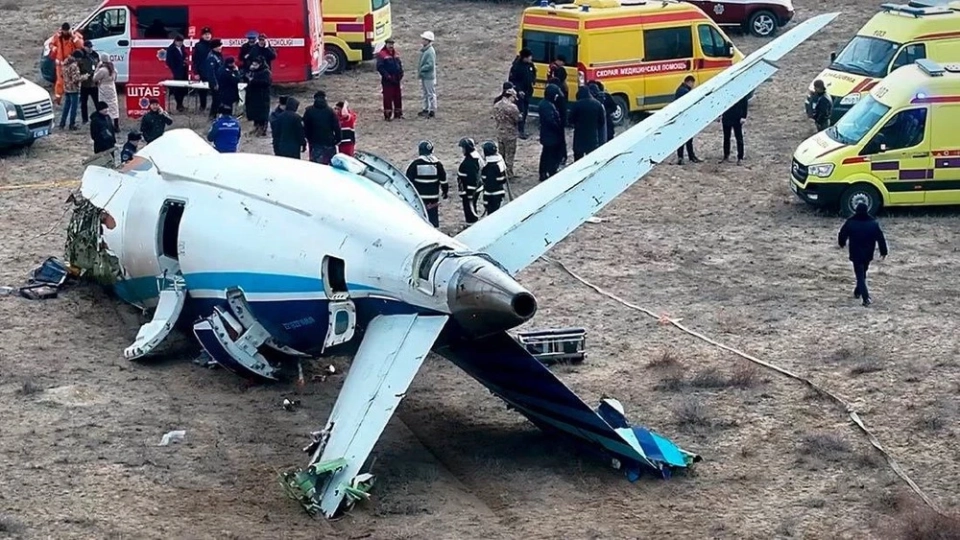
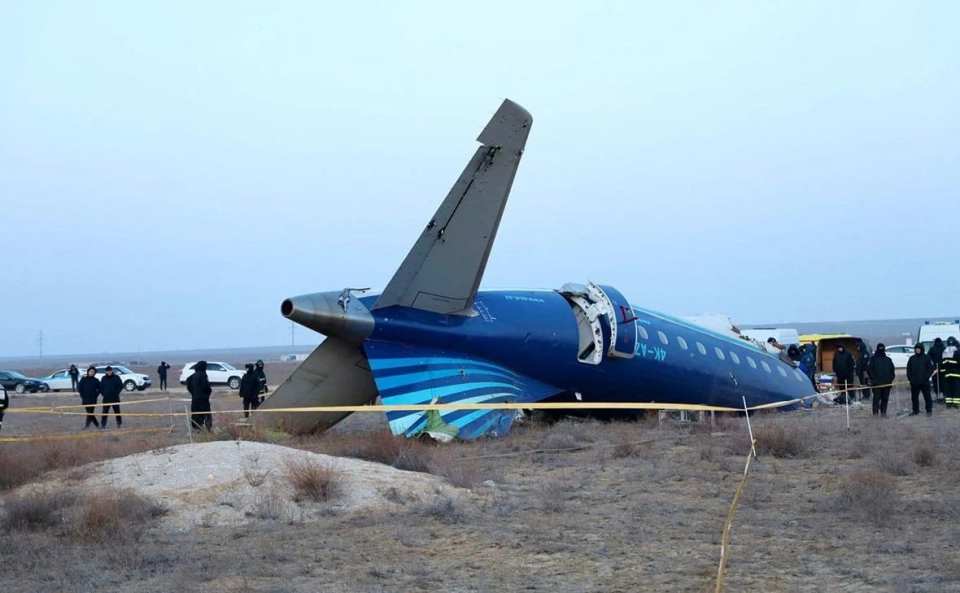
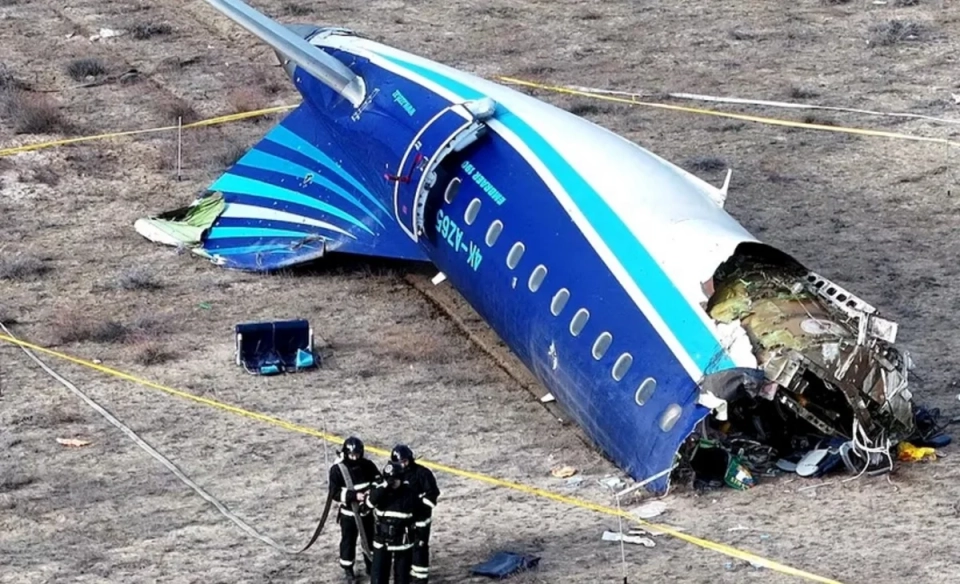
In this report, it is stated that at the time of its preparation, the commission had collected and analyzed data, including information about the crew members, air traffic controllers, as well as documents related to the preparation and execution of the flight, meteorological data, and maintenance materials. Copies of the flight logs and other documents related to the flight were also obtained.
Specialists worked with the onboard recorders: extraction, identification, and decoding of flight parameters from the data recorder, as well as decoding of the cockpit voice recorder.As part of the investigation, the following studies were conducted:
- conducting a comprehensive examination (tracing, ballistic, explosive technical, and fire) of the identified metal objects (external objects). The results of the examination showed no traces of explosives. No traces of an explosion were found on three oxygen cylinders. The damage to the aircraft was likely caused by the striking elements of the warhead, but it was not possible to determine their source. The tracing examination of a part of the hydraulic system tube revealed the presence of damage. The mechanism of damage is associated with metal rupture due to contact with hard objects. Penetrating damage could have been caused by metal fragments made of iron alloys;
- investigation of the maintenance central computer cassette. Due to thermal exposure, it was not possible to extract data from this cassette.