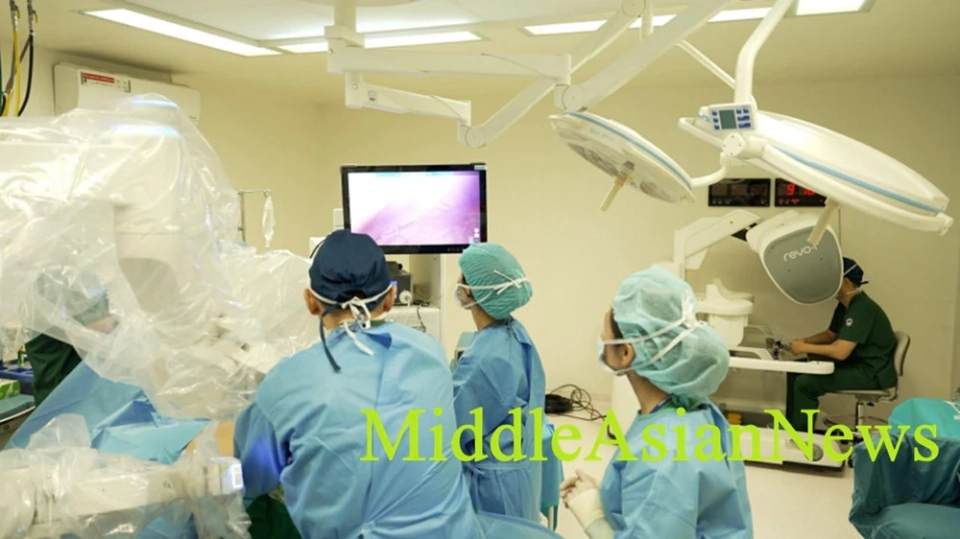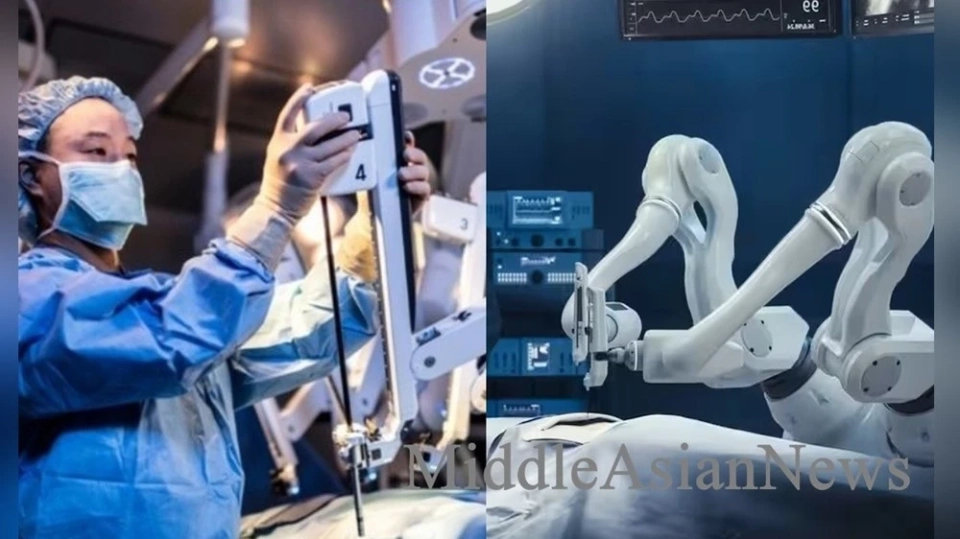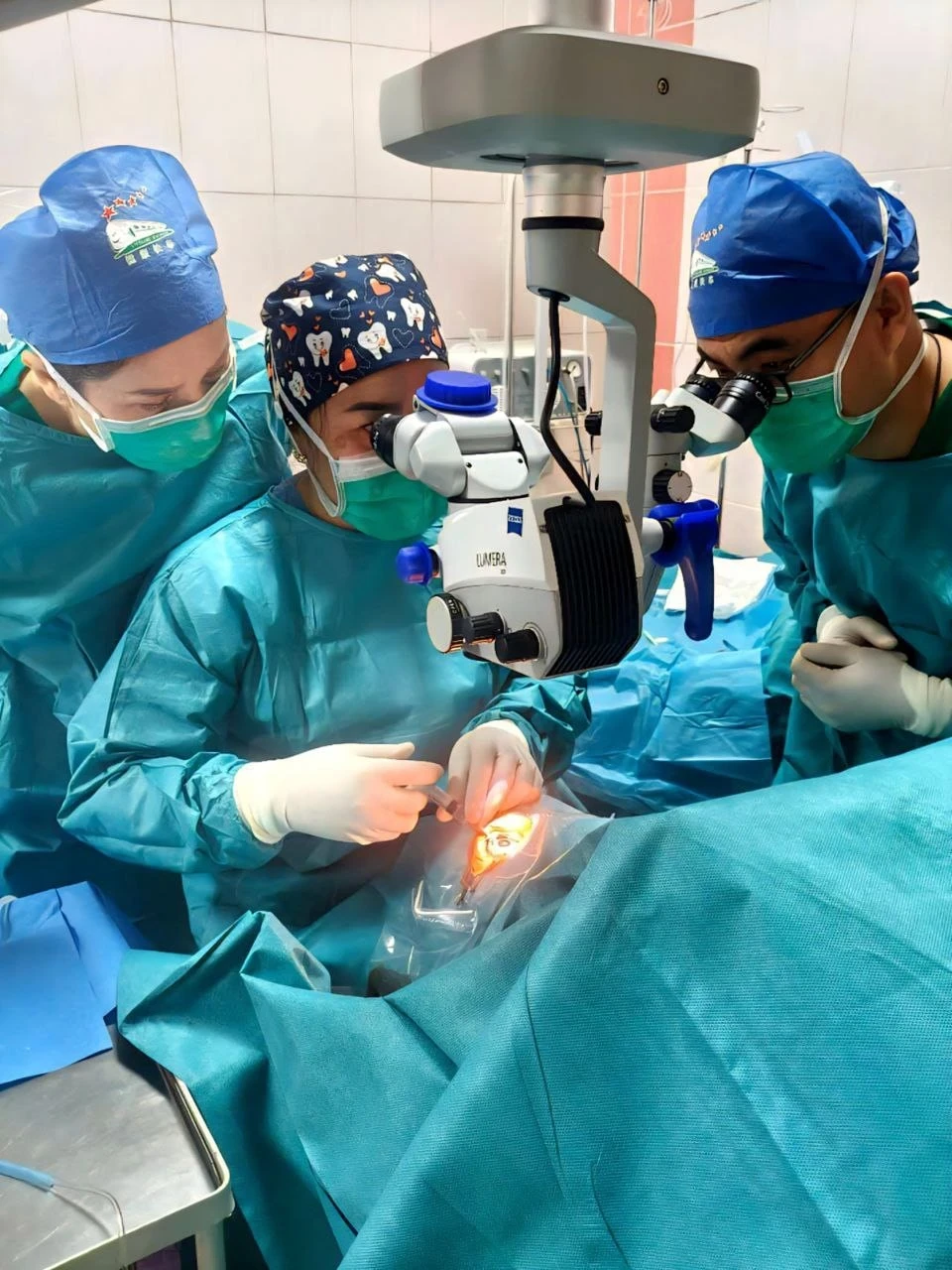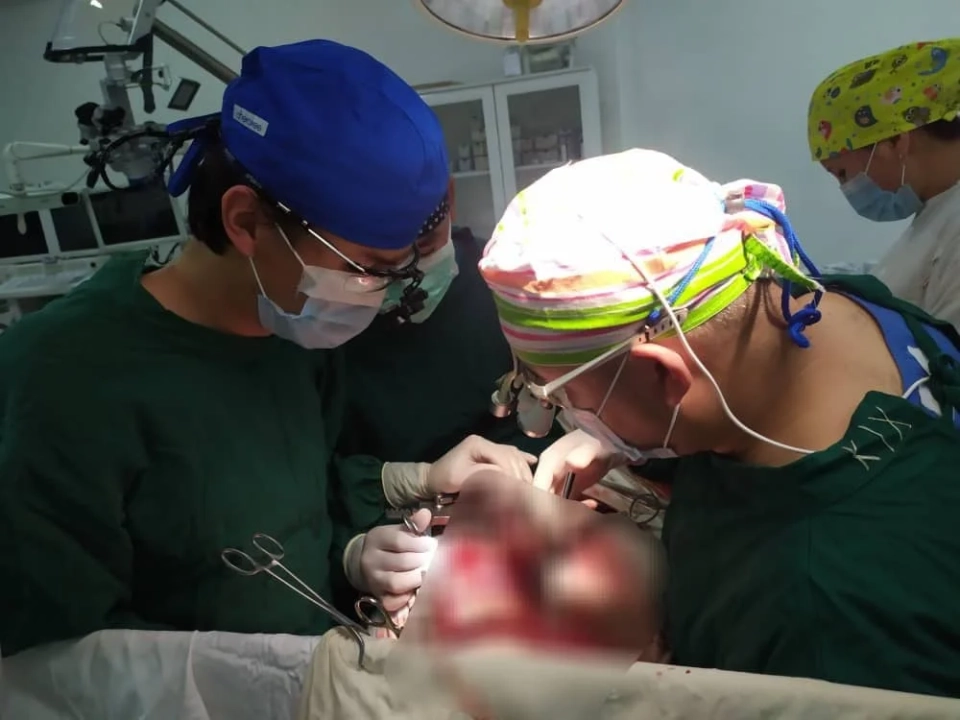
Microscopic spinal surgery is a modern minimally invasive procedure performed using advanced technologies to treat various spinal diseases.
A group of experienced specialists from Mongolia underwent training abroad to master the diagnosis and treatment of diseases that are considered difficult to treat in the country.
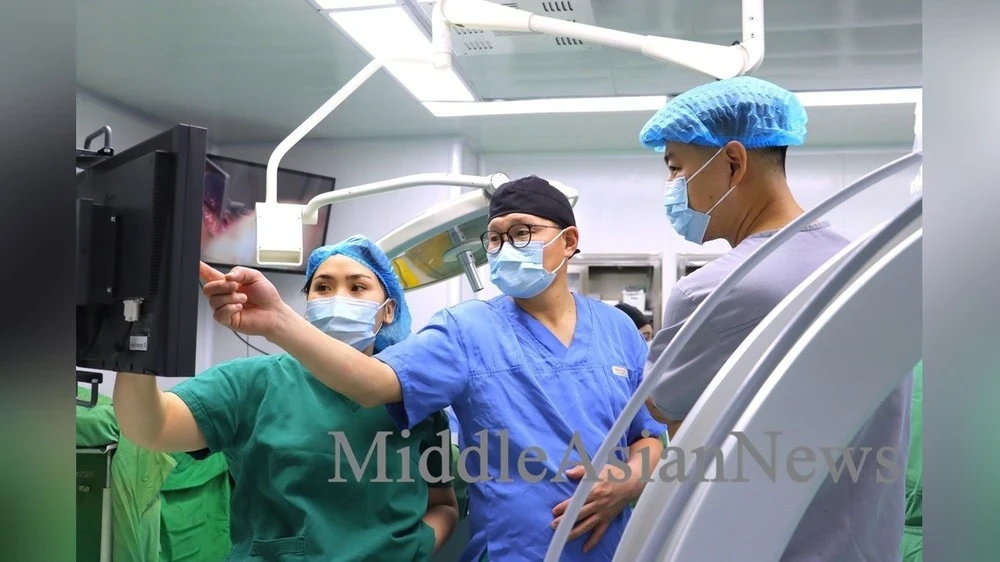
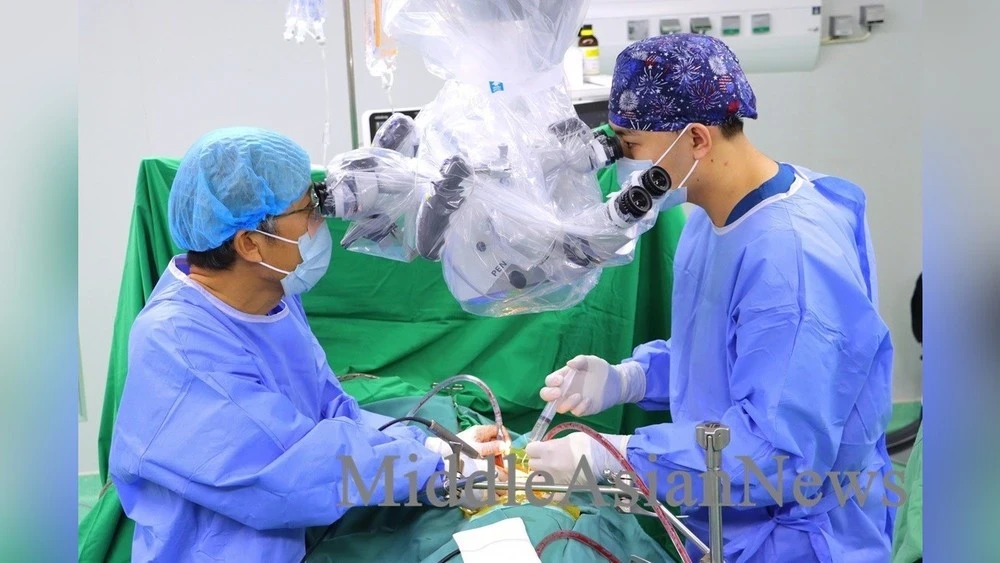
In 2024, specialists from the spinal surgery department of the National Center for Traumatology and Defectology studied various aspects of spinal surgery, including the treatment of complex deformities and spinal replacement surgeries, undergoing training at hospitals in Bucheon University of Suncheonhyang and Ansan Korean University in the Republic of Korea.
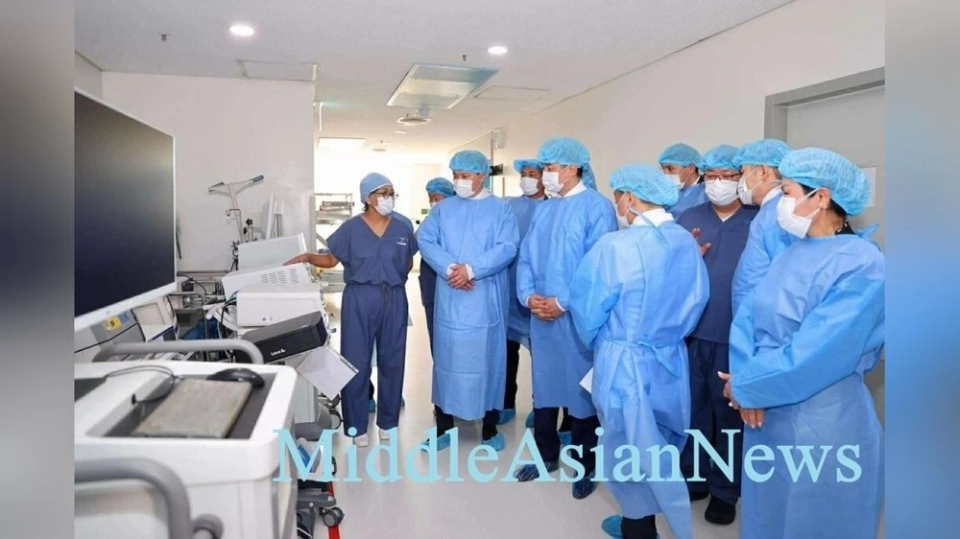
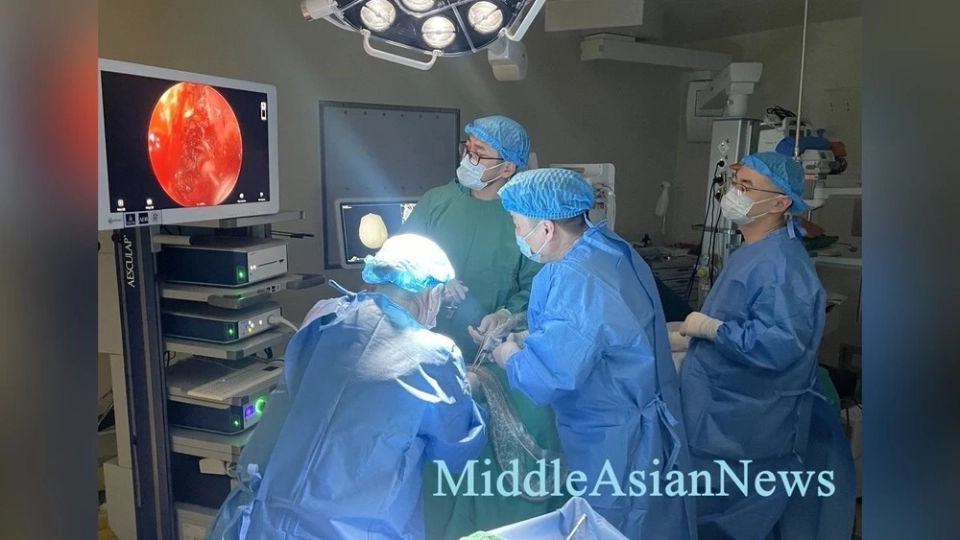
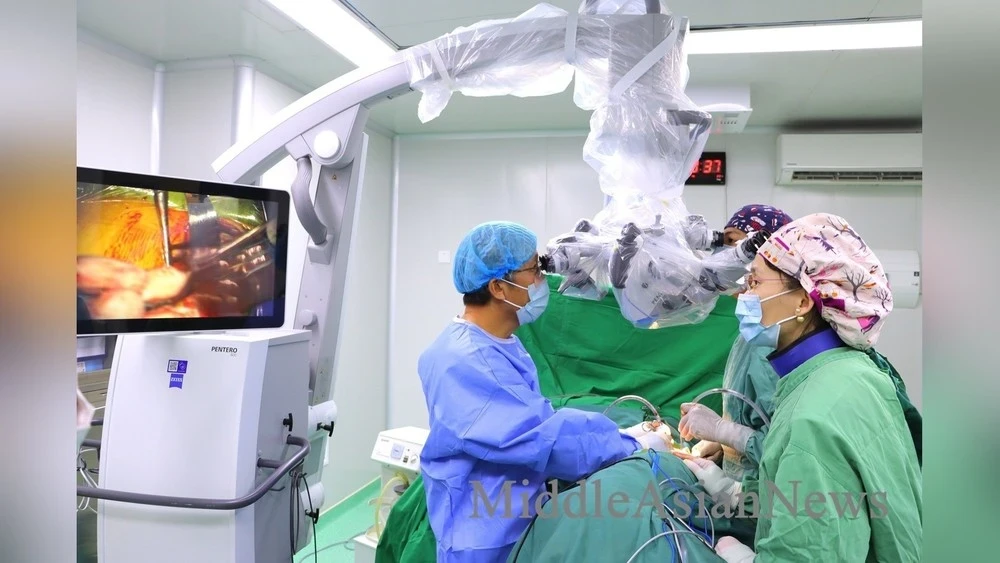
The National Center for Traumatology also made the decision to purchase equipment for spinal surgery, including the spinal endoscope "CON MED 4K UHD" in 2023 and the "Carl Zeiss Pentero 800" microscope in 2025, with the aim of implementing international technologies into the healthcare system and supporting specialists trained under the continuing education program.
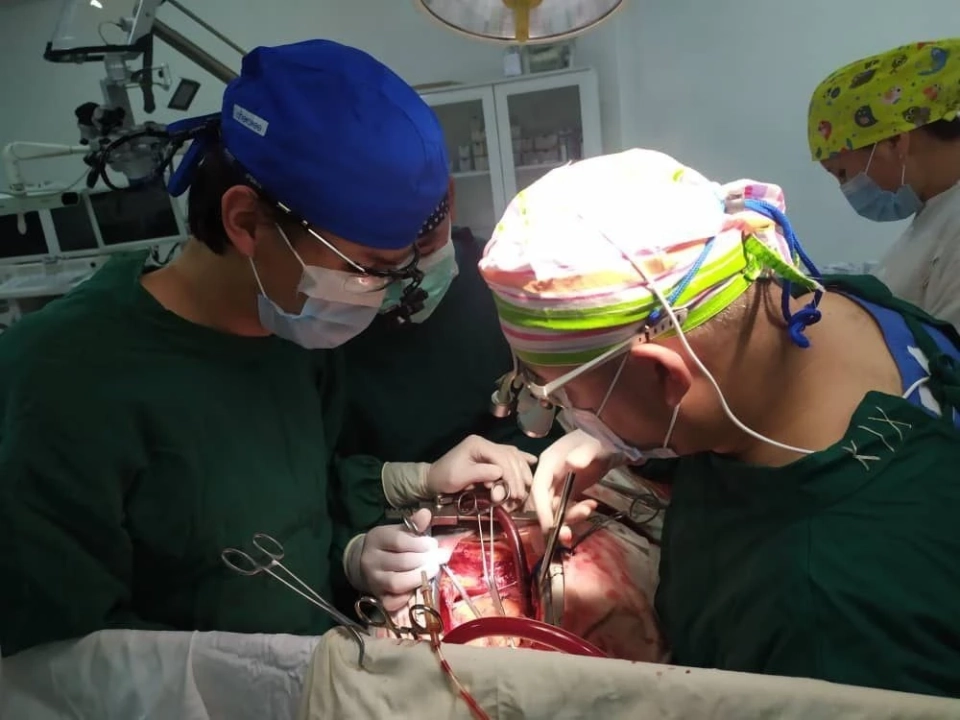
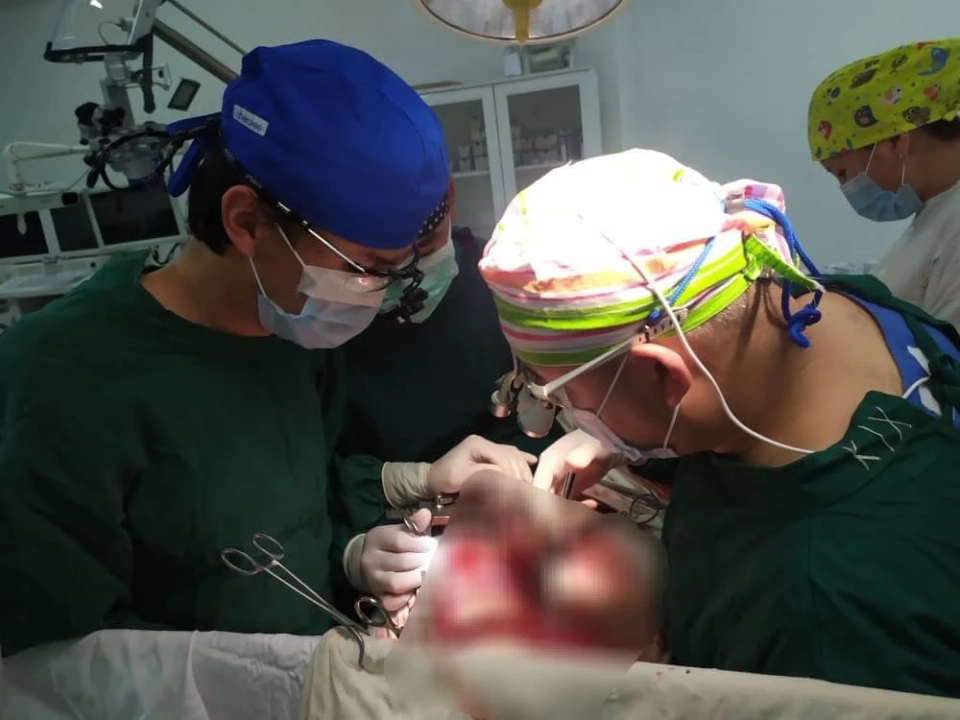
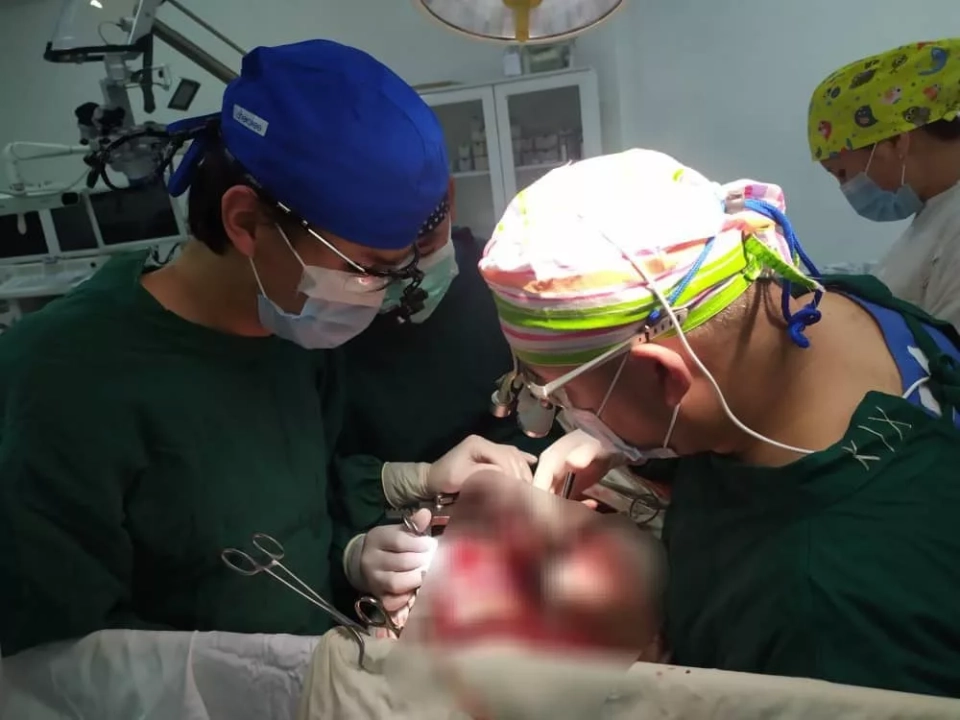
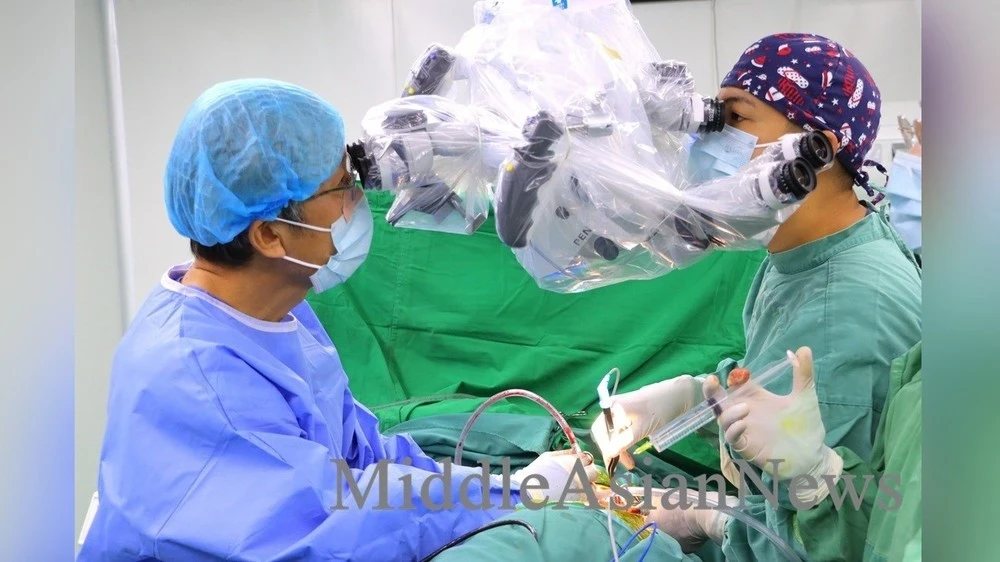
Doctors from the spinal surgery department, together with Professor Im Soo-bin, head of the neurosurgery department at Bucheon University of Suncheonhyang Hospital, successfully performed spinal surgery using the microscope.
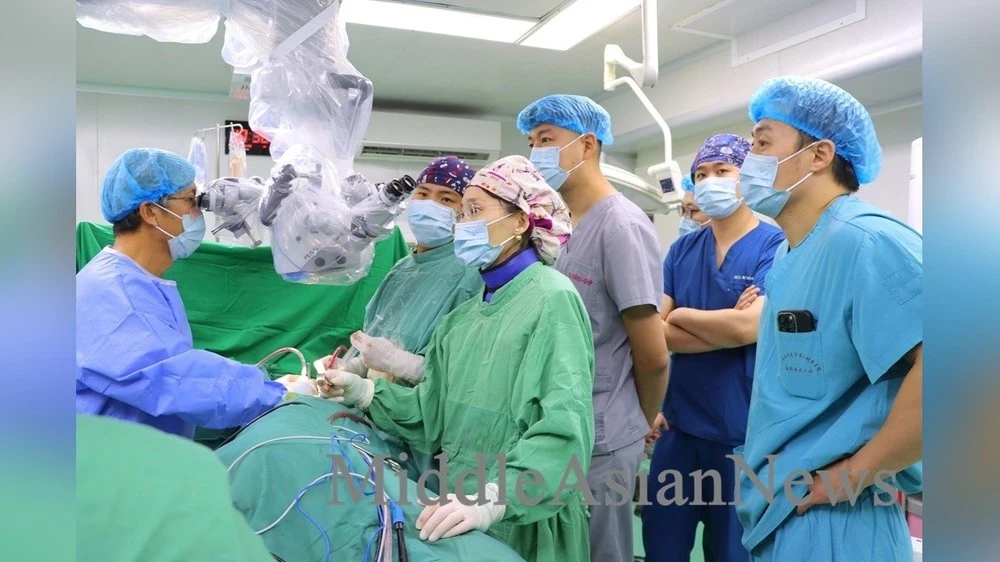
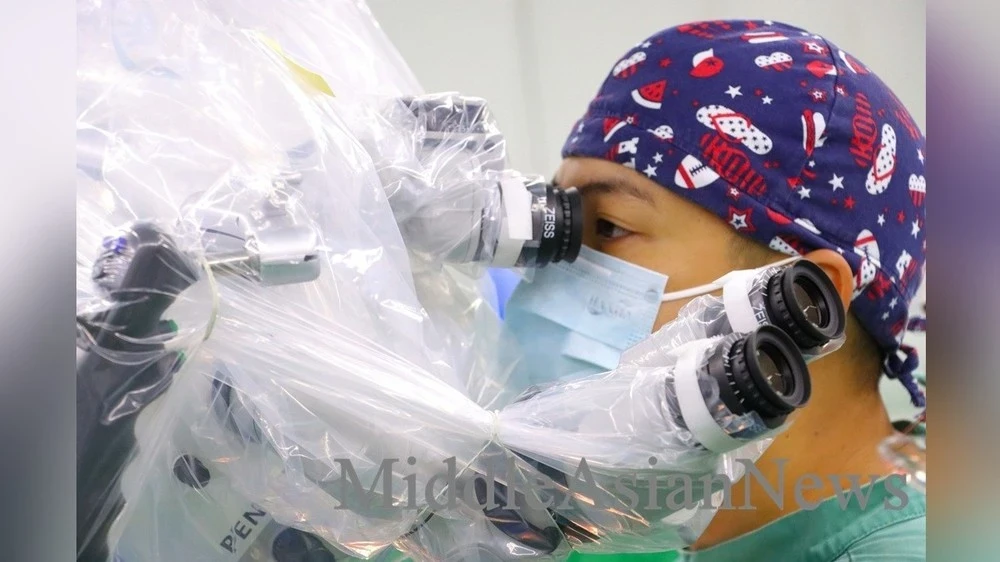
The surgery performed on patients with post-traumatic issues was conducted using a microscope, including the removal of the vertebral body through a lateral incision, the installation of an expander implant, and its fixation. This method provides numerous advantages, such as fewer scars, reduced pain, rapid recovery, and shorter hospital stays.
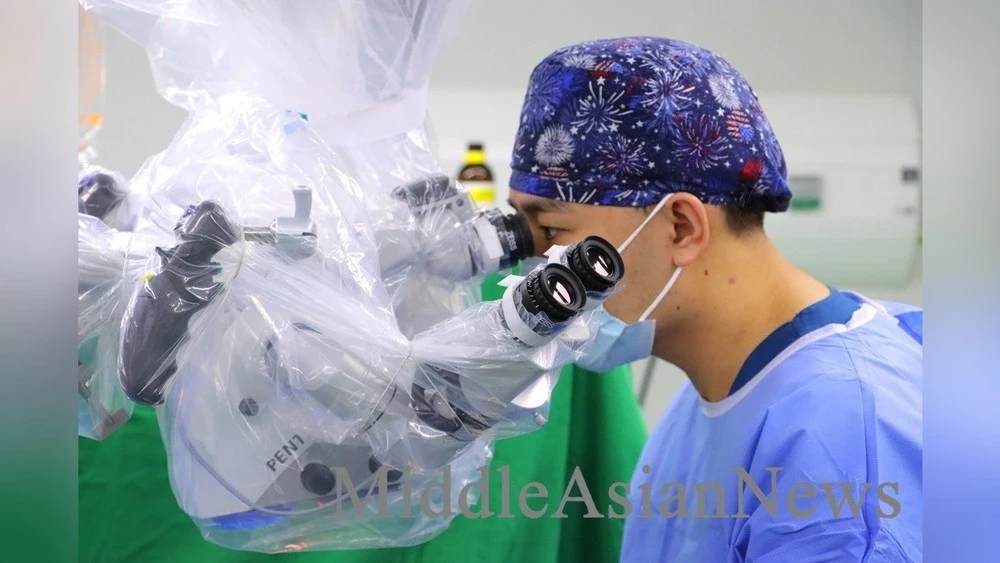
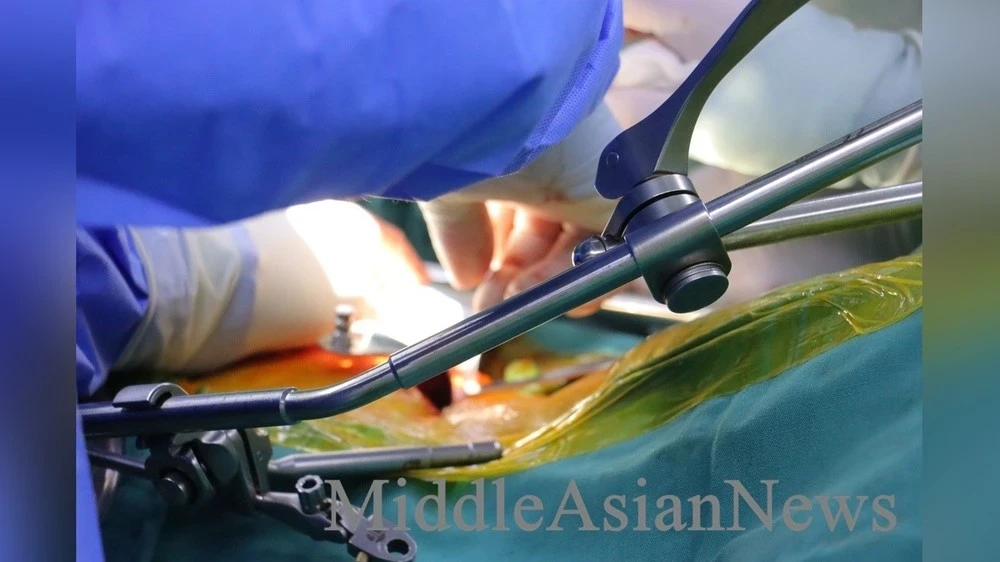
Microscopic spinal surgery is a method that uses specialized instruments and an operating microscope for the precise removal of disc herniations, nerve decompression in stenosis, and spinal stabilization through small incisions (2-3 cm), achieving high accuracy, minimal trauma, and rapid recovery while reducing risks compared to traditional open surgeries. Major procedures include microdiscectomy, laminectomy, and spinal fixation.
Tatar S.Maidar
source: MiddleAsianNews