Since 2021, a project has been underway to create a national network for cancer prevention and early diagnosis, which is financed with €10 million under a loan agreement between the government of Mongolia and the Republic of Austria.
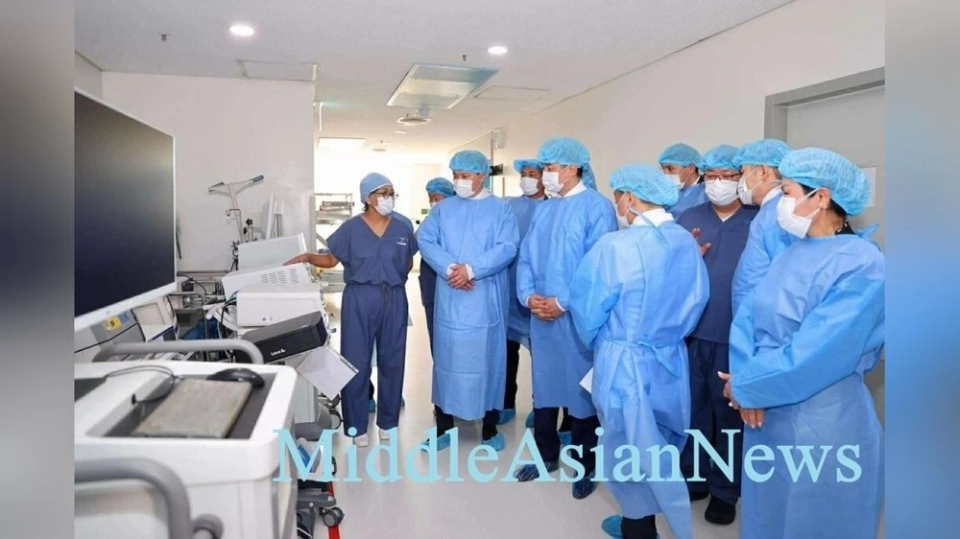
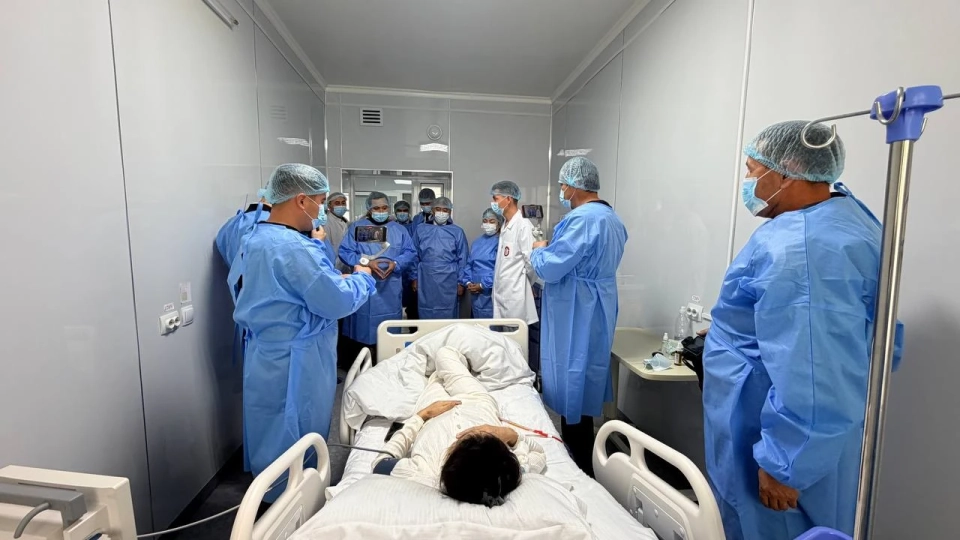
As part of this project, the National Oncology Center has received modern equipment, including magnetic resonance imaging (MRI) and computed tomography (CT) machines, an angiograph, and a digital mammograph with artificial intelligence support. This will enable early diagnosis and treatment of cancer at international standards.
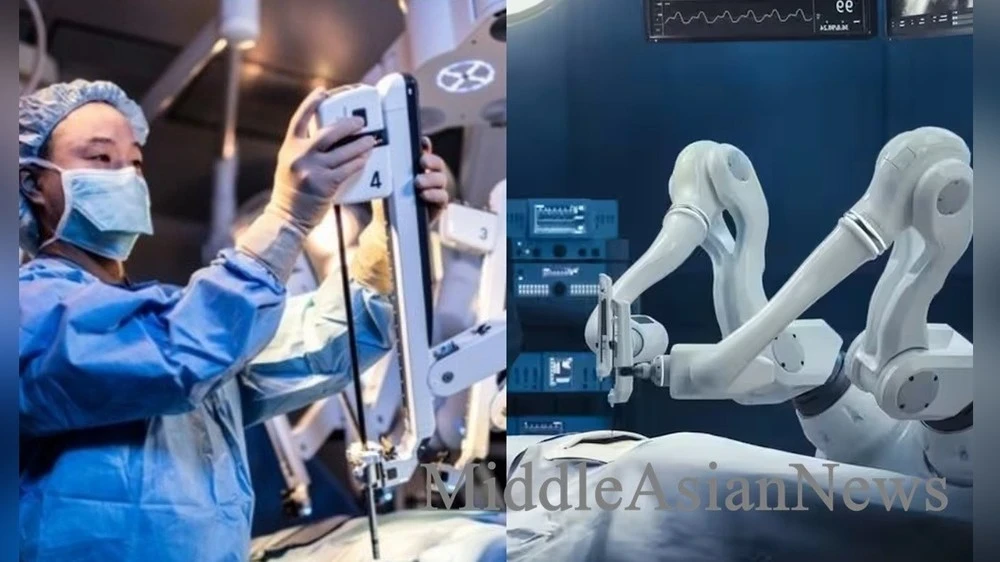
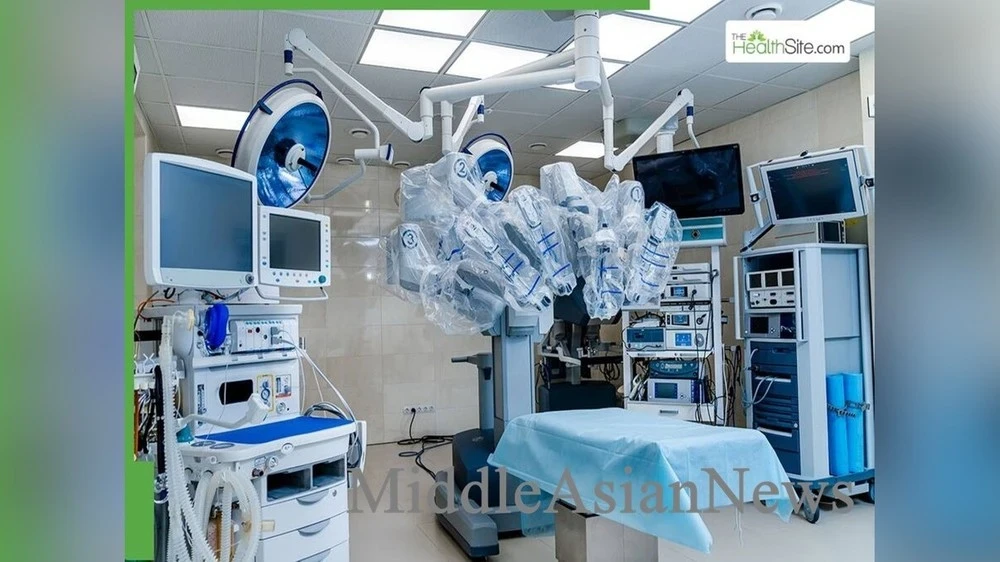
The National Oncology Center is preparing to launch robotic surgery, which will take place on December 28. In 2022, the center already implemented linear accelerator technology in the field of radiation therapy, increasing the availability of this method by 25 percent and advancing its development by 20 years.
Last year, the center began operations to remove deeply located brain tumors that were previously considered incurable in the country.
The first liver transplant from a living donor was performed in 2018 in collaboration with doctors from the Samsung Hospital in South Korea, and now the center's specialists carry out such operations independently.
An electronic registration system has been implemented at the center, linking 21 aimags and 9 districts of Ulaanbaatar with the National Oncology Center. This allows for the instant registration of patient diagnosis information, significantly speeding up the treatment initiation process.
Robotic surgery is a method where surgeons control operations using robotic instruments. It is not a replacement for the human profession, but an enhancement of technology that provides greater safety and better outcomes for patients. Robotic surgery was first applied in 1985 for cholecystectomy, and a true breakthrough occurred with the release of the da Vinci Surgical System, which was approved by the FDA in 2000 for prostate removal. Since then, this method has been used in various surgical procedures, including cardiac surgery.
Tatar S. Maidar
source: MiddleAsianNews