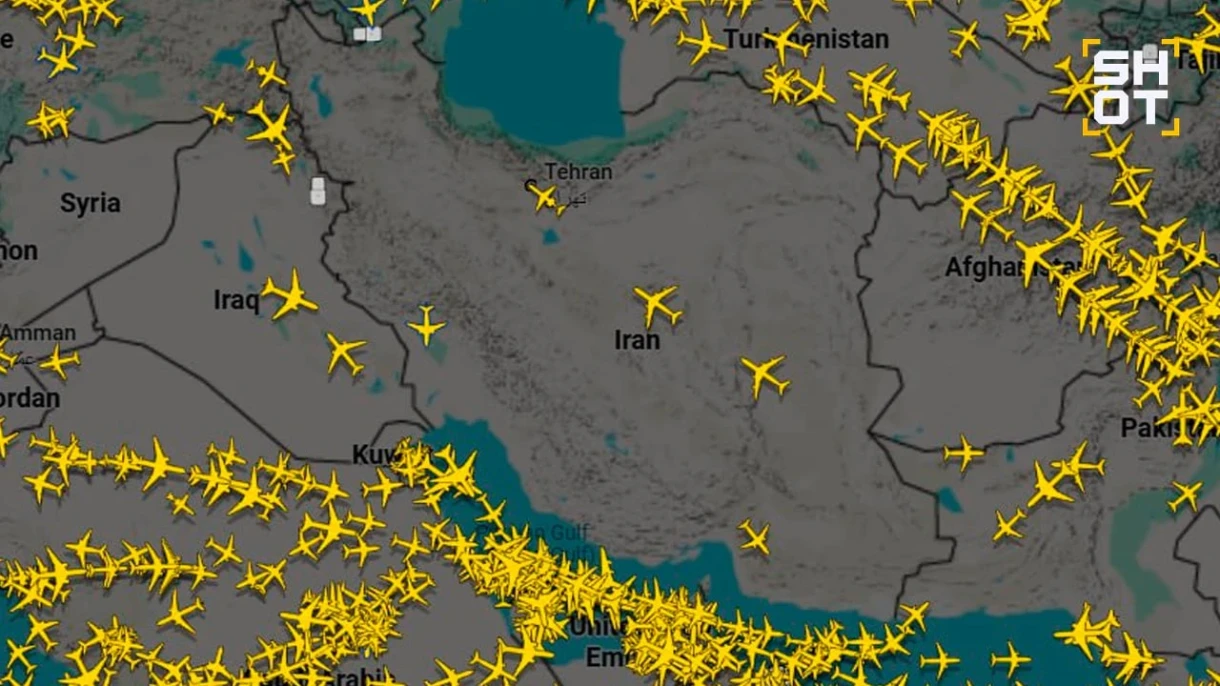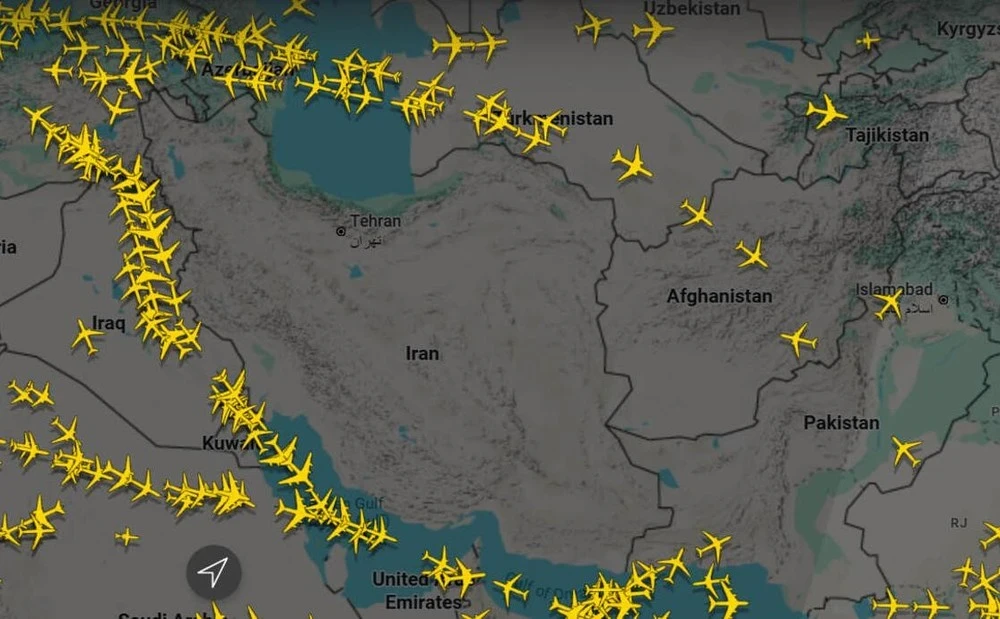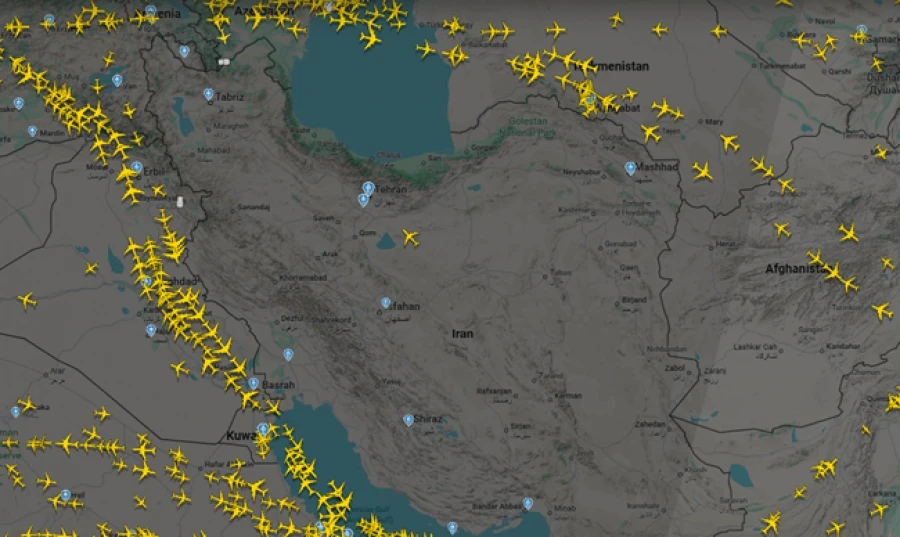
The EASA emphasized in its statement that this decision is based on the "high risk to civil aviation" in Iran. The agency noted that in light of the current situation and the potential threat of military action from the U.S., Iranian air defense forces are on heightened alert.
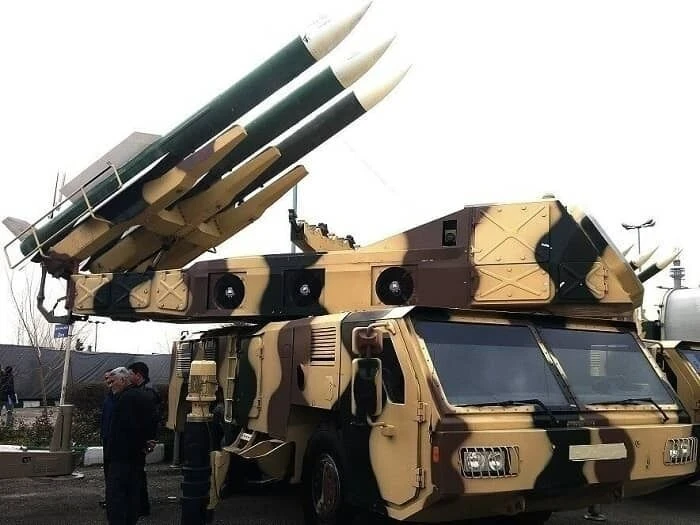
According to the EASA report, there is a high probability of misidentification of aerial objects in Iran. The unpredictable response of the authorities and the possibility of using various weapons and air defense systems create additional risks for civil air carriers.
The regulator also pointed out the possible retaliatory measures from Iran in the event of U.S. military intervention, which could affect the safety of the airspace of neighboring countries with American military bases.
Earlier, the Al Hadath channel reported on the decision of Iranian authorities to close the airspace at the border with Iraq, which sparked rumors of possible airstrikes from the U.S., as clarified by DW based on information from dpa. The White House press secretary added that only President Trump knows his intentions, and only a small circle of advisors is aware of his plans.
Additionally, the Ukrainian embassy in Iran informed about the temporary suspension of its operations due to the deteriorating security situation. Diplomats promised to inform about the resumption of activities later.
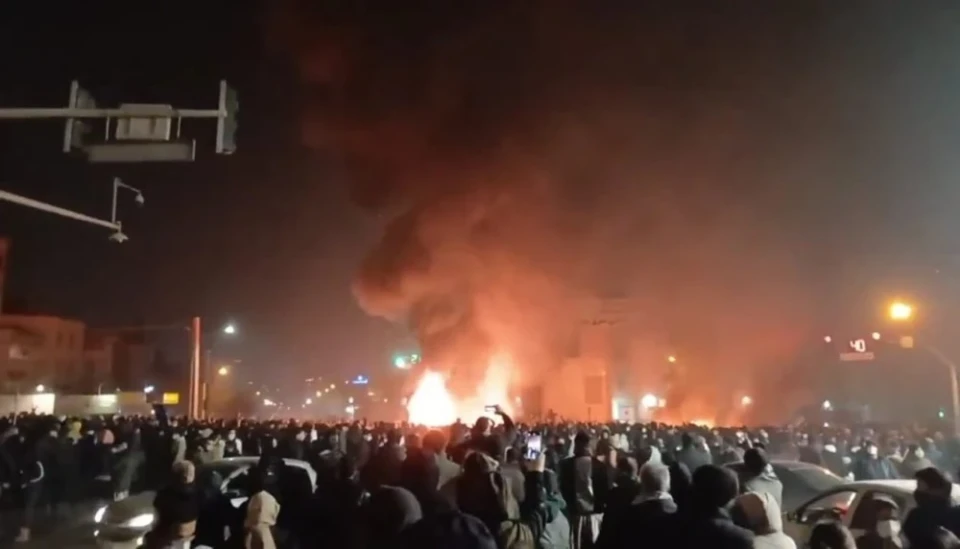
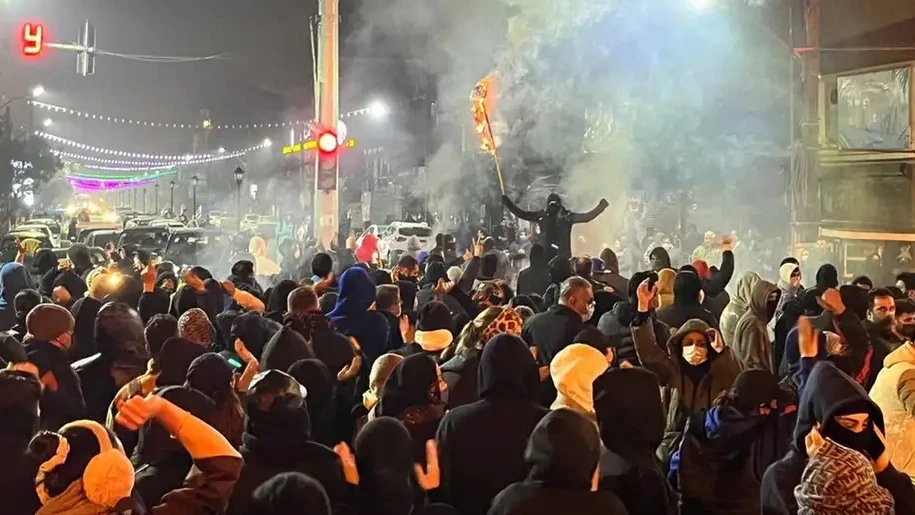
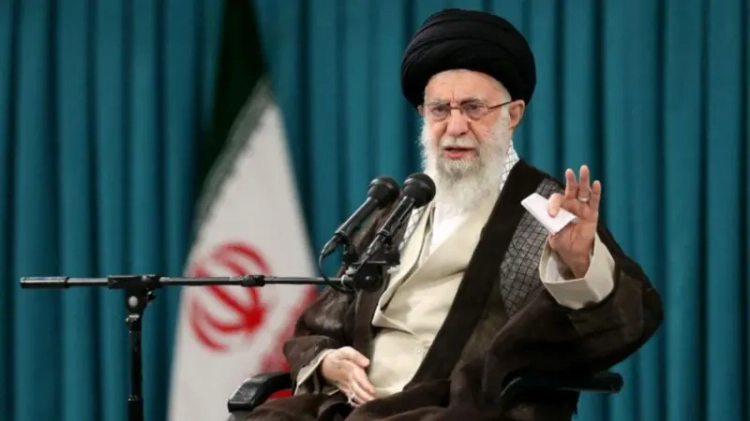
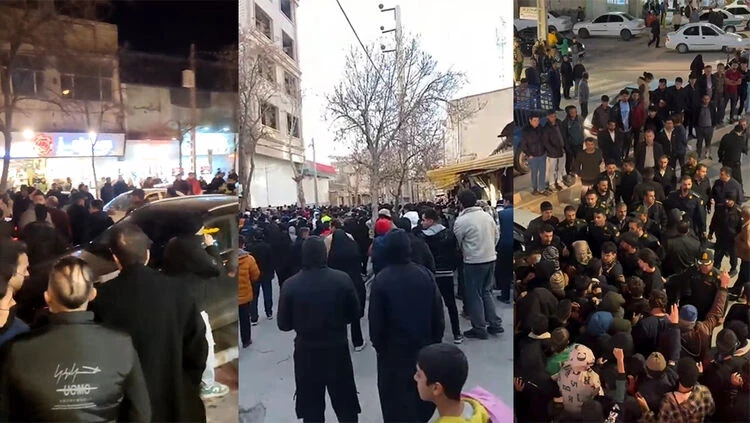
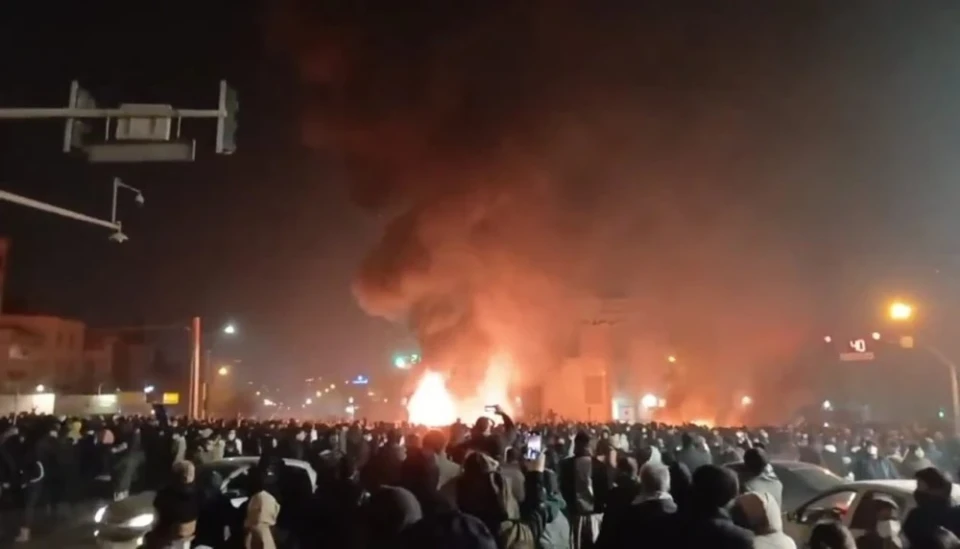
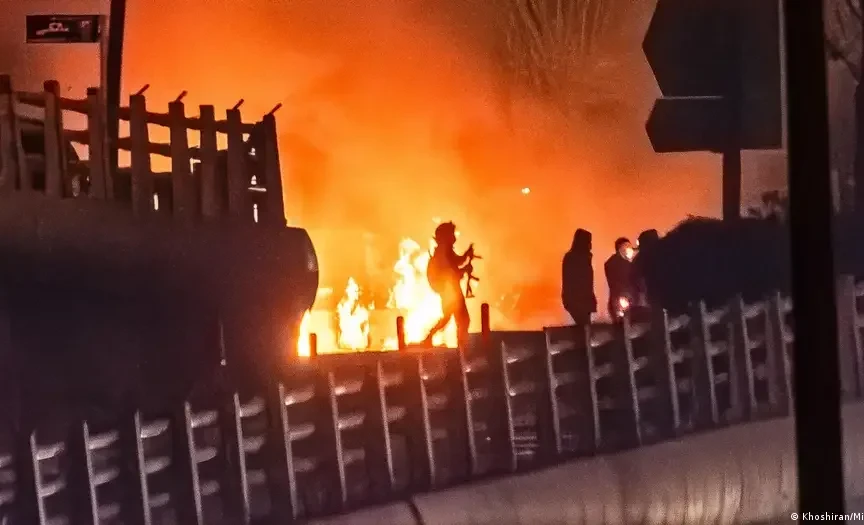
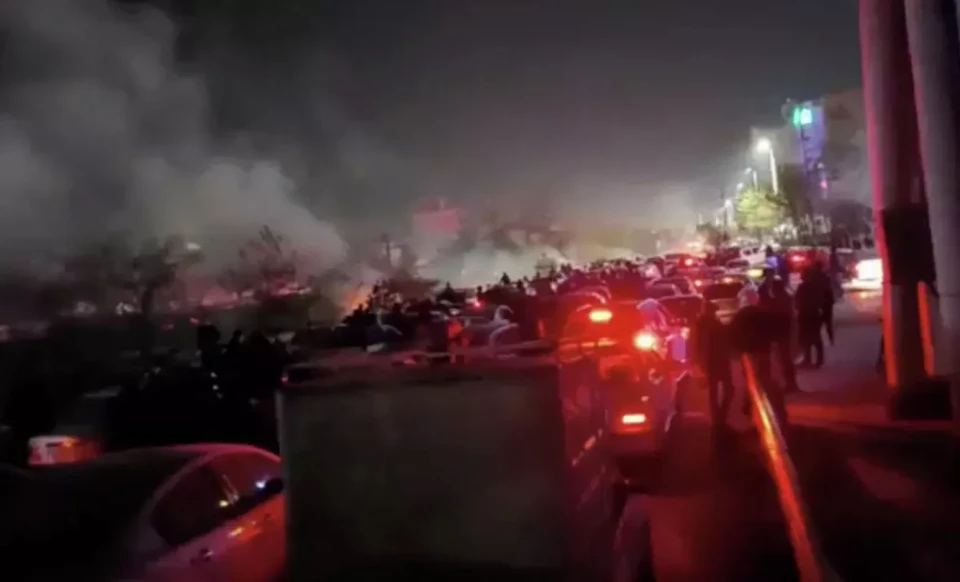
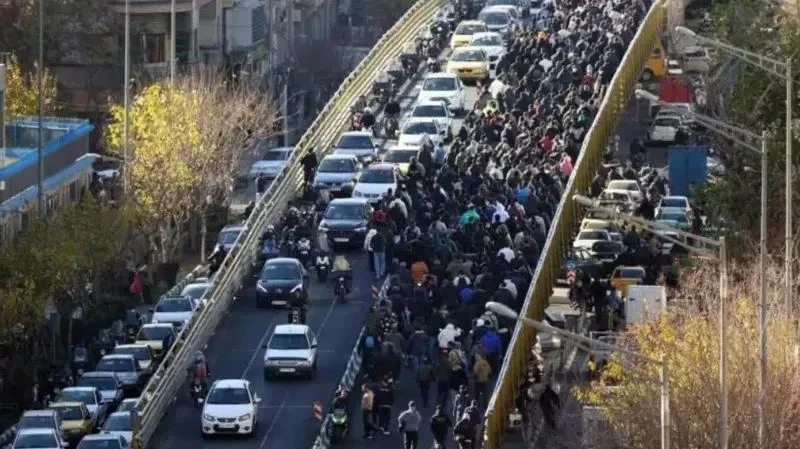
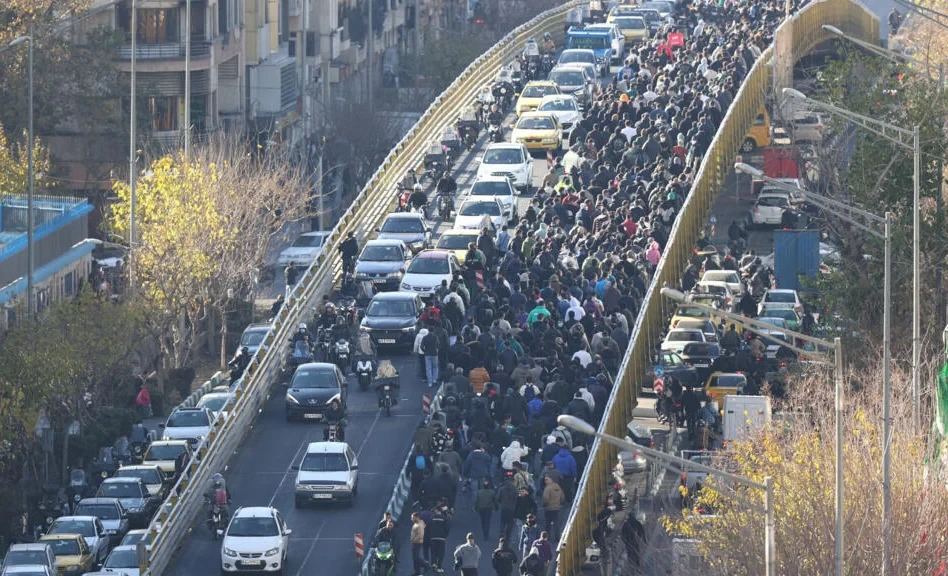
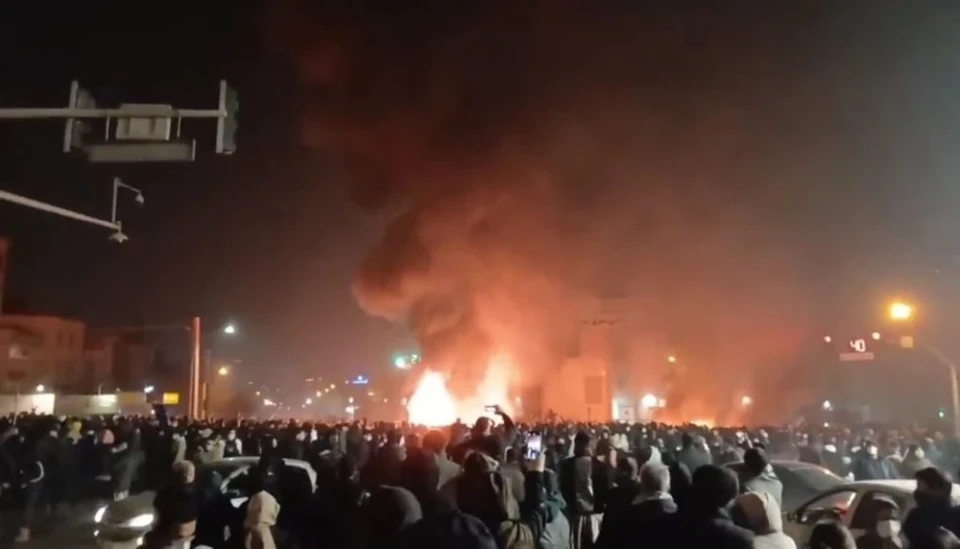
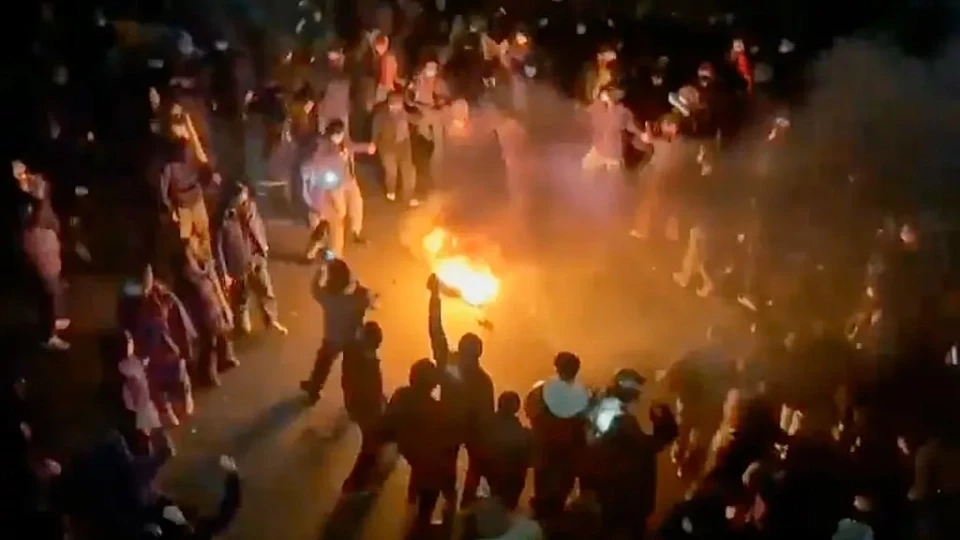
DW also reminds that protests in Iran began in late December 2025. Initially, they were triggered by economic difficulties, but soon participants began to make political demands, including calls for the overthrow of Ayatollah Ali Khamenei.
In several cities, protest actions escalated into riots. According to the human rights organization HRANA, at least 544 people died during the protests, and more than 10,600 were detained.