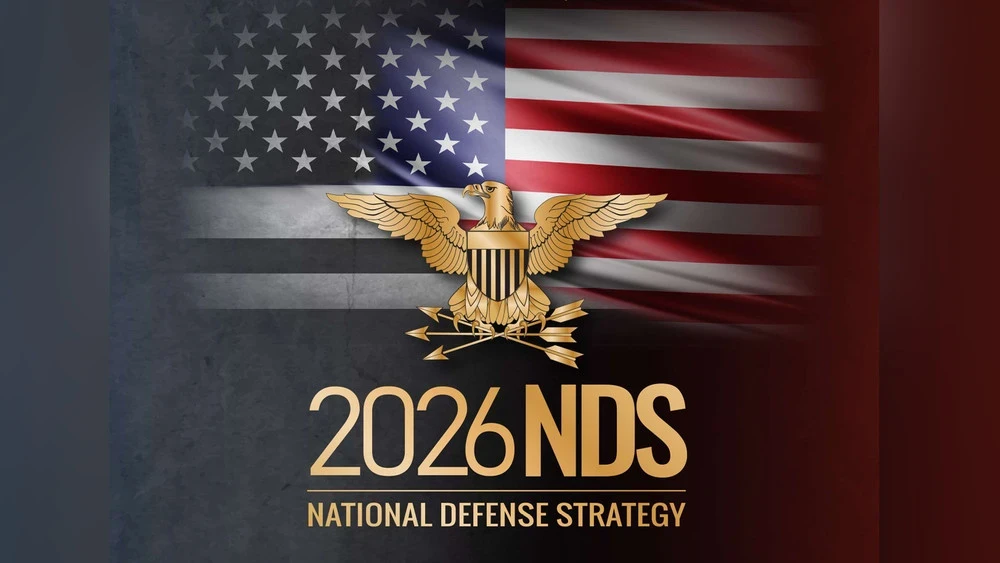
The new document states that by the beginning of 2025, the United States will face a deterioration in both global and regional security, an increase in China's influence, a weakening of alliance mechanisms, as well as threats in the Western Hemisphere and the possibility of simultaneous major conflicts. The strategy emphasizes focusing resources on key aspects of security.
Key points of the strategy:
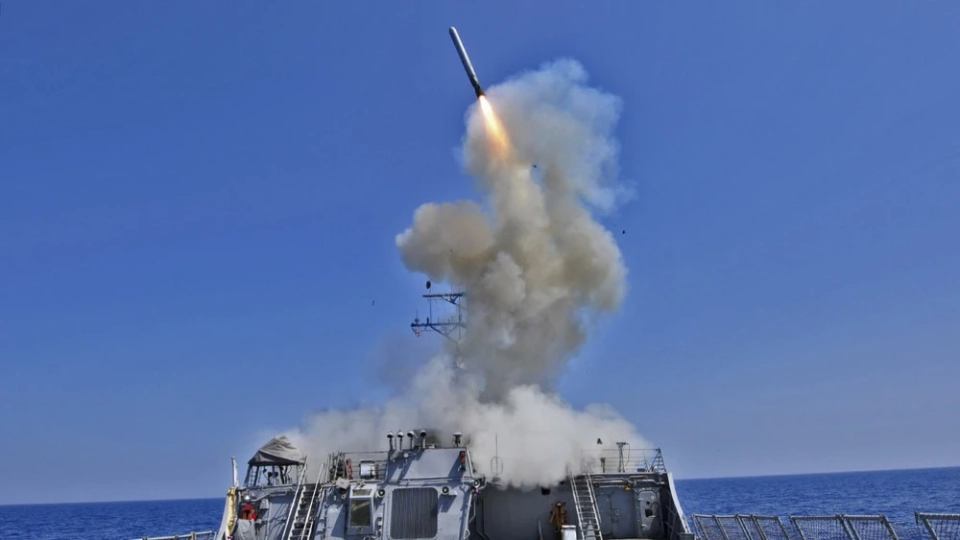
- Protection of U.S. territory: strengthening border security, air and maritime space, developing missile and drone defense systems, maintaining nuclear deterrence, cyber defense, and countering international terrorism. Special attention is given to protecting U.S. interests in the Western Hemisphere, including access to the Panama Canal and Greenland.
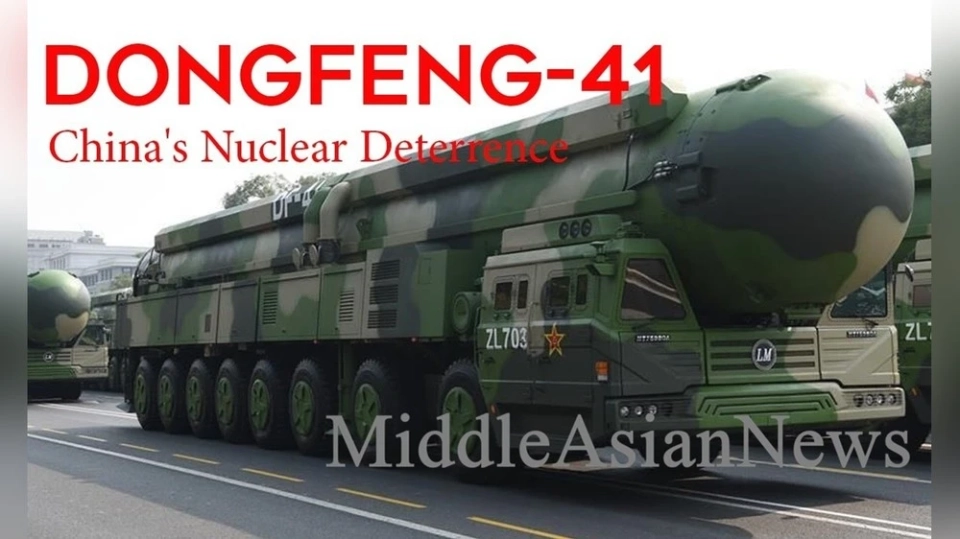
- Deterring China in the Indo-Pacific region: creating a balance of power without direct conflict, strengthening defense along the First Island Chain, developing military ties with China to prevent escalation, and actively cooperating with regional allies.
- Redistributing responsibilities among allies: U.S. allies and partners must take a more active role in ensuring their own security. A benchmark has been set for defense spending at 5% of GDP (where 3.5% is for military expenses and 1.5% is for security-related costs).
- Developing the defense industrial base: accelerating the restoration and expansion of American defense production, implementing new technologies, including artificial intelligence, removing regulatory barriers, and collaborating with the industry of allies.
The Pentagon emphasizes that the implementation of this strategy aims to reduce the risk of major conflicts and ensure long-term security for both the U.S. and its partners.