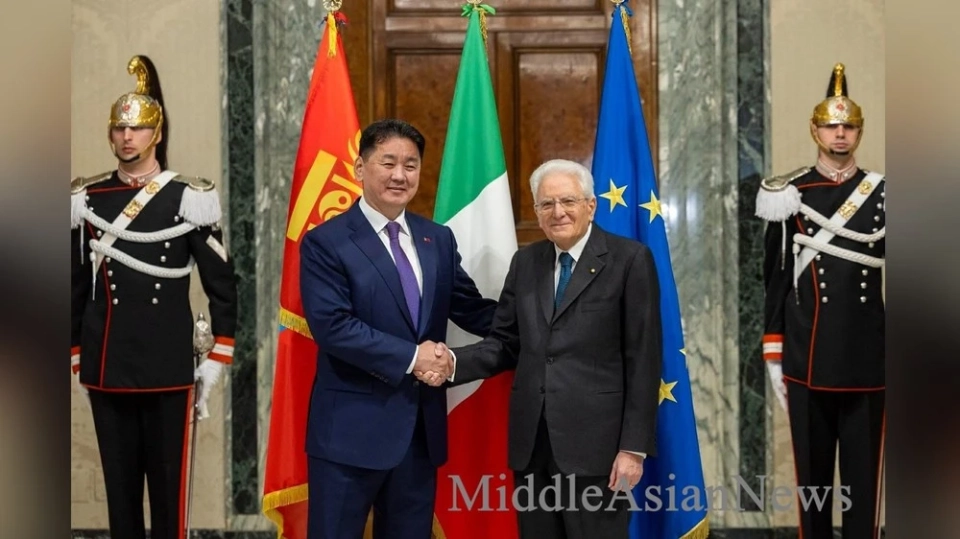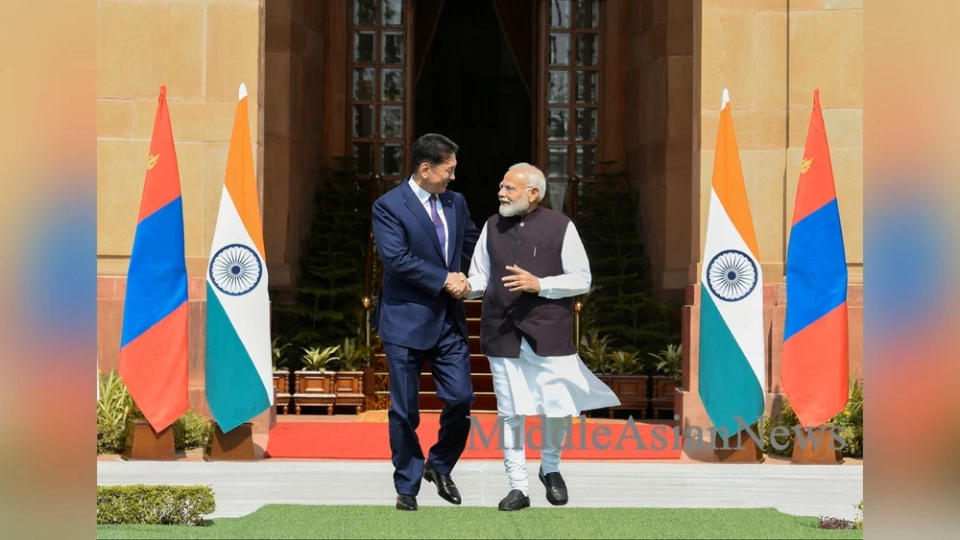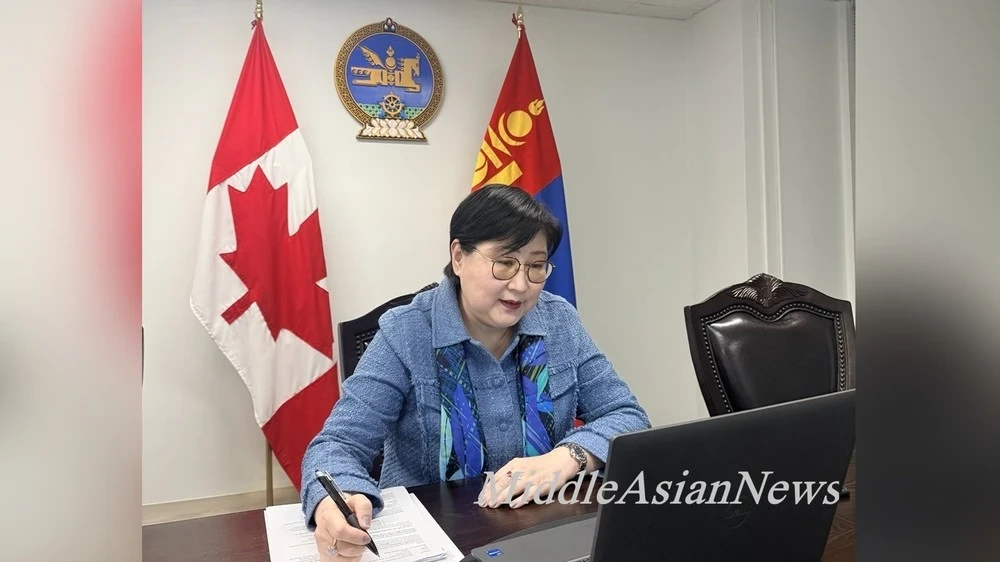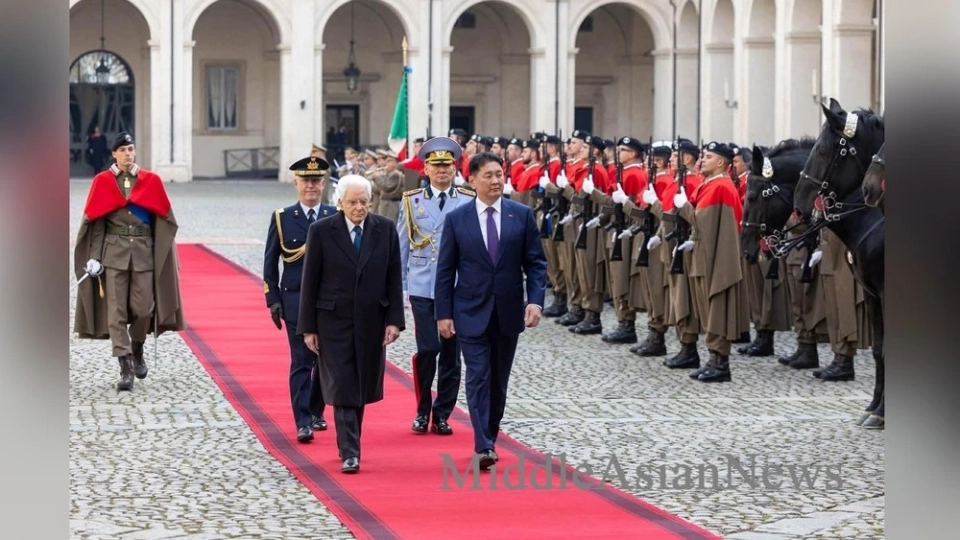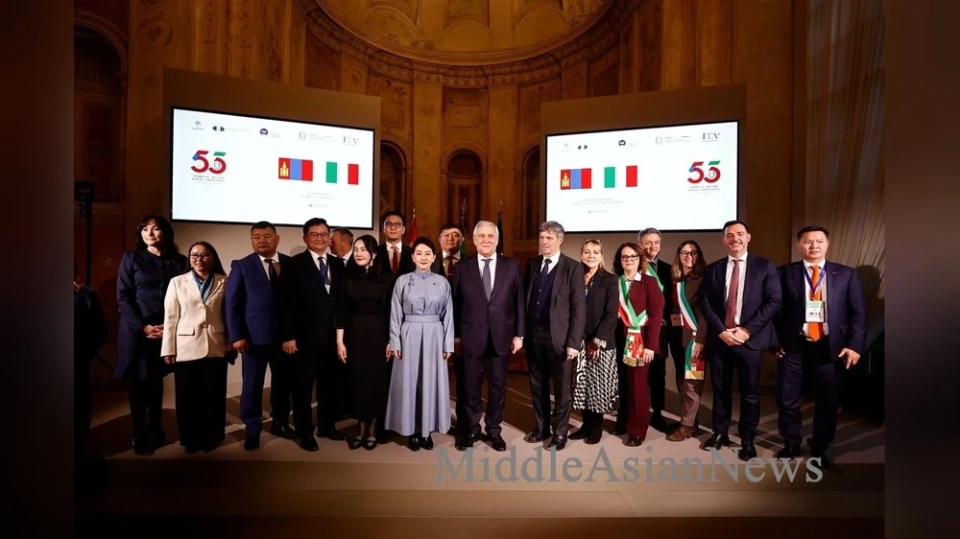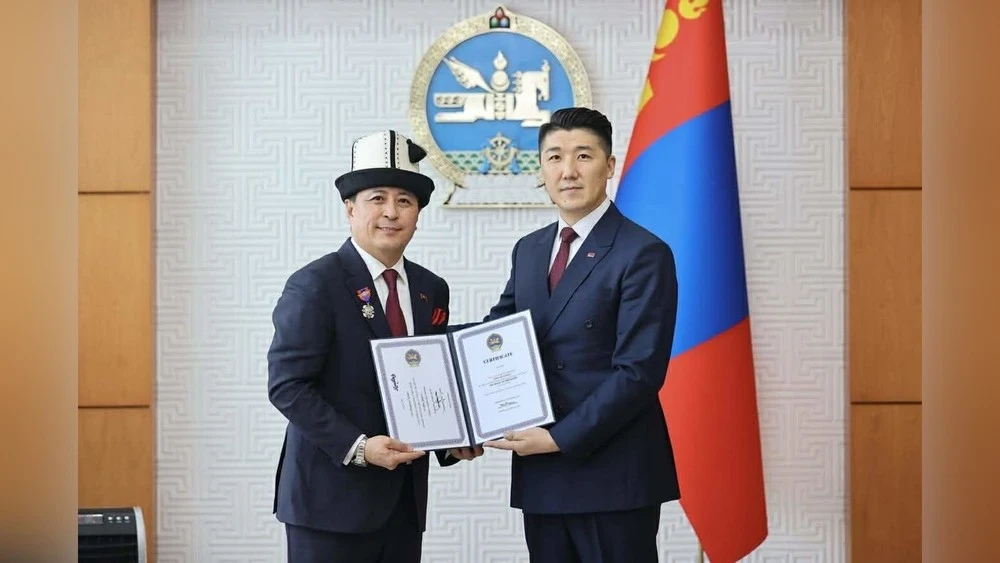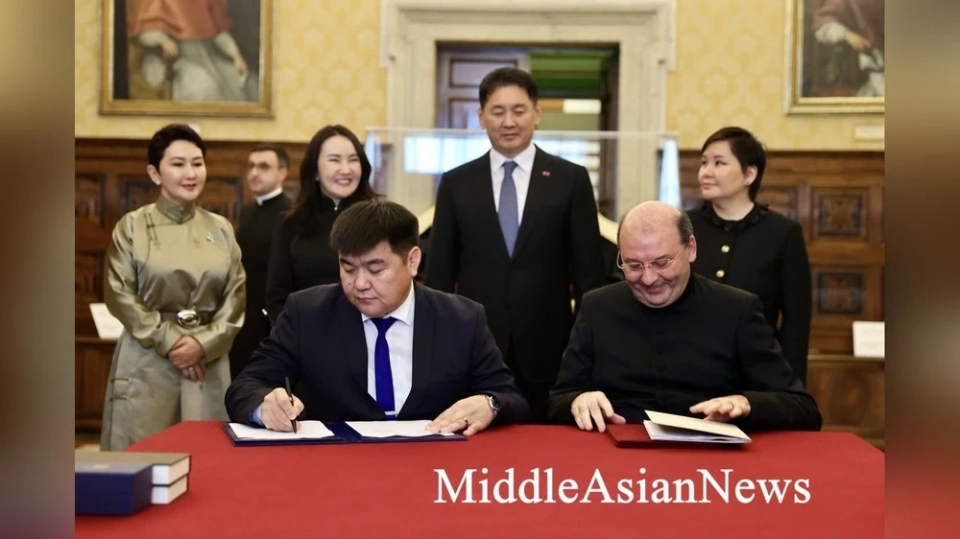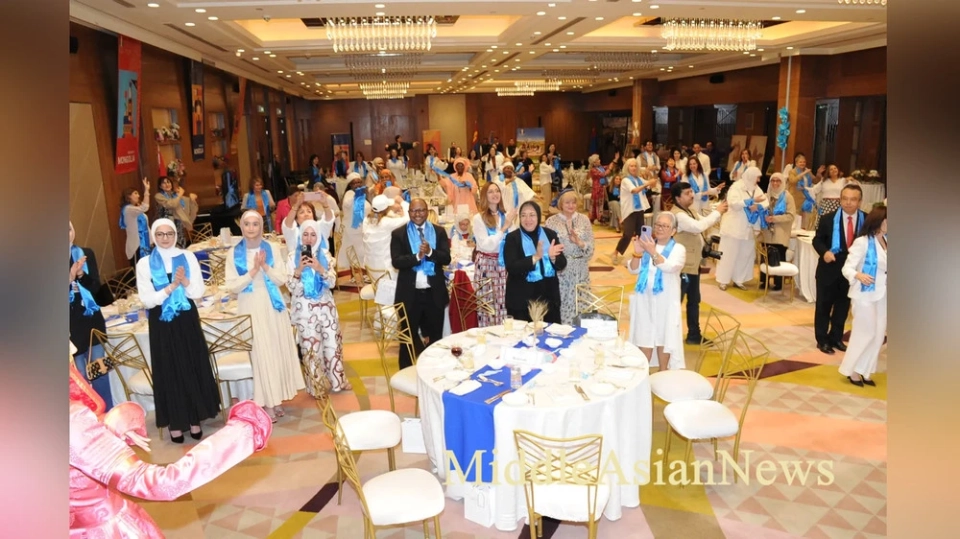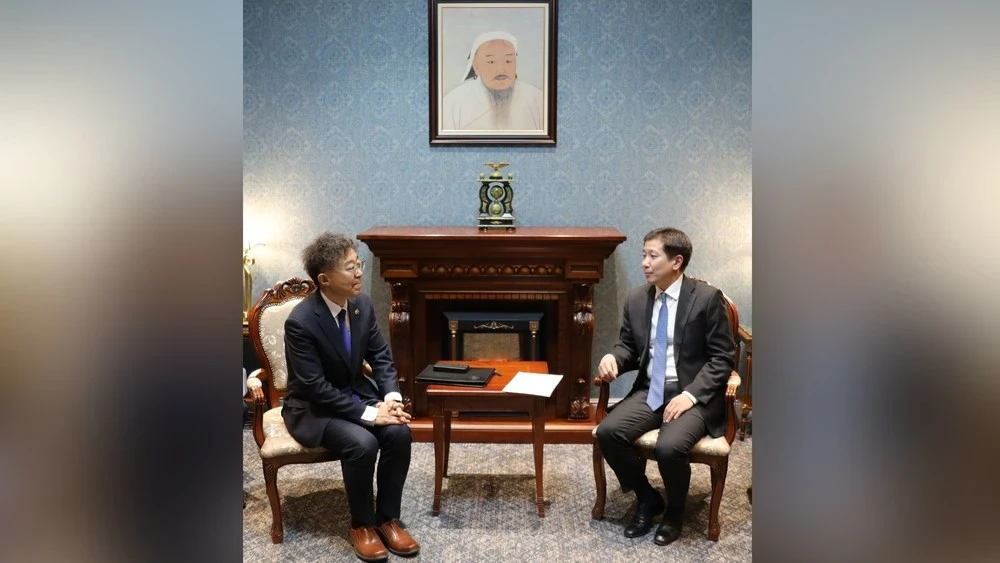
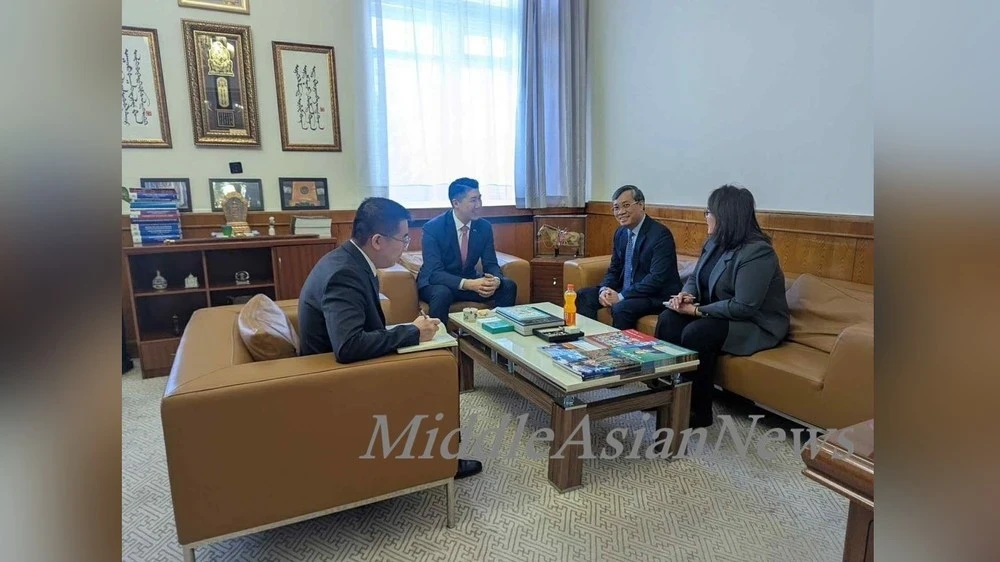
At a meeting with the Extraordinary and Plenipotentiary Ambassador of the Socialist Republic of Vietnam in Mongolia, Nguyen Duan Thanh, the President's Advisor on Foreign Policy, Odbayar Erdenetsogt, discussed issues of bilateral cooperation. This was reported by MiddleAsianNews.
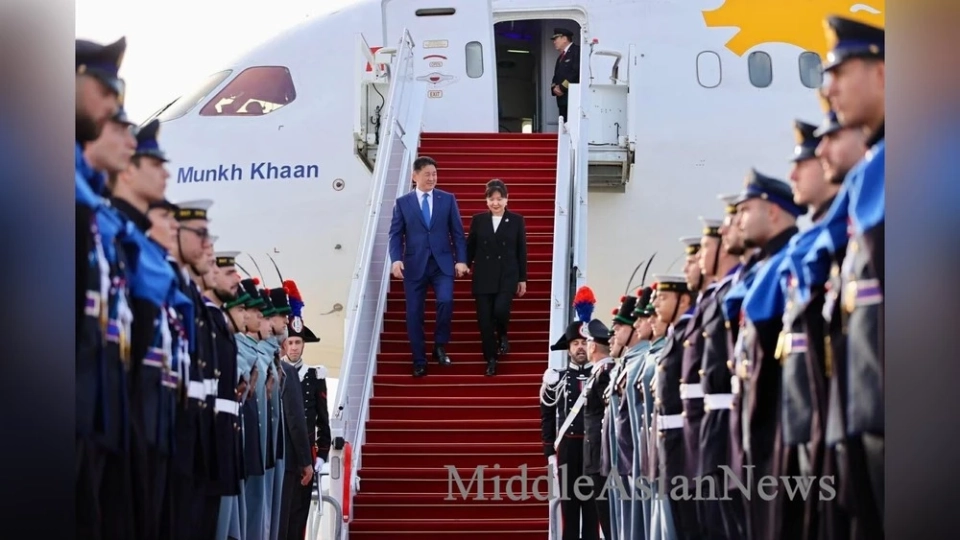
During the meeting, the parties reviewed the implementation of agreements reached during the visits of the President of Mongolia, Khurelsukh Ukhna, to Vietnam in 2023 and the President of Vietnam, To Lam, to Mongolia in 2024. As a result of these state visits, numerous cooperation agreements were signed between the governments, ministries, and other organizations of the two countries.
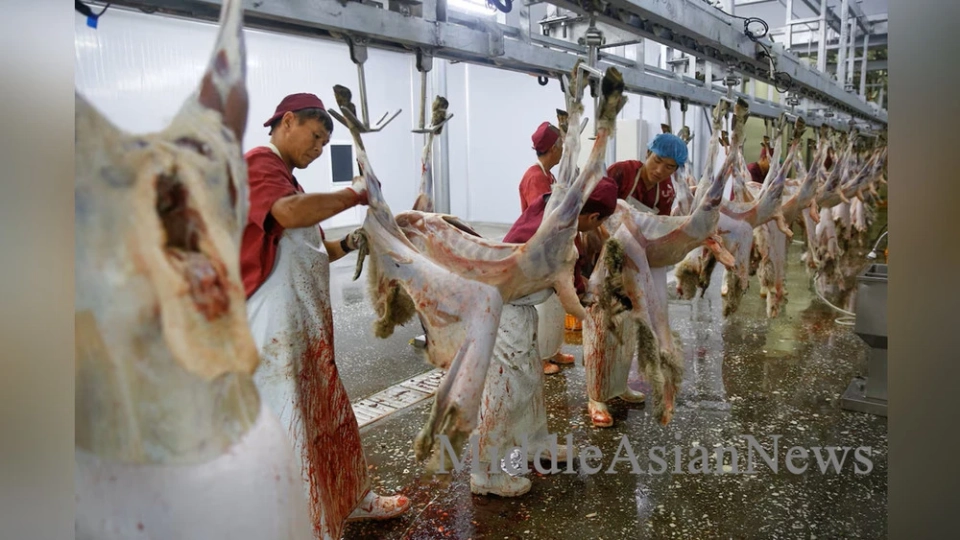
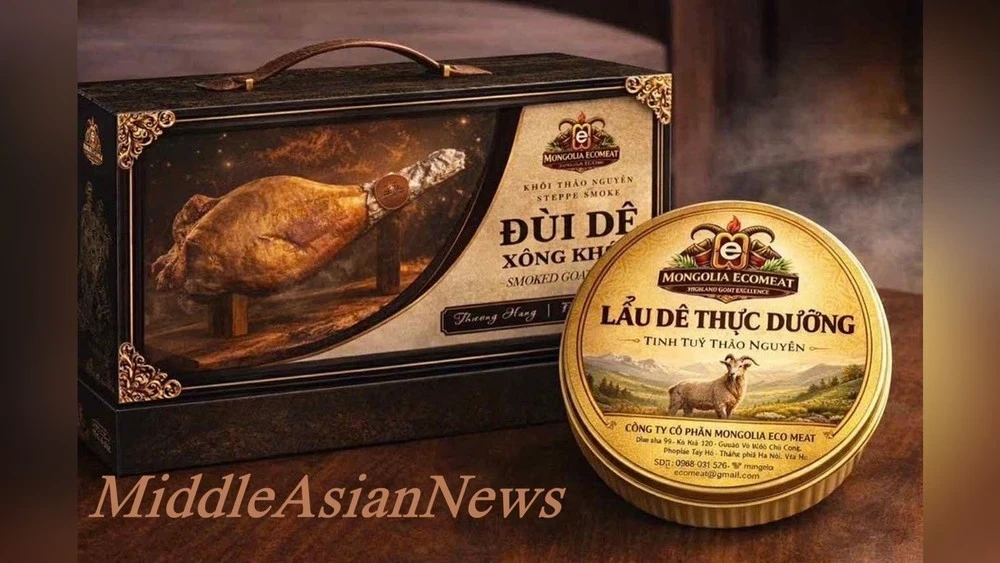
As part of cooperation in the agro-industrial sector, Mongolia exported 100 tons of goat meat to Vietnam last year.
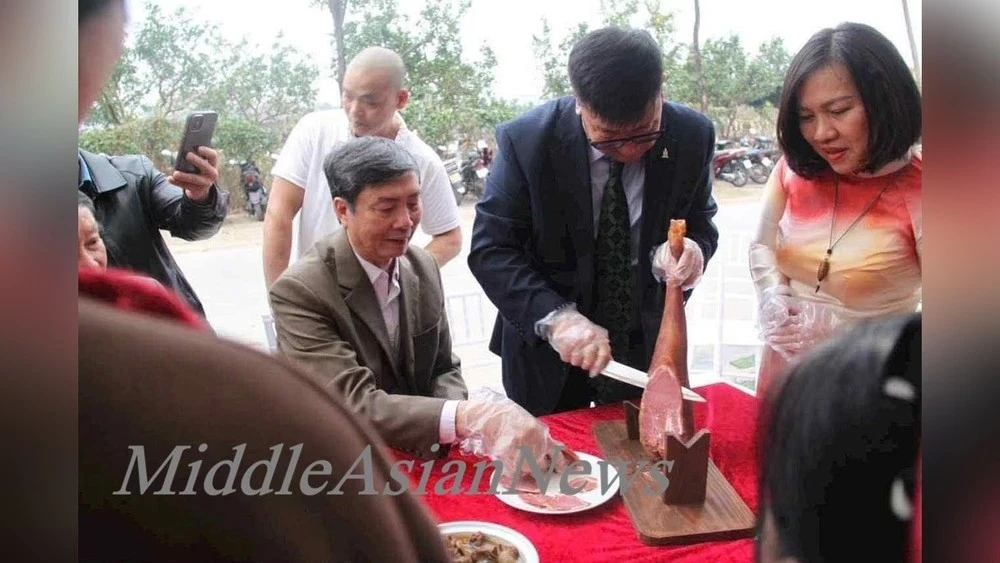
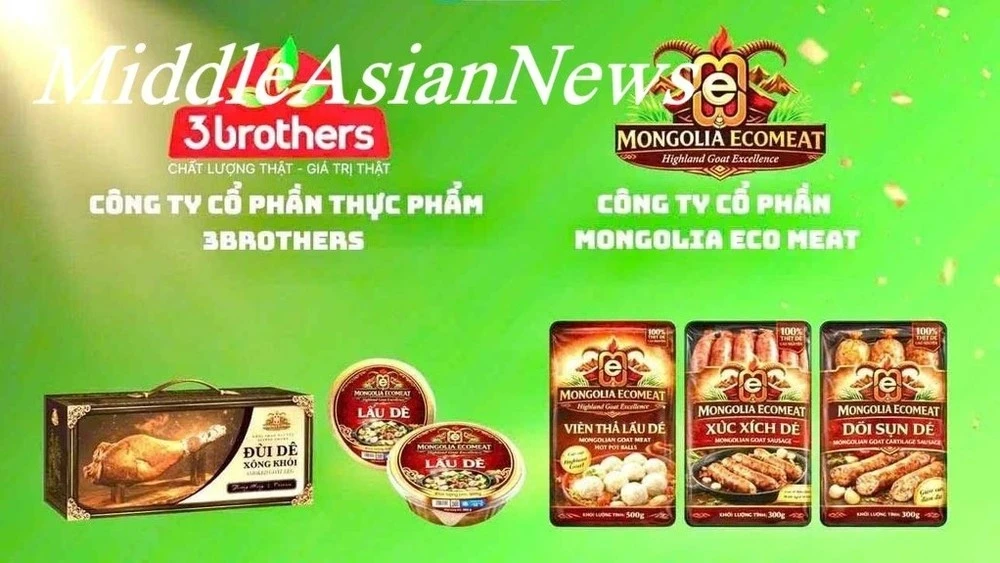
Ambassador Nguyen Duan Thanh reported that production of four types of products made from goat meat imported from Mongolia has already begun in Vietnam.
During the meeting, the prospects for activating joint work planned after the official visit were also discussed, as well as deepening cooperation in areas such as economy, trade, culture, and education.
Goat meat, which comes from domestic goats (Capra hircus), is one of the most sought-after types of red meat in Mongolia. It is a dietary product with low calorie content and high levels of protein and amino acids, making it suitable for various types of culinary processing.
In terms of taste characteristics, goat meat is comparable to lamb; it has a moderately salty flavor, unlike the sweet taste of beef. Young goat meat is distinguished by its light pink color, while the meat of older animals has a brick-red hue and darkens when exposed to air. Goat fat is characterized by its pure white color.
Goat meat is a source of B vitamins, as well as pantothenic, folic, para-aminobenzoic acids, and choline. In terms of vitamin A, B1, and B2 content, goat meat significantly surpasses the meat of other agricultural animals.