The agency promised to continue implementing restrictive measures to ensure compliance with legislation and protect citizens' rights. Earlier, the RBC publication reported a partial slowdown in Telegram's operation, citing its sources. Since the beginning of February 10, there have been reports of an increase in complaints about malfunctions in the messenger, reaching over 11,000 according to Downdetector.
Since the beginning of 2026, the Tagansky District Court of Moscow has registered seven administrative cases against Telegram for refusing to remove prohibited content, as reported by TASS. The protocols were drawn up under the article concerning the refusal to delete materials related to "extremist" activities or containing pornographic images. Sotavision reports on eight such protocols, the consideration of which will begin on February 11.
The founder of Telegram, Pavel Durov, characterized the restrictions as "a violation of citizens' freedom." He noted that Russians are beginning to face difficulties accessing Telegram to force them to switch to state-controlled applications intended for surveillance and political censorship.
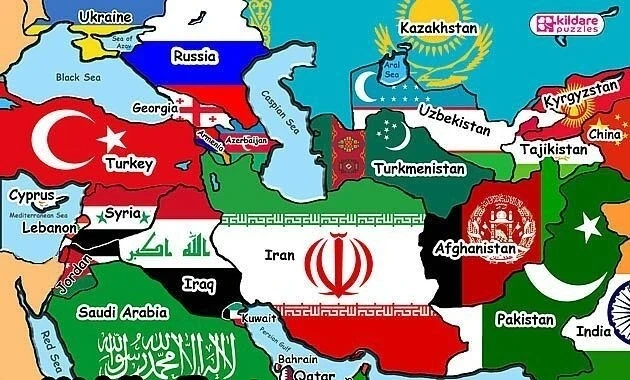
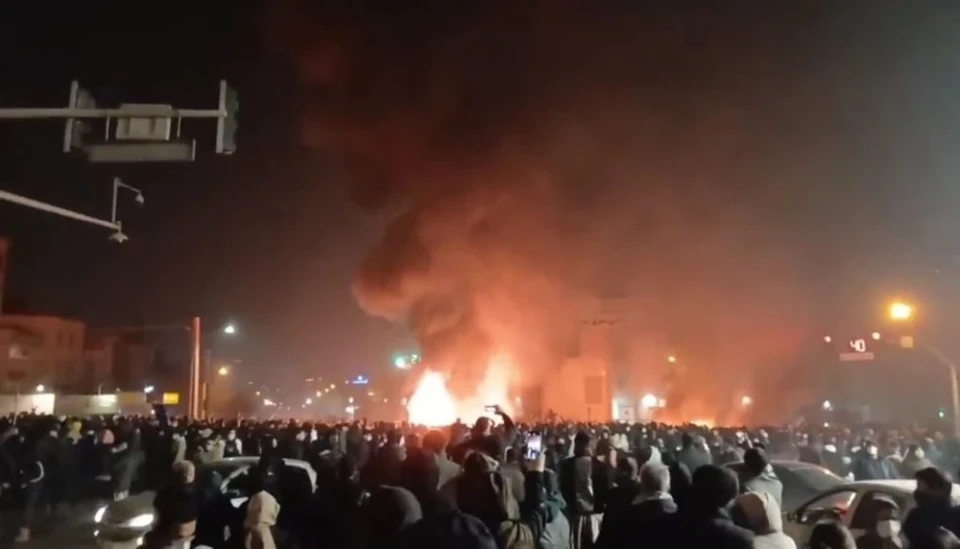
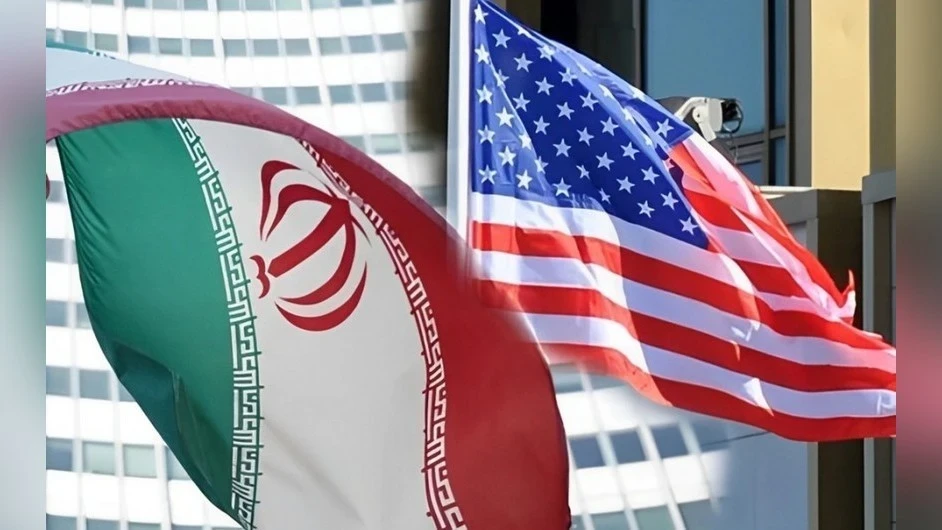
Durov emphasized: "The restriction of citizens' freedom can never be justified. Telegram stands for freedom of speech and the protection of privacy, despite any pressures." In his message, he also cited the example of Iran, where authorities attempted to restrict access to Telegram eight years ago under the pretext of security, offering residents to switch to a state application. Nevertheless, Iranians continue to use the messenger and bypass censorship, Durov claims.
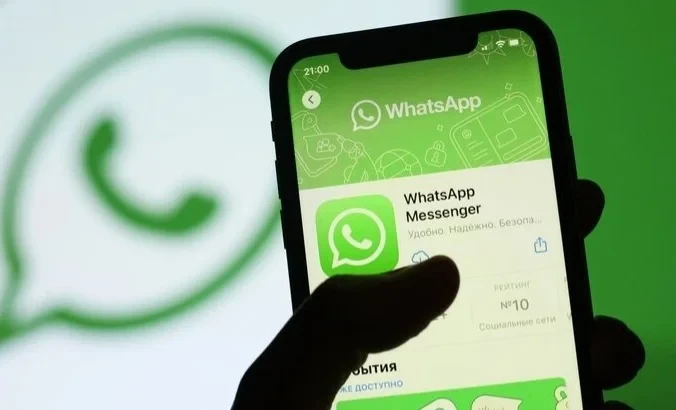
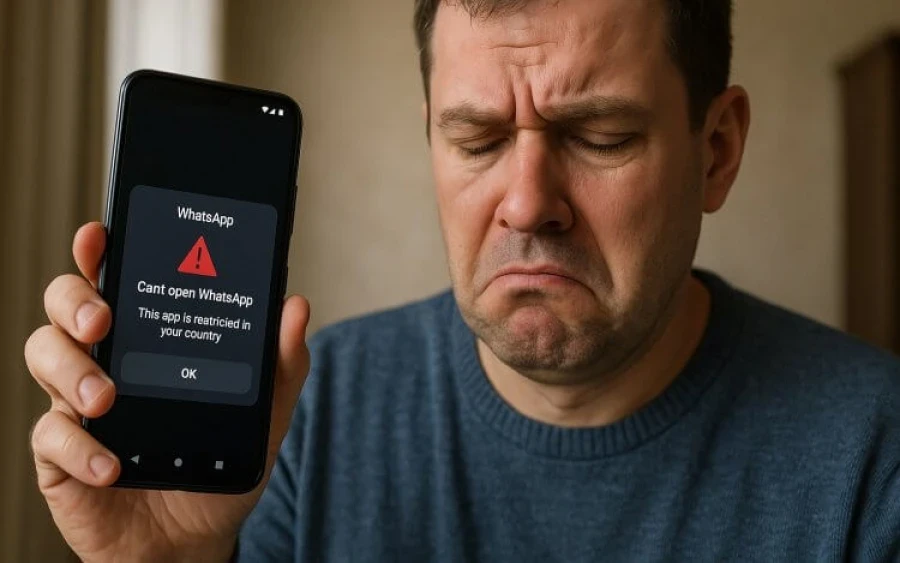
Since August 2025, voice call functions through WhatsApp and Telegram have been blocked in Russia. Roskomnadzor links these measures to the use of messengers by terrorists and fraudsters. In October, the agency reported the beginning of partial restrictions on Telegram and WhatsApp to combat fraud.