Alexander Zuev, Acting Under-Secretary-General for Counter-Terrorism, noted that the use of digital technologies requires consideration of both opportunities and risks, as well as respect for human rights.
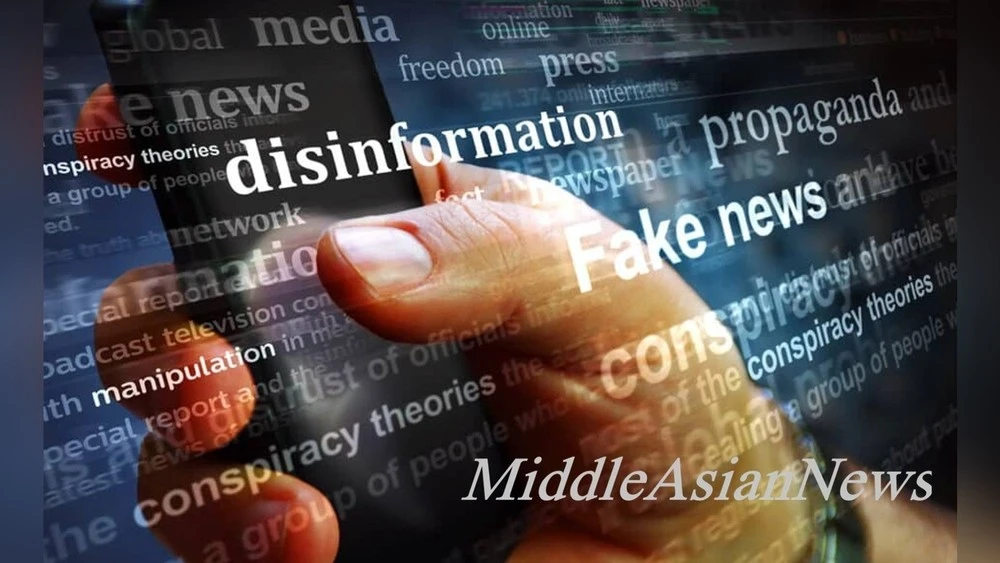
He emphasized the importance of artificial intelligence, stating: "This technology opens new horizons for preventing threats - from early detection of unsafe narratives to more targeted response measures that take into account community perspectives. At the same time, it can be used to spread misinformation, myths, and extremist content, which is particularly dangerous for youth."
UN representatives added that the organization is strengthening support for states in the face of new digital challenges.
"This includes new areas of work related to artificial intelligence and online gaming," he added.These initiatives, according to Zuev, serve as a complement to traditional methods of combating misinformation and radicalization among youth.
In response to a question about the reintegration of former militants, he highlighted the importance of adhering to legal norms. In such situations, investigations must be conducted to ensure that those responsible for crimes are held accountable in accordance with national and international standards.
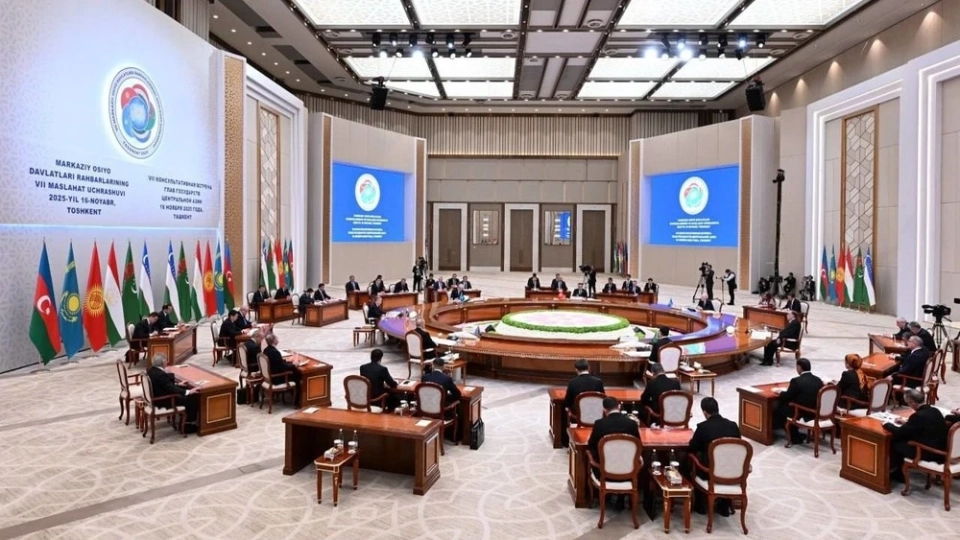
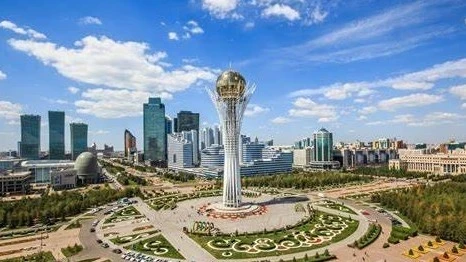
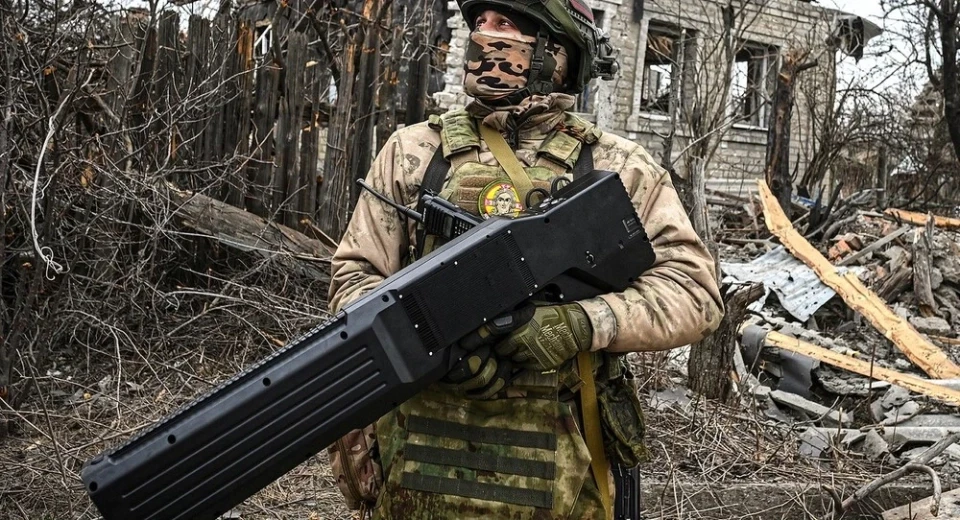
He also drew attention to the situation of women and children associated with militants. As an example, he mentioned Central Asian countries, including Kazakhstan and Uzbekistan, which, according to him, are actively working on the reintegration and social rehabilitation of families of former militants, as among the recruited are citizens of these states.
The International Day aims to unite countries, UN system organizations, and a wide range of partners—from civil society and religious leaders to science and business—to enhance collective resolve to counter conditions conducive to terrorism.
The main page features an illustration: Unsplash/F. Katzenberger.