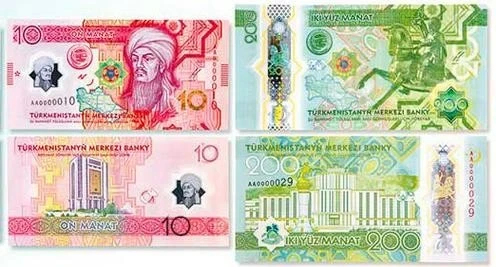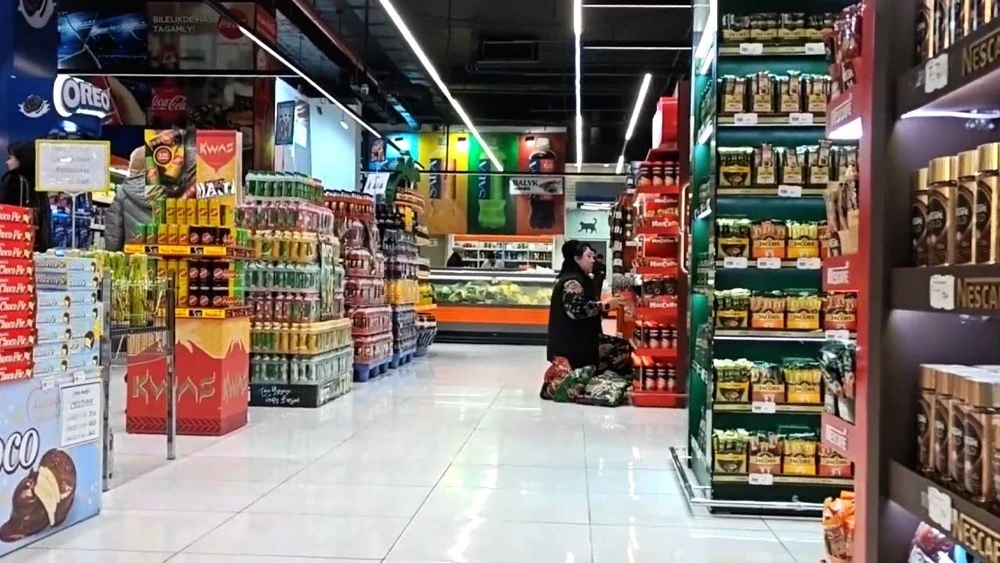
The military actions in Iran have caused a rise in prices in Turkmenistan. The most noticeable increase has been in food prices: the cost of potatoes imported from Iran in Ashgabat has nearly tripled — from 5–6 to 17 manats per kilogram. Cucumbers now cost 17 manats instead of the previous 8.
Prices for citrus fruits have also significantly increased: oranges have risen from 9 to 18 manats, and tangerines from 12 to 22 manats. Apples, which previously cost about 10 manats, are now sold for 17 manats per kilogram.
In addition to food items, residents of Turkmenistan are noticing an increase in prices for household chemicals. For example, liquid laundry detergents Comfort and Persil have become more expensive by 10–15 manats. Prices for dishwashing detergents under the brands AVE, Persil, and Test have increased by 20–60%. Sellers warn of dwindling supplies and the potential for further price increases.
Cigarette prices have also risen by an average of 35–40%. A pack of Kent cigarettes, which previously cost 60–65 manats, now costs 85–90 manats. ESSE cigarettes have increased from 50–55 to 80 manats, while Marlboro has nearly doubled, from 95 to 170 manats.
Building materials such as cement, metal, and wood have also increased in price by 40%. This is due to the fact that many of them were supplied from the United Arab Emirates through Iran, and in the context of the conflict, entrepreneurs are seeking new delivery routes through Georgia and Azerbaijan.
Experts point out that Turkmenistan is heavily dependent on imports of Iranian goods, which are considered to be of higher quality compared to local alternatives.
Such price spikes are not new for the country — similar situations were observed during the 12-day war in the region in the summer and fall of 2024, when Iran temporarily closed its borders. However, the authorities of Turkmenistan have yet to present long-term strategies to overcome such crises.