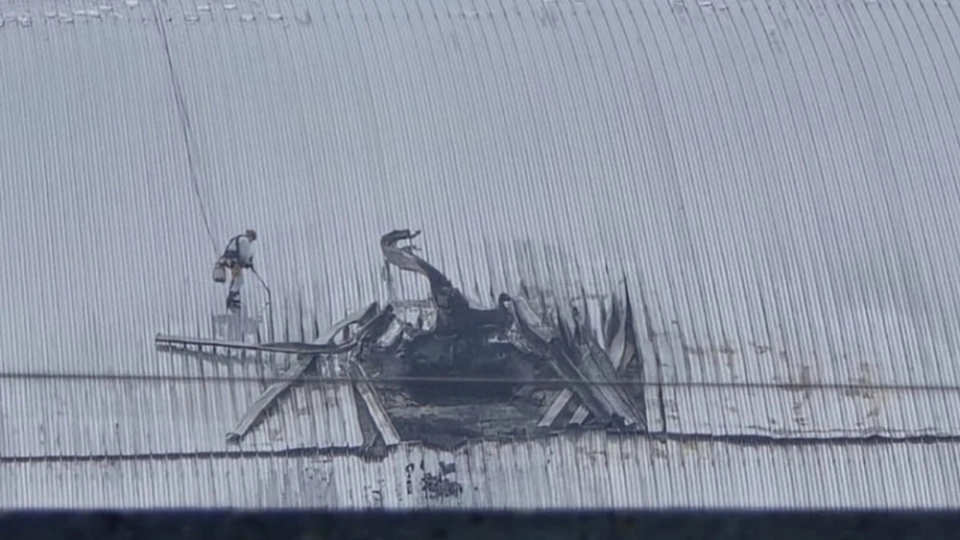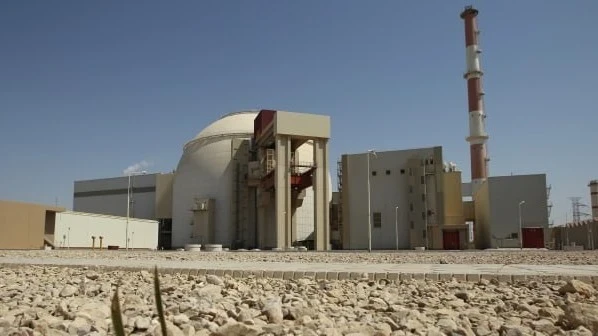
According to information provided by the Atomic Energy Organization of Iran, no injuries or damages have been reported as a result of the incident.
The organization emphasizes that such actions contradict international norms and could have serious consequences for the entire region.
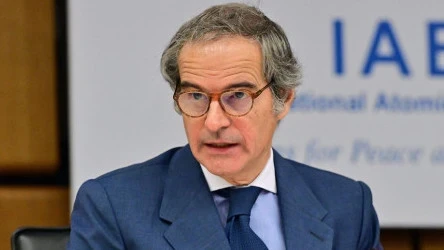
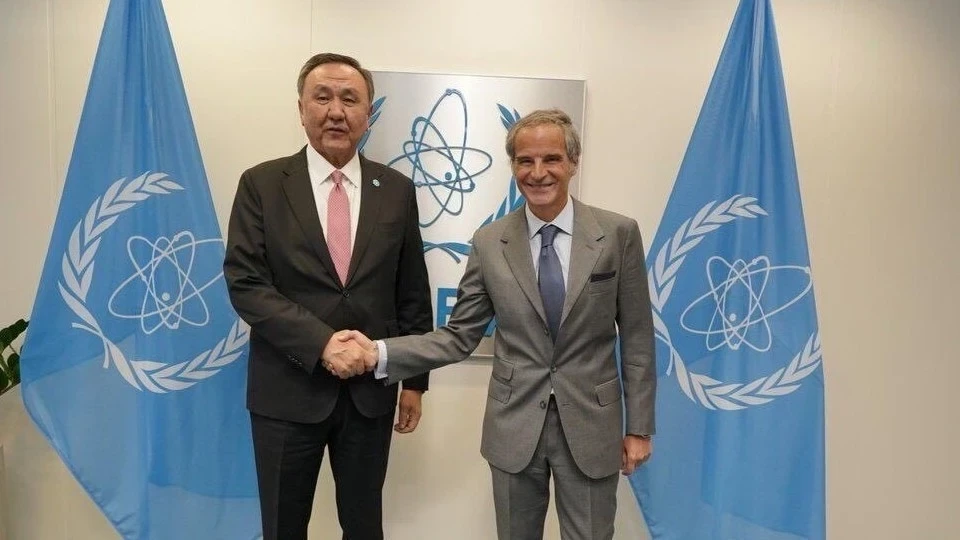
The International Atomic Energy Agency (IAEA) confirmed receipt of data from Iran regarding a projectile hitting the building of the Bushehr nuclear power plant. IAEA Director General Rafael Grossi called for "maximum restraint in the context of the conflict to avoid the risk of a nuclear accident."
Alexey Likhachev, head of Rosatom, characterized strikes on operational nuclear facilities as "a flagrant disregard for fundamental rules of international security." He expressed strong condemnation of the incident and urged all parties to the conflict to "make efforts to de-escalate the situation" around the nuclear power plant.
According to Likhachev, the attack on the territory of the plant was recorded at 18:11 Moscow time. Rosatom personnel were not harmed, and the radiation level at the nuclear power plant remains within normal limits. Currently, about 480 Russian specialists are working at the plant, and preparations are underway for a third wave of employee evacuation.
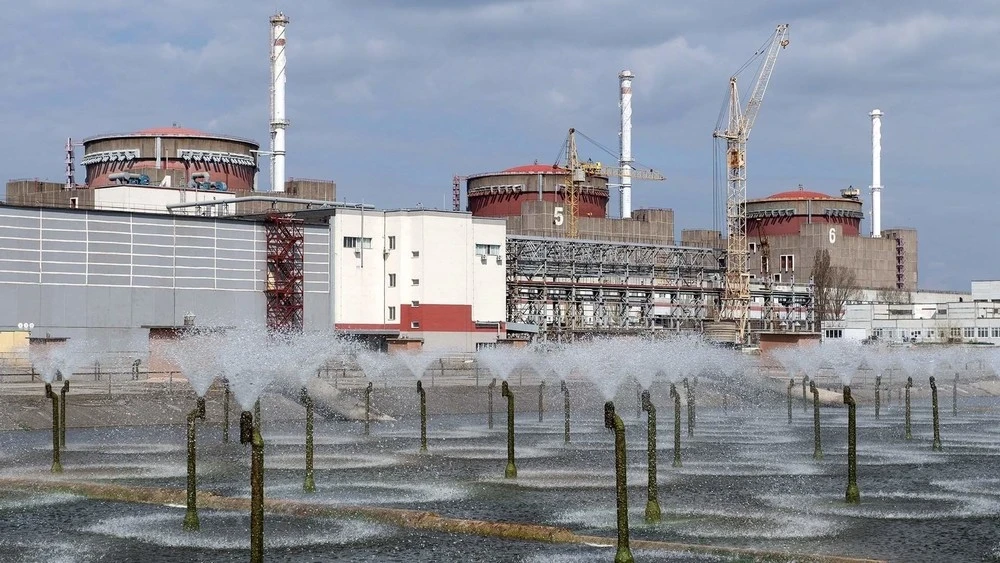
The Bushehr nuclear power plant became the first nuclear power station built in Iran. Construction began in 1975, but after a freeze, it resumed only in 1995 with the involvement of Rosatom. The first power unit with a capacity of 1000 MW was commissioned in 2013, and construction of the second unit began in 2016.
Employees of Rosatom are working at the Bushehr nuclear power plant under an agreement between Russia and Iran for the construction of new units. Following the onset of strikes by the U.S. and Israel against Iran, the Russian state corporation began the process of evacuating its specialists.