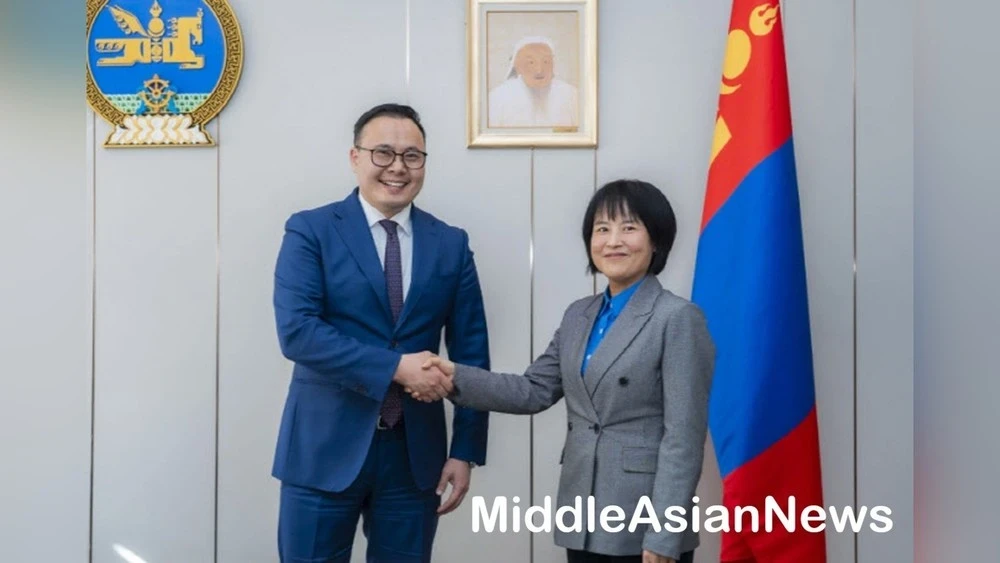
On Tuesday, the Ministry of Trade of South Korea announced that the country and Mongolia are actively discussing ways to accelerate negotiations on the bilateral Comprehensive Economic Partnership Agreement (CEPA). This agreement is expected to significantly strengthen cooperation in the field of mineral extraction between the two countries.
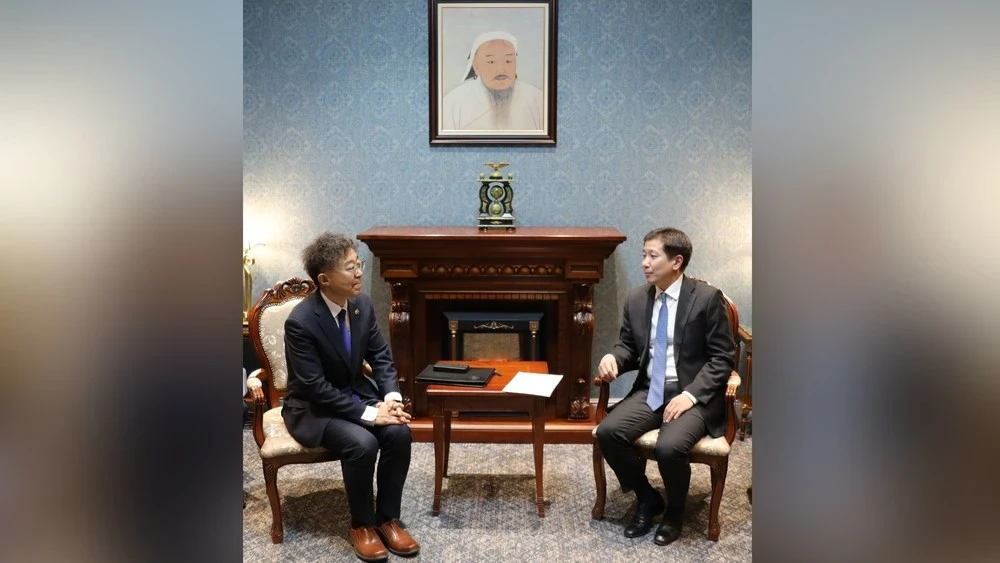
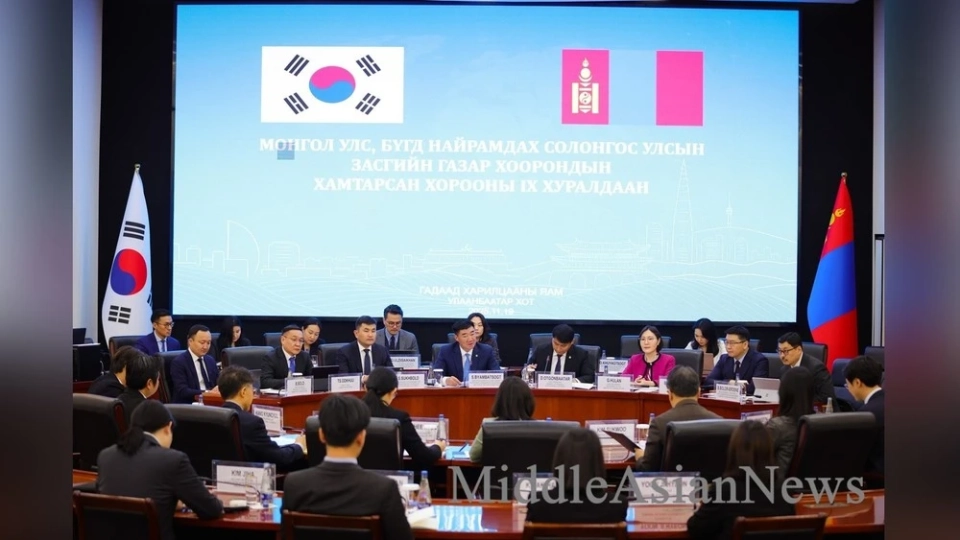
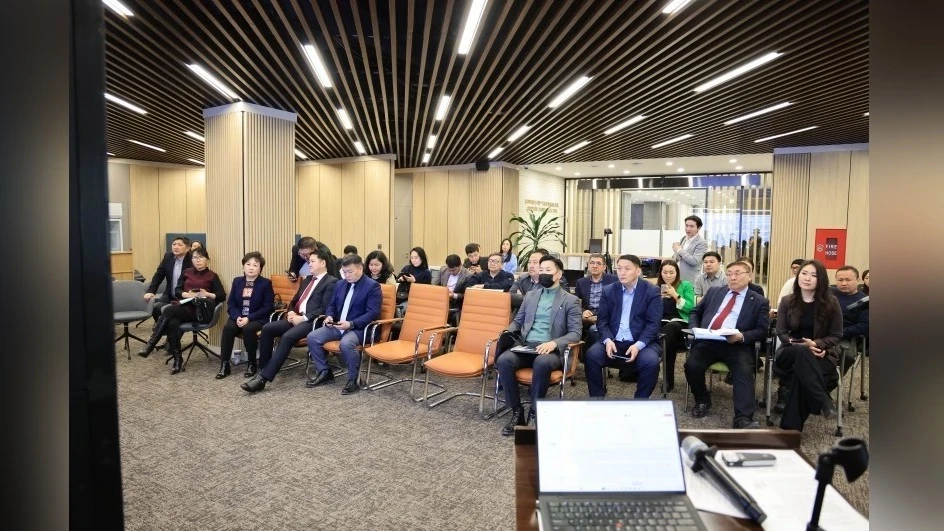
Kwon Hee-jin, head of the Trade Negotiations Department at the Ministry of Trade, Industry and Resources of South Korea, made a trip to Mongolia, where she met with representatives of local authorities, including Batkhüü Idésh, head of the Mongolian CEPA negotiation team, as reported by MiddleAsianNews.
According to information from the ministry, by November 2024, South Korea and Mongolia had already held four rounds of discussions on the Comprehensive Economic Partnership Agreement (CEPA). Mongolia is considered a promising market with enormous potential for increasing the export of consumer goods, especially against the backdrop of growing interest in Korean culture. However, with an annual export volume of $660 million, the country is still far from being a major economy. Negotiations on CEPA began in December 2023 and will continue until November 2024, but they have been temporarily suspended due to concerns about the openness of the Mongolian market and disagreements regarding goods and rules of origin.
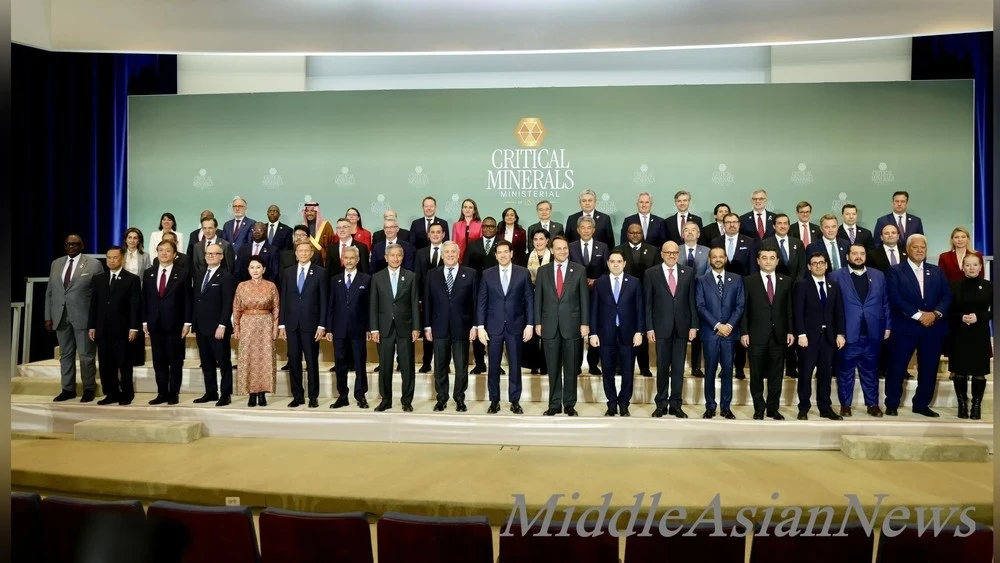
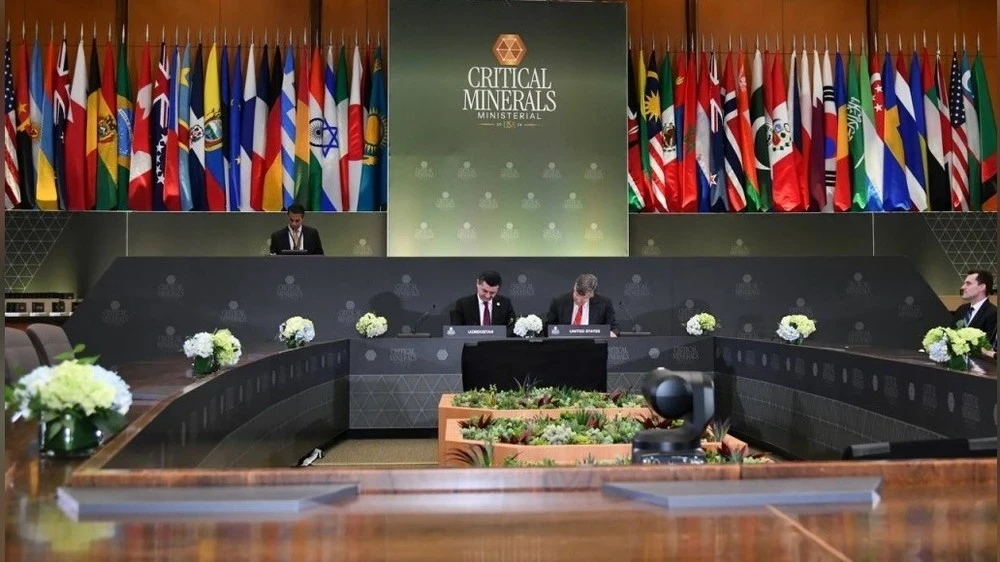
At the meeting held on Tuesday, Kwon emphasized the need to overcome disagreements on the issues discussed and proposed to include the aspect of cooperation in critical mineral supply chains in the negotiation agenda. She urged Batkhüü Idésh to develop a comprehensive agreement that would cover key contentious points related to goods and rules of origin while simultaneously expanding the scope of CEPA to include issues related to critical minerals.
On the same day, Kwon held a meeting with Deputy Minister of Industry and Mineral Resources Dashpurev Buriad, during which they agreed on the need to create a separate chapter dedicated to cooperation within CEPA.
Additionally, she met with representatives of Korean companies operating in Mongolia to learn about their issues and gather opinions that could be useful for the CEPA negotiations.
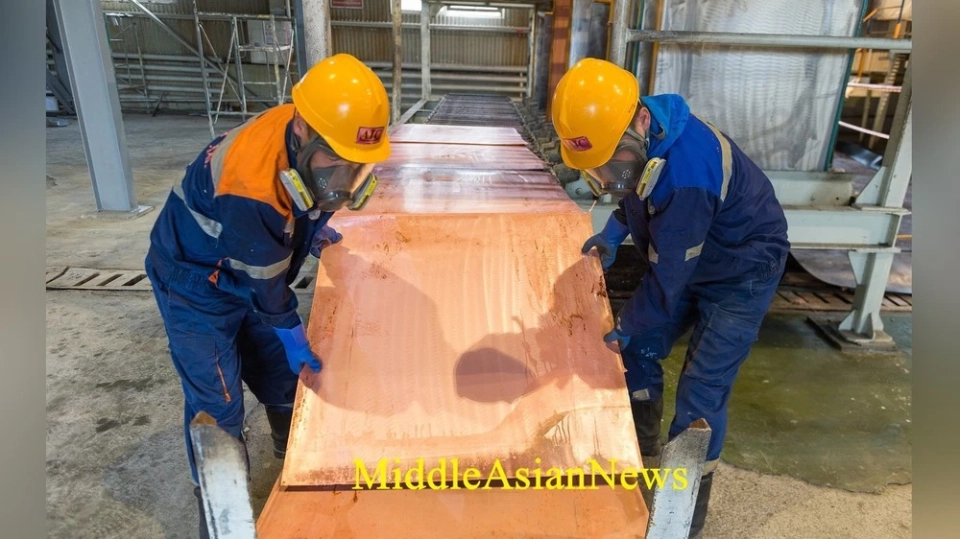
According to the ministry, Mongolia has extensive reserves of important minerals such as copper, molybdenum, and rare earth elements, making the country an attractive partner for South Korea in supply chains.
"Mongolia is an emerging market where Korean companies are actively working, and an important partner in resource cooperation," Kwon noted in a press release, adding that she will strive to accelerate the negotiation process for the Comprehensive Economic Partnership Agreement with this country.
The Comprehensive Economic Partnership Agreement (CEPA) is a bilateral trade agreement that goes beyond traditional free trade agreements. Under CEPA, countries agree not only on preferential trade terms for goods but also on cooperation in various other economic areas. This includes the liberalization of trade in services, investment protection, as well as issues related to intellectual property rights, competition, and public procurement. CEPA provides broader commitments between the two economies than traditional trade agreements.
Unlike traditional free trade agreements, which have a narrow focus, CEPA covers a wider range of aspects, including trade in both goods and services, investments, and regulation. They may also include rules to simplify customs procedures and harmonize standards, which are often not covered in classical free trade agreements.
Furthermore, CEPA typically includes provisions for digital trade, such as the protection of electronic transactions and the absence of customs duties on electronic transmissions. CEPA also facilitates the temporary migration of entrepreneurs and specialists, supporting the exchange of services and professional exchanges. Thus, CEPA represents an integration of market access commitments with broader cooperation across various sectors of the economy.