Oil prices trigger cascading consequences
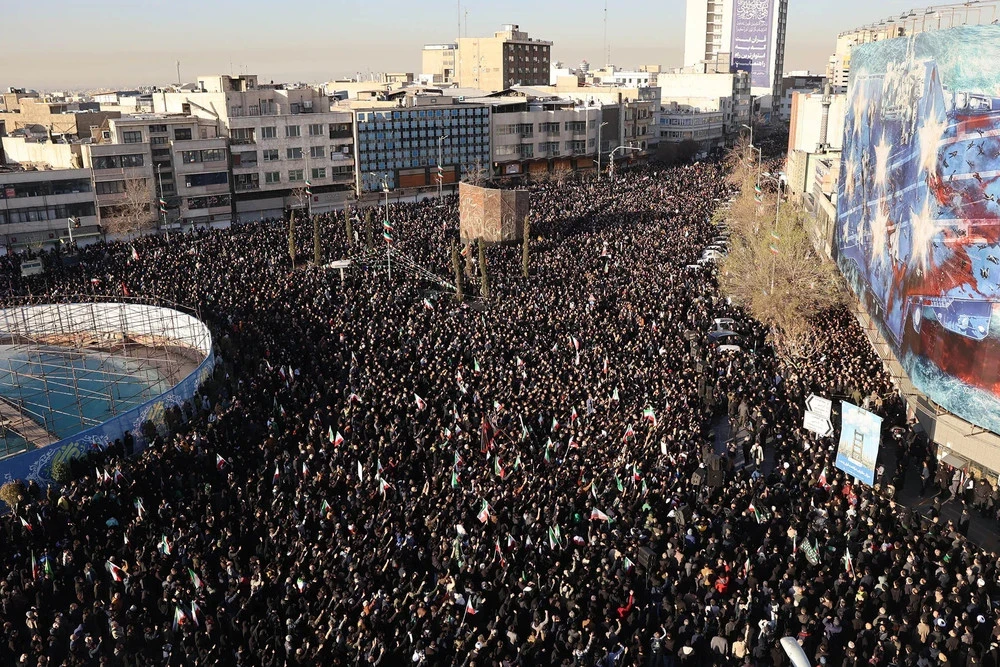
According to Azertag, the escalating conflict in the Middle East is significantly impacting the humanitarian and economic situation worldwide.
The United Nations has issued a warning about the potential for famine.
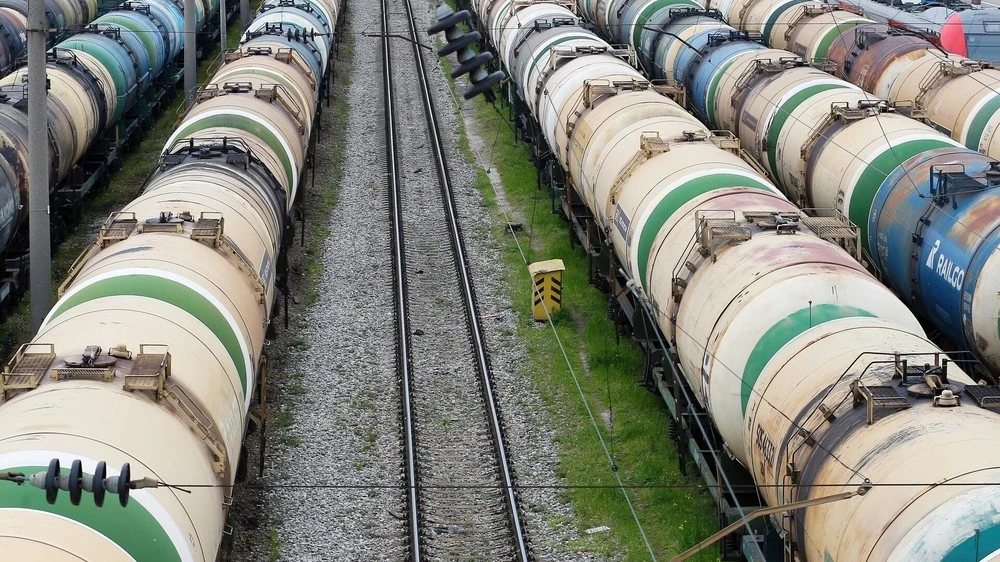
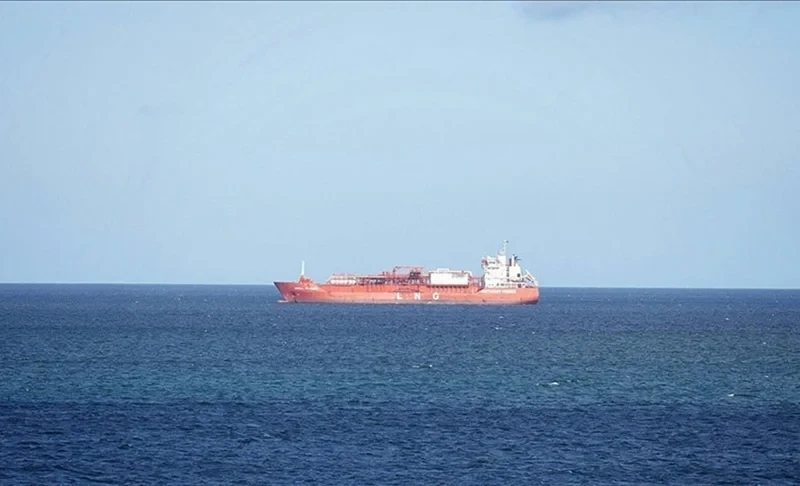
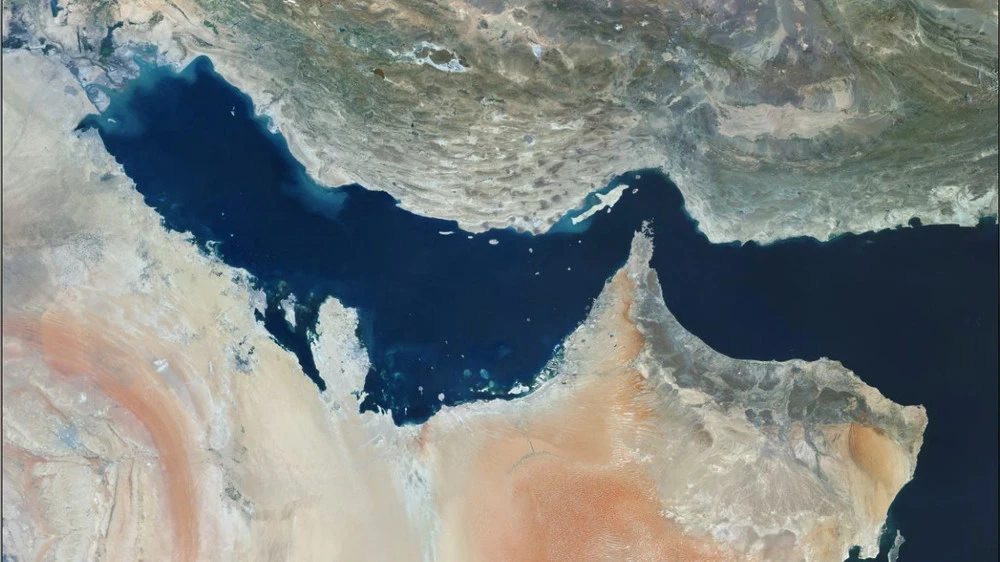
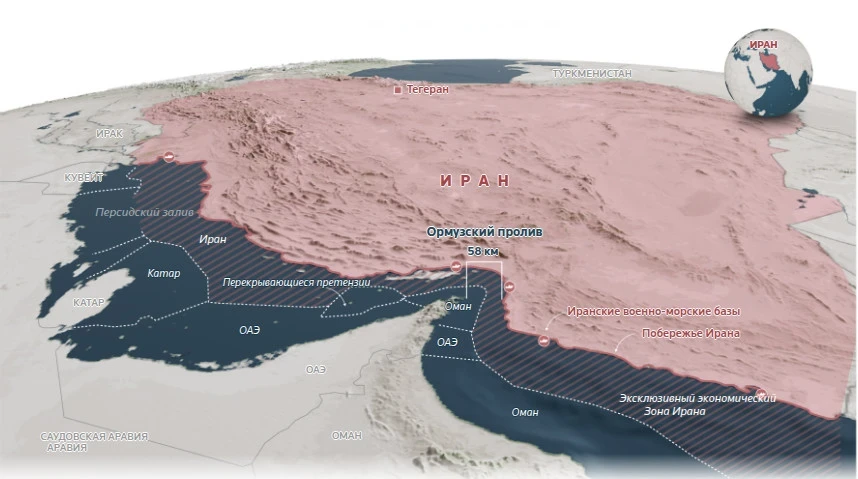
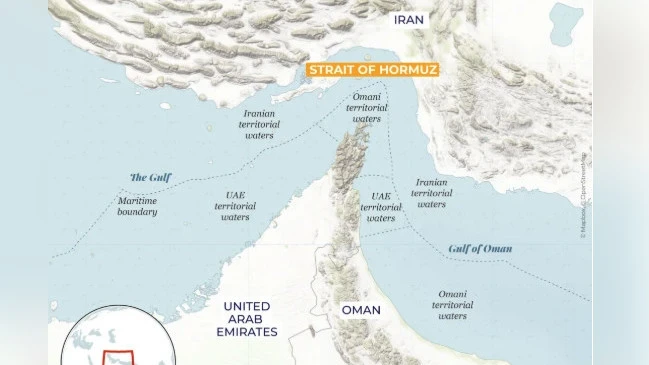
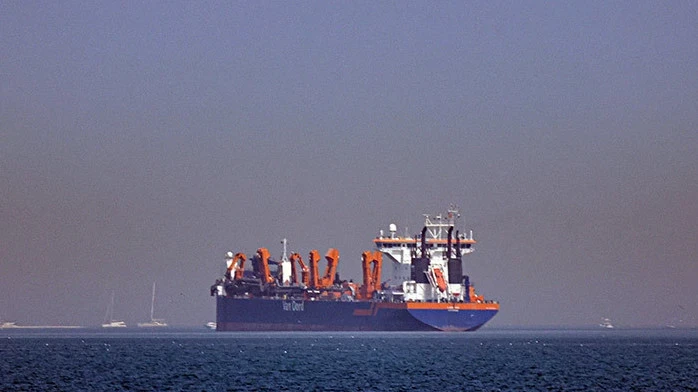
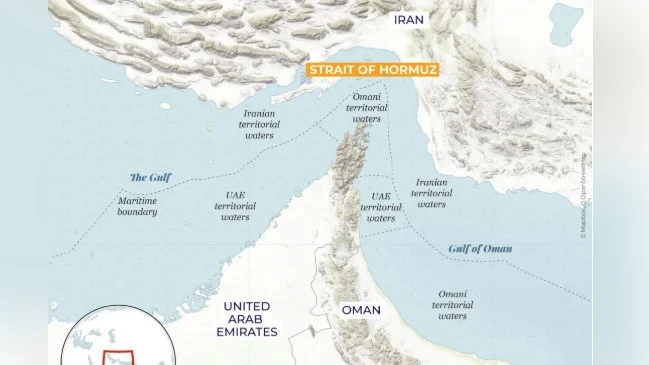
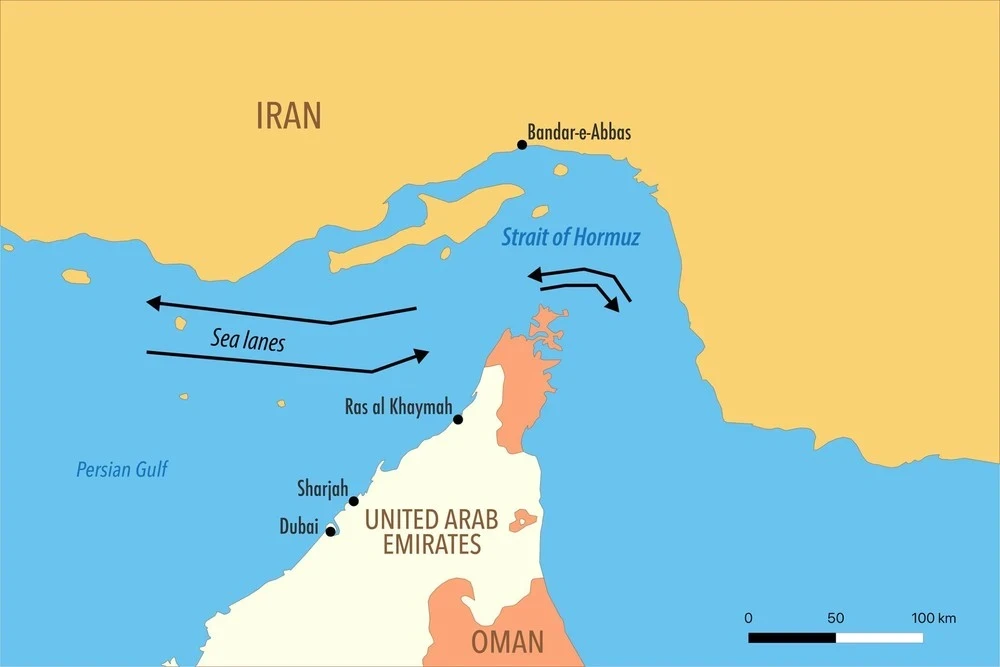
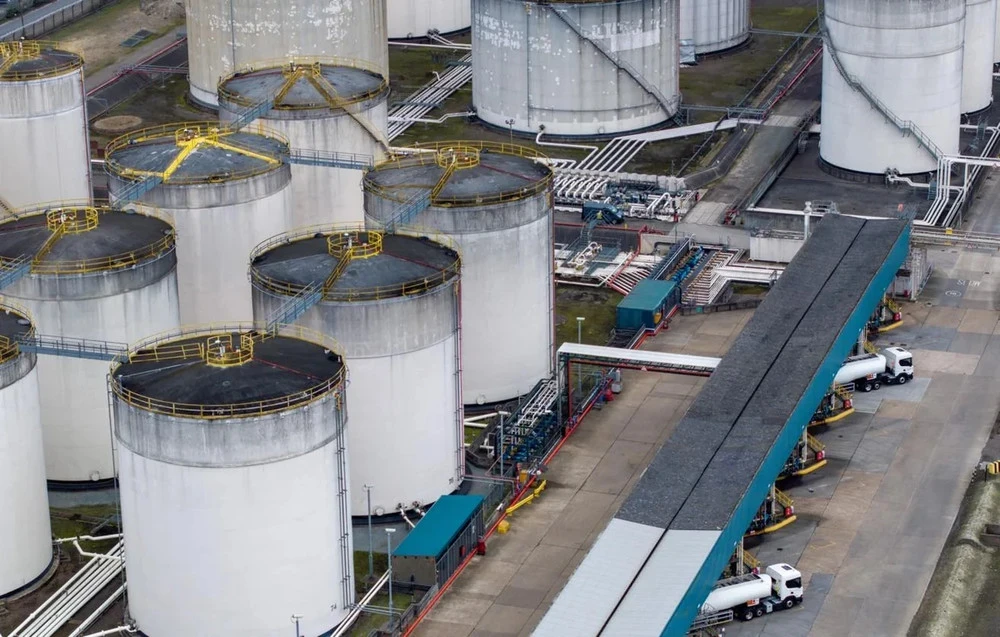
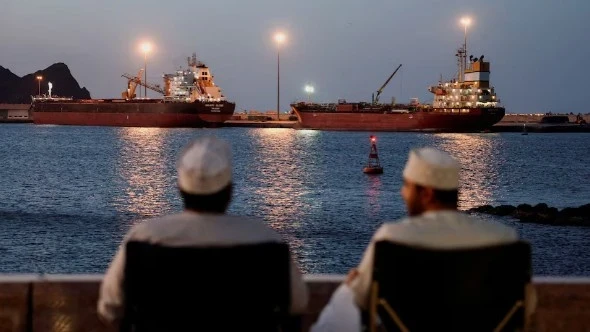
Reports indicate that amid the deteriorating situation, oil prices have surged sharply: in the morning in Asia, the price of Brent reached nearly $110 per barrel. The primary reason for this is the decline in shipping through the Strait of Hormuz, which is a key route for global energy trade.
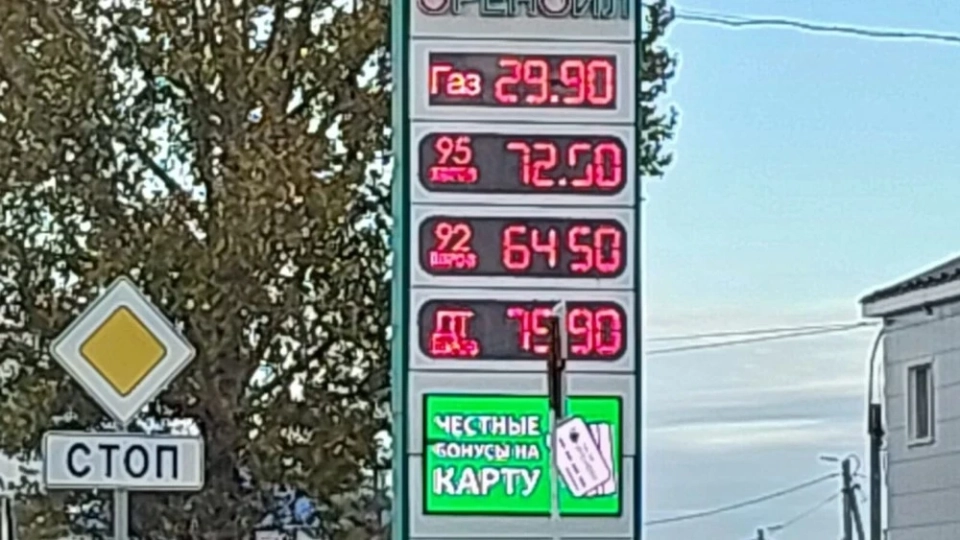
The UN reported that the rise in oil prices is causing a chain reaction, increasing transportation, electricity, and agricultural resource costs, especially for countries that rely on energy imports. Additional difficulties are created by instability in logistics and rising insurance premiums due to military threats.
The World Food Programme (WFP) points to significant disruptions in global food supply chains. Currently, about 70,000 metric tons of food are being delayed or redirected, enough to feed 4 million people for a month.
There is also concern over a shortage of fertilizers, which could negatively impact future harvests. According to WFP forecasts, in the event of a prolonged crisis, up to 45 million people could be on the brink of acute hunger.
According to information from the United Nations Conference on Trade and Development (UNCTAD), the reduction in maritime transport through the Strait of Hormuz is putting additional pressure on developing economies. Investors, facing uncertainty, are pulling out their funds, leading to the weakening of national currencies and increased borrowing costs.
The humanitarian situation in the region continues to deteriorate. The World Health Organization (WHO) reported the suspension of medical evacuations from the Gaza Strip to Egypt through the Rafah crossing following a security incident.
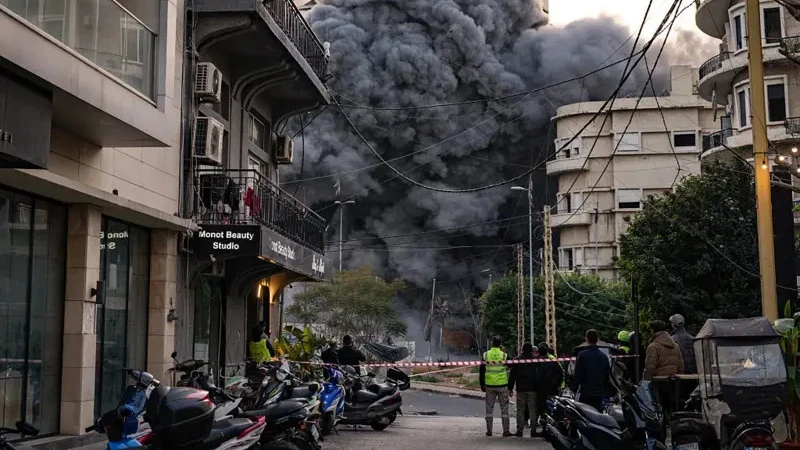
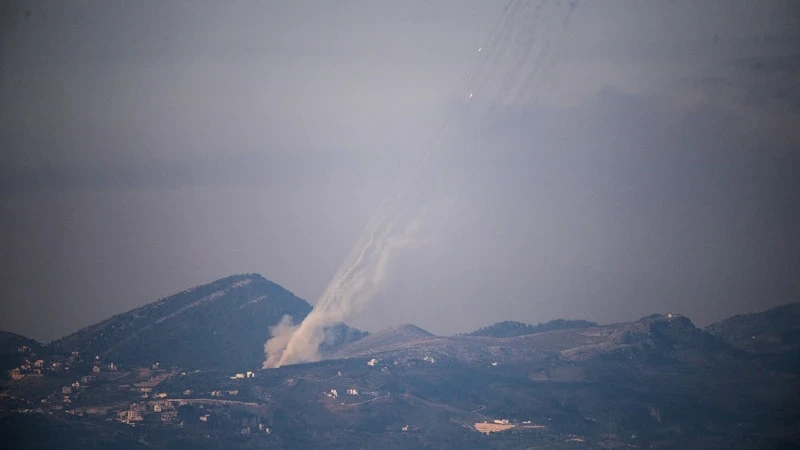
In Lebanon, the healthcare system is under critical pressure: since the beginning of March, there have been 92 attacks on medical facilities and personnel, resulting in 53 deaths and 137 injuries. In some hospitals, the number of emergency visits has tripled, and some facilities have been forced to close.
Despite the difficult conditions, the WFP continues to provide assistance: in Lebanon, support has reached 440,000 people, with over 70,000 receiving aid at Syrian border crossings. However, nearly 80% of humanitarian convoys to southern Lebanon have been unable to reach their destinations due to security issues.
The United Nations Population Fund (UNFPA) emphasizes that women and girls represent the greatest vulnerability. In Lebanon, over 1.2 million people have been forced to leave their homes, including about 13,500 pregnant women. More than 620,000 women and girls are at increased risk of violence and exploitation.
Additionally, the International Atomic Energy Agency (IAEA) has confirmed reports of military strikes near the Bushehr nuclear power plant in Iran. One of the strikes occurred just 75 meters from the facility's perimeter; however, the plant itself was not damaged.
IAEA Director General Rafael Grossi expressed concern that continued military actions near an operational nuclear plant could lead to a serious radiological accident with consequences beyond the country's borders. He emphasized that nuclear facilities should not be targets for military operations.
photo www