A conflict has erupted around the 100 MW Shokpar wind farm in Kazakhstan. An environmental group has filed an official complaint with international financial institutions such as the EBRD and the Asian Infrastructure Investment Bank, citing a potential threat to rare bird species. The case has already been referred to the independent project accountability mechanism IPAM.
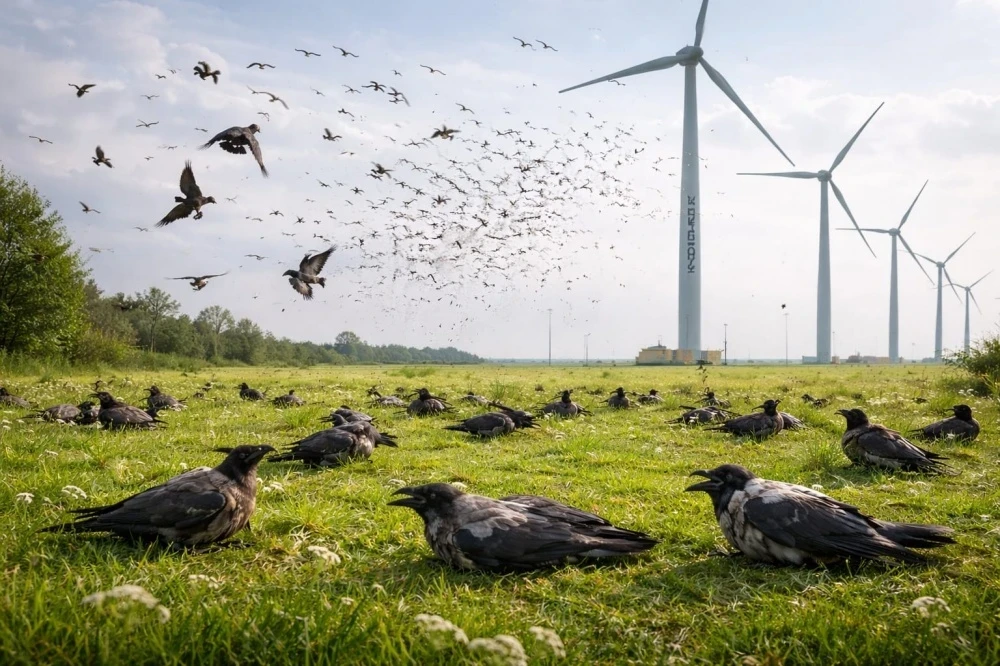
Representatives of the biodiversity conservation organization claim that the wind farm poses a serious threat to birds listed in the Red Book. They believe that the project was mistakenly assigned an ecological hazard category B, instead of the stricter A. Activists emphasize that a comprehensive impact assessment on fauna has not been conducted, and the turbines lack automatic bird detection systems. Ecologists rely on the results of their own monitoring, which recorded the deaths of birds and bats in the vicinity of the wind farm.
As a possible solution to the problem, environmental defenders propose implementing technologies that allow for the automatic stopping of blades when birds approach, as well as painting the turbines in bright colors to enhance their visibility. Furthermore, they strongly demand additional habitat studies in the area affected by the wind farm and the adjacent power lines.
On the other hand, investors and operators of the wind farm hold an opposing view. The European Bank for Reconstruction and Development states that the project successfully passed all necessary checks. According to the bank, the wind farm is located 25–30 kilometers from major migration routes and does not affect protected natural areas. The operator adds that internal monitoring has not revealed mass animal deaths, and installing expensive protective systems at this stage is not economically justified.
The situation surrounding Shokpar has become an important precedent for the energy sector in the region. Experts emphasize that this case raises the question of the need to find a balance between the development of renewable energy sources and the protection of unique ecosystems. The outcome of this dispute will demonstrate how effectively international financial organizations and businesses can adapt ecological projects to strict requirements without compromising their investment attractiveness.