In the reporting year, the number of cases received by the courts of the country exceeded 318,000, significantly more than in 2024, when over 247,000 cases were considered. The increase in the number of appeals indicates a growing trust of citizens in justice and the demand for judicial services.
As noted by Satiev, in 2025, the judicial system initiated the adoption of four laws and ten subordinate acts aimed at improving legal regulation and court proceedings.
The Plenary Session of the Supreme Court also carried out significant work: while three resolutions were revised in 2024, 37 resolutions adopted since 1991 were updated in 2025, contributing to the unification of judicial practice.
One of the innovations was the introduction of a feedback mechanism with citizens: QR codes have been installed in the courts, allowing the evaluation of judges' work, the progress of hearings, and the activities of the judicial apparatus.
Satiev also reported that starting from January 1, 2026, online broadcasts of court sessions are planned to enhance the transparency of justice. During trips to the regions, he instructed to expedite the implementation of this system.
The Chairman of the Supreme Court noted that the implementation of the State Target Program for the Development of the Judicial System for 2021–2026 continues, and work is underway on a new program for 2027–2030.
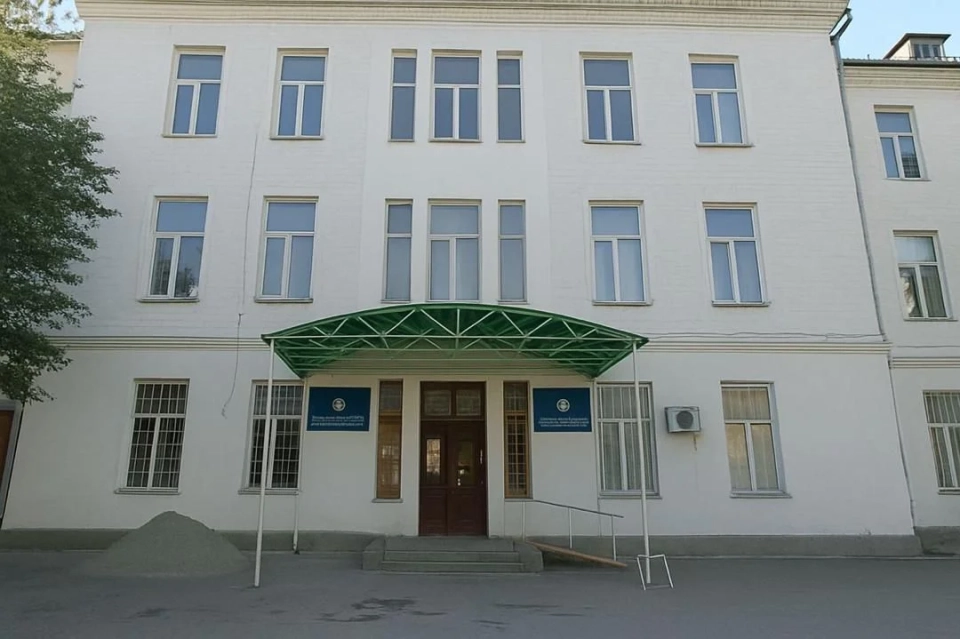
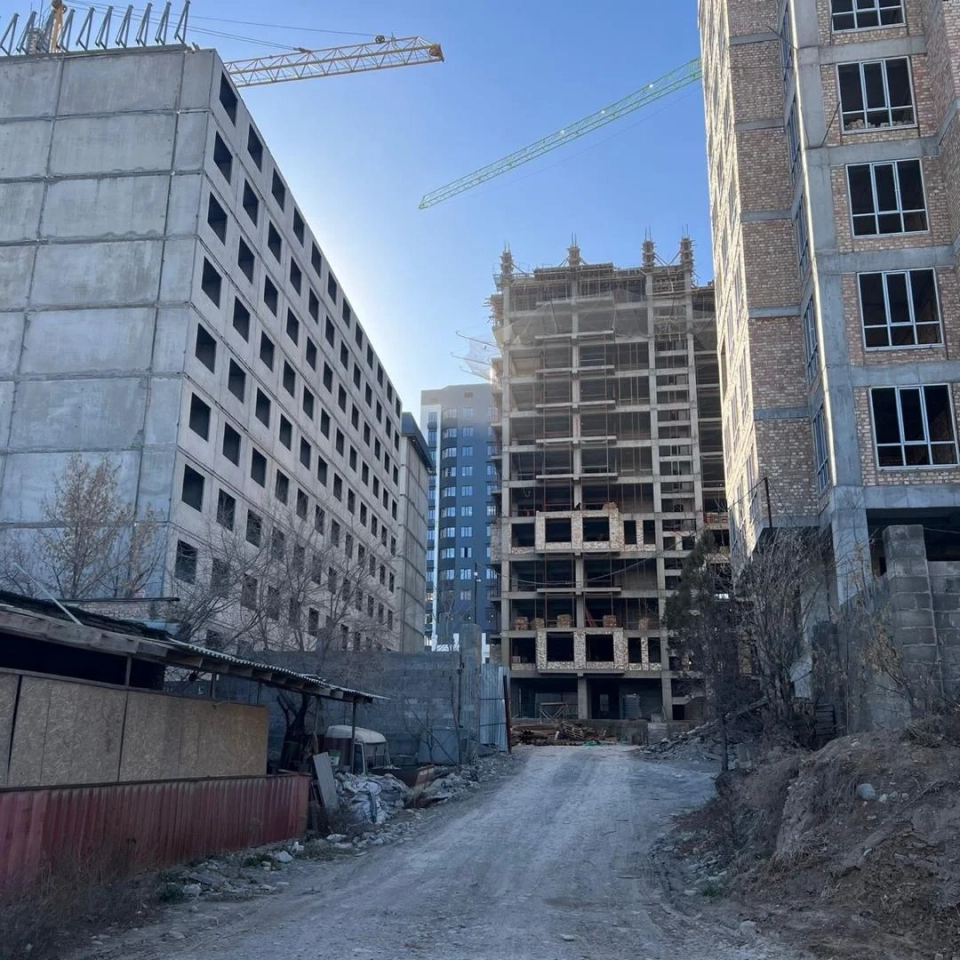
As part of improving infrastructure, the budget of the Judicial Department has been increased. New court buildings are actively being constructed in the regions, and major repairs are underway at the Supreme Court building.
Satiev added that in recent years, judges' salaries have been raised in several stages, which is important for strengthening the independence of the judiciary. Work is also being carried out to increase the salaries of staff in local court apparatuses.
Reforms have also affected personnel policy: a commission was created for the professional assessment of judges' work, and an institute for reserving candidates for first-instance judges' positions was introduced. The process of rotating judges continues.
Significant steps have been taken in the field of digitalization: document management has been transitioned to electronic format, integration of information systems is underway, and a pilot project for open video broadcasting of court sessions has been launched.
Satiev also emphasized international cooperation. Kyrgyzstan actively participates in the work of the Economic Court of the CIS, where the country is represented at the level of deputy chairman, and the chairmanship of the court will soon pass to Kyrgyzstan.
The Supreme Court of Kyrgyzstan participated in the 20th meeting of the chairpersons of the Supreme Courts of the member states of the Shanghai Cooperation Organization, held in China, where cross-border disputes and the development of the legal sphere were discussed.
In 2025, the Statute of the Conference of the Supreme Courts of the member states of the Organization of Turkic States was signed, uniting the highest judicial bodies of Azerbaijan, Kazakhstan, Kyrgyzstan, Turkey, and Uzbekistan for the exchange of experience and development of legal dialogue.
Satiev also noted that the Deputy Chairman of the Economic Court of the EAEU, Aizhamal Azhibraimova, was awarded the Order of Friendship by the decree of Russian President Vladimir Putin for her contribution to the development of cooperation among the countries of the Eurasian Economic Union.
The head of the Supreme Court emphasized that new tasks await the judicial system ahead, including the construction of Justice Houses in Bishkek and the regions, providing housing for judges and staff through state mortgage mechanisms, as well as completing the repairs of the Supreme Court building.
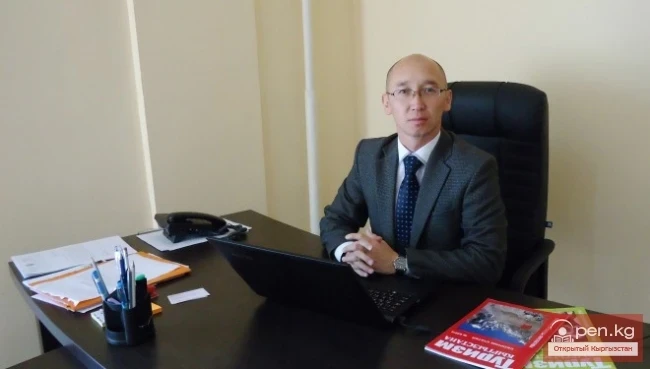
“Our main goal is to increase public trust in the court. Every judge should strive to make lawful, justified, and fair decisions,” concluded Mederbek Satiev.