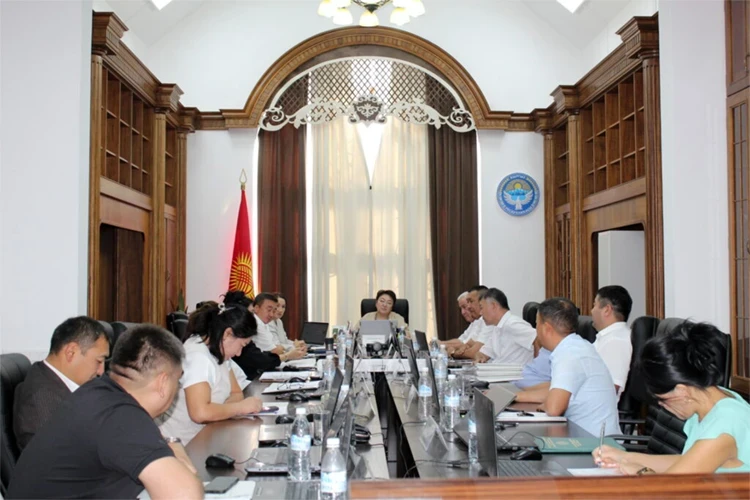
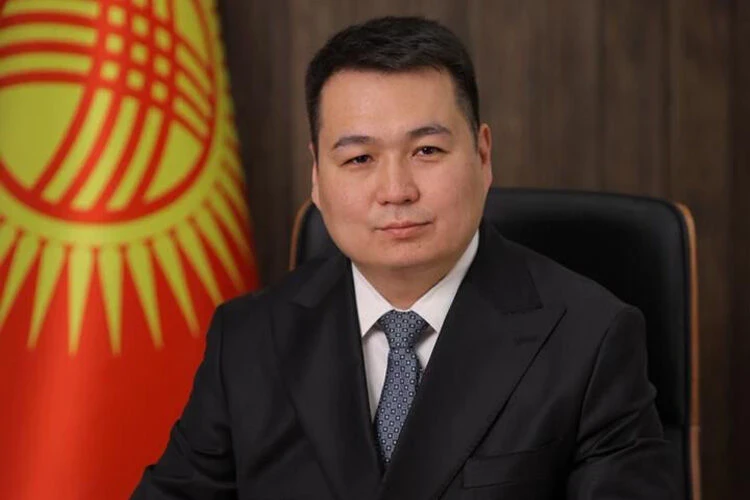
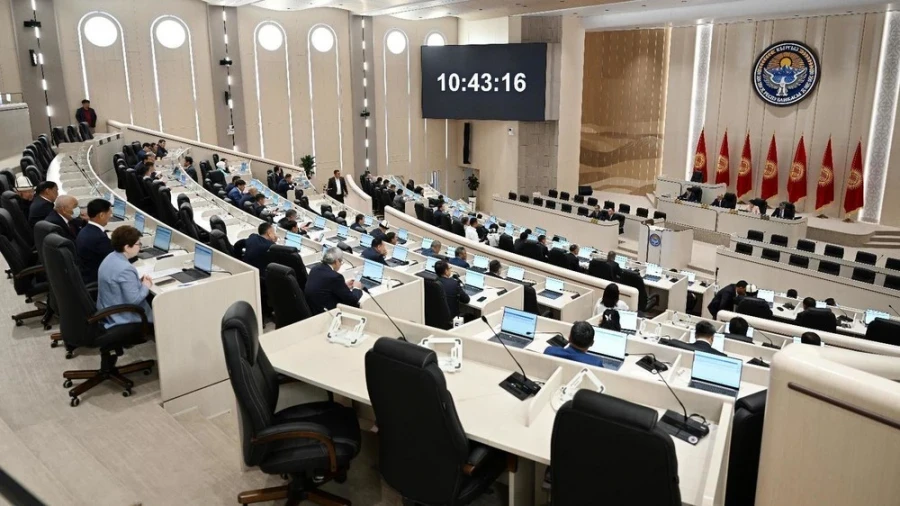
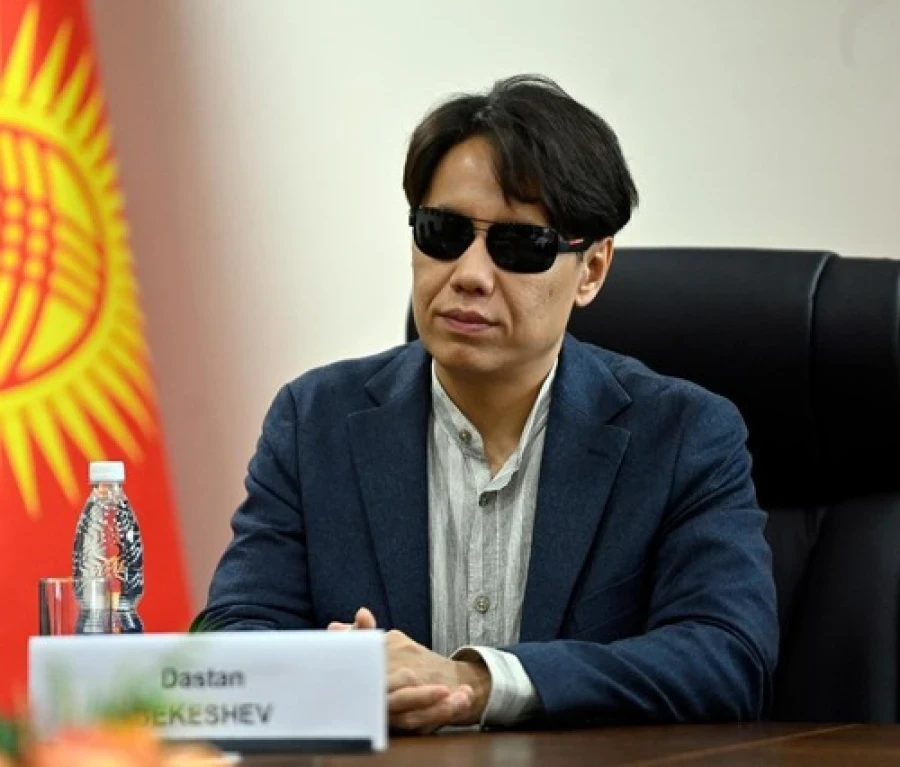
Deputy Attorney General Umutkan Konkubaeva reported that this draft law was developed in accordance with the presidential decree dated June 23, 2025, No. 187. The main goal of the initiative is to improve the process of enforcing court decisions and other enforcement documents, as well as to strengthen law and order and protect the rights of citizens and legal entities.
One of the key initiatives of the project is to establish the legal status of the Judicial Enforcement Service under the General Prosecutor's Office. The document will also define the powers of this service, the procedure for its operation, and accountability to the prosecutor.
In addition, the draft law proposes to transfer to the Attorney General the powers to appoint and dismiss the chief judicial enforcement officer, their deputies, and heads of territorial subdivisions.
An important innovation will be the introduction of the institution of private judicial enforcement officers. The project defines their legal status, requirements for candidates, the procedure for obtaining a certificate, as well as the grounds for suspending and terminating their activities, including liability.
Private judicial enforcement officers will have the right to enforce enforcement documents, alongside state enforcement officers.
The draft law also makes amendments to the Code of Offenses, including:
- increasing fines for violations of legislation in the field of enforcement proceedings;
- strengthening the liability of debtors for non-compliance with the requirements of judicial and private judicial enforcement officers;
- clarifying the elements of offenses and the amounts of fines.
Changes are proposed to be made to the Criminal Code regarding the evasion of child support. Specific changes include:
- reviewing the deadlines for arrears after which criminal liability arises;
- changing the types of punishments;
- establishing a condition that exemption from criminal liability is possible only upon full repayment of arrears;
- excluding the application of mitigating norms until the alimony arrears are fully paid.
Additionally, the draft law proposes:
- to extend the norms of legislation to private judicial enforcement officers in all procedures for appealing their actions;
- to grant judicial and private judicial enforcement officers the authority to impose arrests and recover funds from bank accounts based on enforcement documents;
- to require banks to provide judicial enforcement officers with information that constitutes bank secrecy regarding enforcement documents.
Changes are also planned to be made to the Administrative Procedural Code so that the procedures for judicial appeals of actions and inactions apply to private judicial enforcement officers, including deadlines and procedures for case consideration, as well as the distribution of the burden of proof.
As for changes to the laws on banks and enforcement proceedings, it is proposed:
- to allow the arrest and recovery of funds in bank accounts based on enforcement documents by both judicial and private judicial enforcement officers;
- to establish legal foundations for electronic enforcement proceedings;
- to clarify the requirements for judicial enforcement officers and the procedure for their appointment;
- to establish unified principles for the operation of state and private judicial enforcement officers.