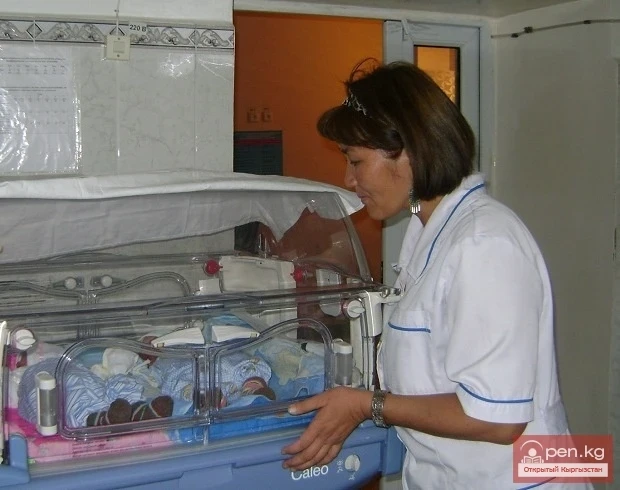
According to her, high rates of morbidity and mortality among children from infectious diseases, as well as developmental delays, obesity, and other serious illnesses, are just some of the consequences of improper nutrition.Research by both domestic and international scientists confirms that the first two years of a child's life are critically important for the formation of their intellect and health in the future. Problems arising from inadequate nutrition during this period are difficult to correct, while balanced nutrition can prevent many diseases.
The deputy emphasizes that breastfeeding is the most effective and accessible way to prevent nutritional disorders at an early age. The Ministry of Health recommends starting breastfeeding within an hour after birth, continuing it for 6 months as the sole source of nutrition, and introducing complementary foods at 6 months while continuing breastfeeding until the age of 2.
However, advertising and other means of promoting artificial substitutes for breast milk in stores and medical institutions undermine the effectiveness of these recommendations. To date, the country has 46 types of products from 14 manufacturers of baby food, including breast milk substitutes.
Manufacturers of these substitutes, violating the Law "On Advertising" and international standards, use various marketing methods, such as discounts, special exhibitions, and consultations for sellers. Labels on breast milk substitutes often contain claims about their positive effects on health, which can undermine mothers' trust in breastfeeding, Ashymbaeva believes.
The deputy also proposes to abolish a number of regulations regarding the advertising of baby food.
- Advertising of baby formulas should not present them as a complete alternative to breast milk and should not claim the advantages of artificial feeding.
- Advertising of products that can be used as substitutes for breast milk should include information about age restrictions and warnings about the need for consultation with doctors.