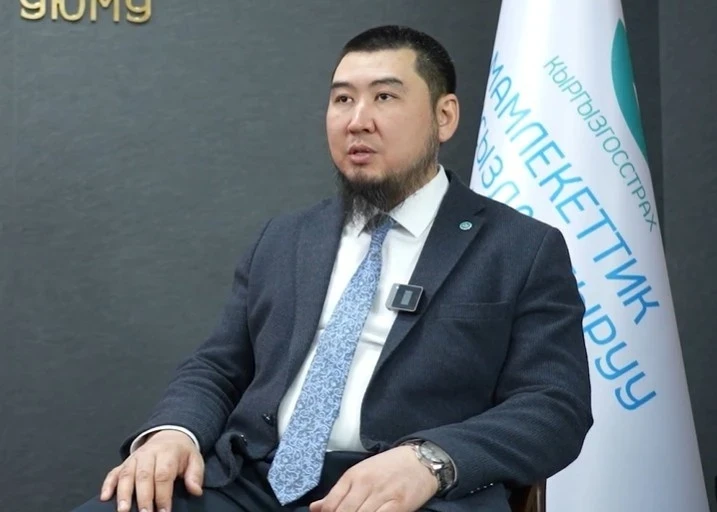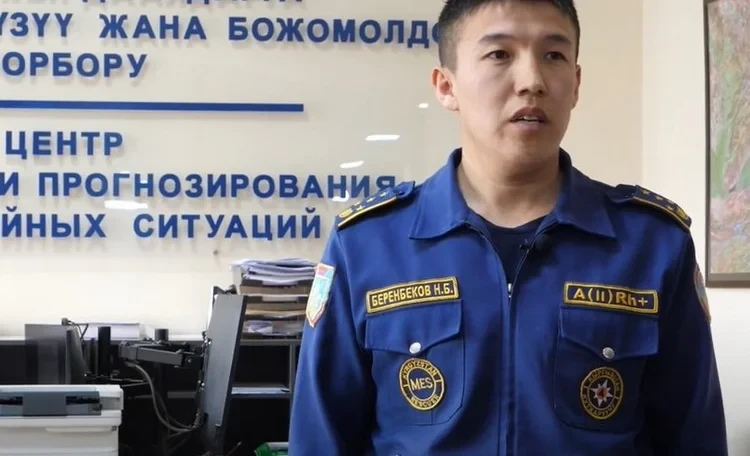
With the onset of spring, dangerous natural processes are becoming more active in Kyrgyzstan, which is associated with unstable weather conditions and precipitation in mountainous areas. The Ministry of Emergency Situations has been conducting large-scale activities to prevent natural disasters before the start of the spring season for many years, allocating significant resources for this purpose. Protection against natural disasters is the responsibility of both government agencies and every citizen. Experts emphasize that actions such as cleaning ditches and insuring homes play an important role in preventing and reducing risks. Nursultan Berenbekov, head of the monitoring and analysis department of the Ministry of Emergency Situations, spoke about the current weather situation and the actions of the Ministry in this area in an interview with the news agency “Kabar” .
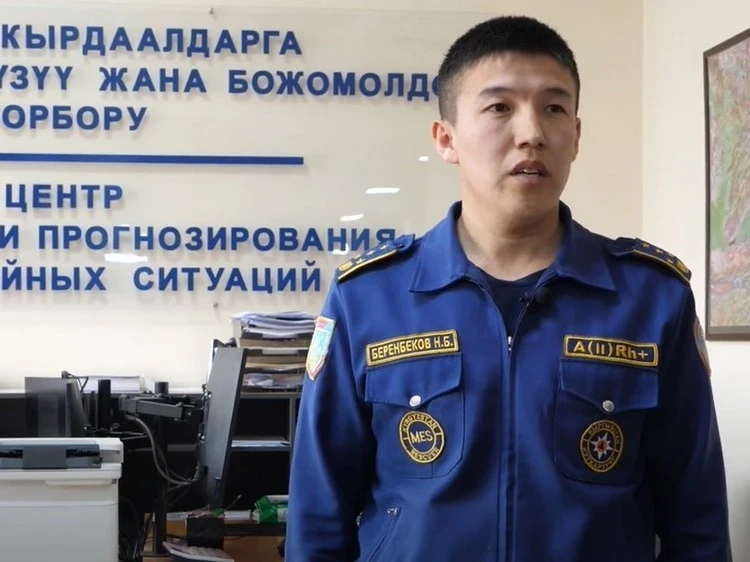
— With the arrival of spring, several natural processes are becoming more active in the republic. Among them are landslides caused by accumulated moisture in the soil from September to March, as well as seismic activity that can trigger landslides. Another important process is flooding caused by the untimely cleaning of irrigation systems and drainage structures. As a result, many channels have become filled with debris and waste, leading to flooding. During inspections, the Ministry of Emergency Situations found that up to 80% of irrigation systems had not been cleaned for many years. We have submitted proposals to the presidential administration regarding the need to hold the heads of government agencies and local authorities accountable. There is also a risk of mudflows and floods due to a sharp rise in water levels in rivers. The Ministry of Emergency Situations disseminates warnings through social networks and the media. As of now, the threat of snow avalanches remains on some roads and in mountainous areas, such as Ala-Buka — Kanysh-Kiya and Bishkek — Osh, until March 28. All services are on alert and are carrying out necessary work.
— What measures is the Ministry of Emergency Situations taking to prevent natural disasters?
— The Ministry of Emergency Situations is implementing preventive measures in several areas. First, mechanical cleaning of channels is being carried out, new drainage channels are being dug, and banks are being reinforced using gabion nets. In 2026, 200 facilities were planned, of which work has been completed on 11, and 3 are ongoing. In Bishkek and the Naryn region, work has not yet begun, but it is already underway in other regions. The most active work is taking place in the Osh region, where the Ak-Buura River is being cleaned with the involvement of more than 30 units of equipment. This work is expected to be completed within one to two weeks. Additionally, capital construction of dams and spurs is underway, for which 400 million soms have been allocated from the budget. From February to April, inspections of about 400 facilities across the country are planned. Currently, inspections have been completed in the Batken region and are ongoing in other regions. In cooperation with international organizations, the Ministry of Emergency Situations is working on the safety of landslide-prone areas with a budget of 39 million dollars, including the construction of drainage systems. The project is scheduled until 2028 and covers the most vulnerable areas in the Jalal-Abad and Osh regions. Considering the large number of families living in hazardous zones, the issue of their relocation requires a special approach, which is being implemented for the first time in Central Asia.
— How can citizens help in preventing natural disasters?
— In spring, people often relax in nature, and I would like to emphasize the importance of following safety measures. This is especially true for bodies of water, where tragic incidents often occur. For example, in 2024, in the Nookat region, people, including children, died during a flood. Every citizen should actively clean their territories of debris and ensure proper drainage. Last year, many floods occurred due to uncleaned systems. We proposed to hold mass clean-up days in the fall, which was supported by the presidential administration, and in 2025 such events successfully took place, during which about 5 million meters of channels were cleaned. This work will continue in the spring of 2026.
— How important is home insurance for citizens of Kyrgyzstan in the context of natural disasters?
— Previously, before 2016-2017, the state provided material and technical assistance to citizens affected by natural disasters. However, since 2017, the system has shifted to insurance. In rural areas, the insurance amount is 600 soms per year, while in Bishkek and Osh it is 1,200 soms. In the event of damage from a disaster, the insurance company compensates the owner. We strongly encourage citizens to insure their homes, as the state is currently not providing compensation, and the Ministry of Emergency Situations is focused on eliminating the consequences. If necessary, temporary housing is provided based on an agreement. Home insurance is becoming an important step for the safety of citizens.