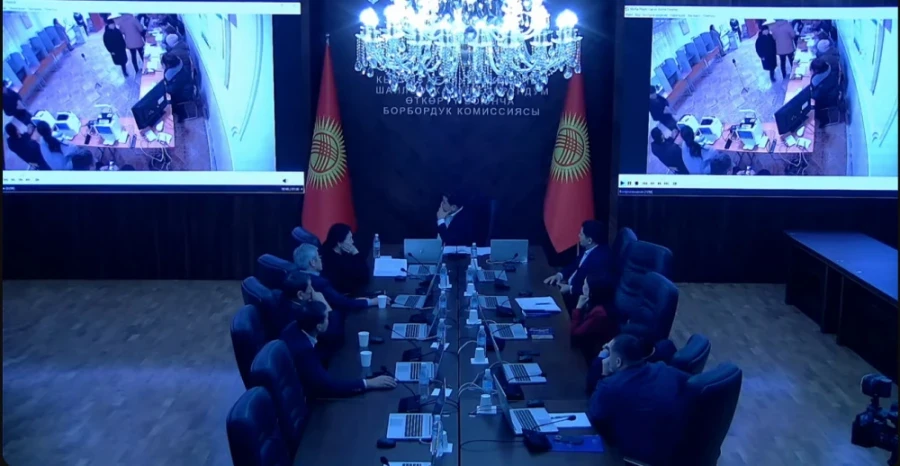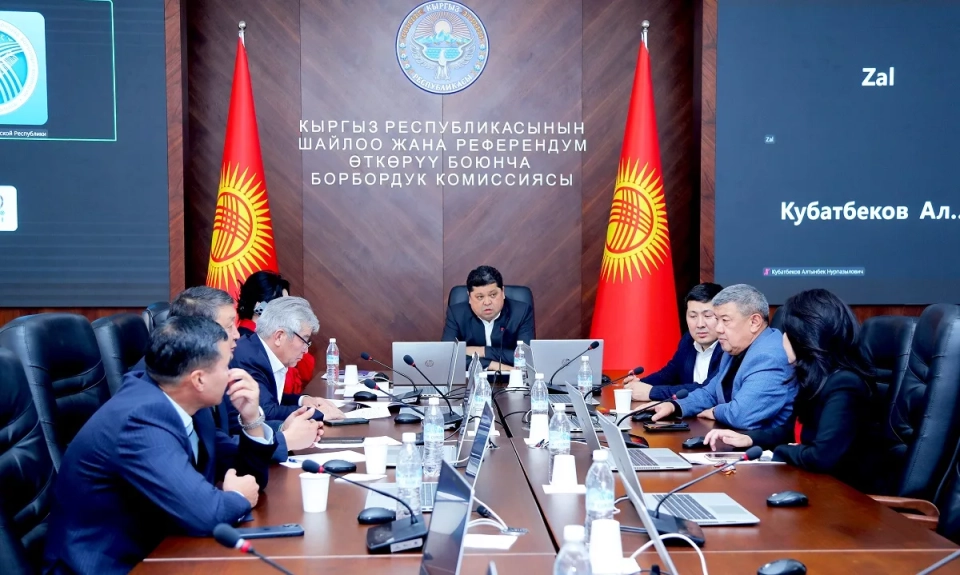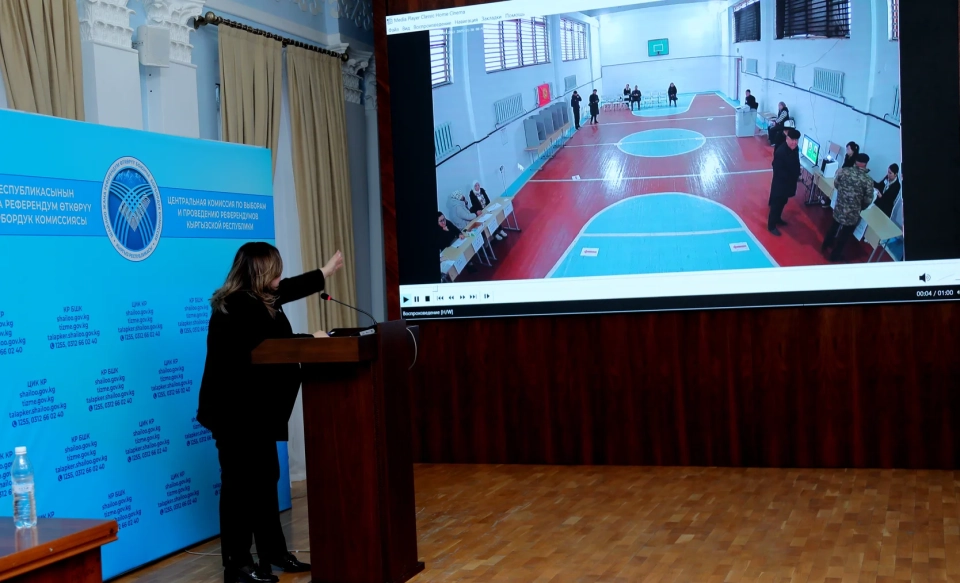
He noted that there are no official complaints, protocols, or other documents that could record possible violations. "If they believe there were violations, they should have been documented by the appropriate authorities, but such documents do not exist," the deputy emphasized.
Satybaldiev also reminded that previously, competent authorities had already assessed similar claims and concluded that there were no grounds for initiating criminal cases, and the actions of the observers were in accordance with the law.
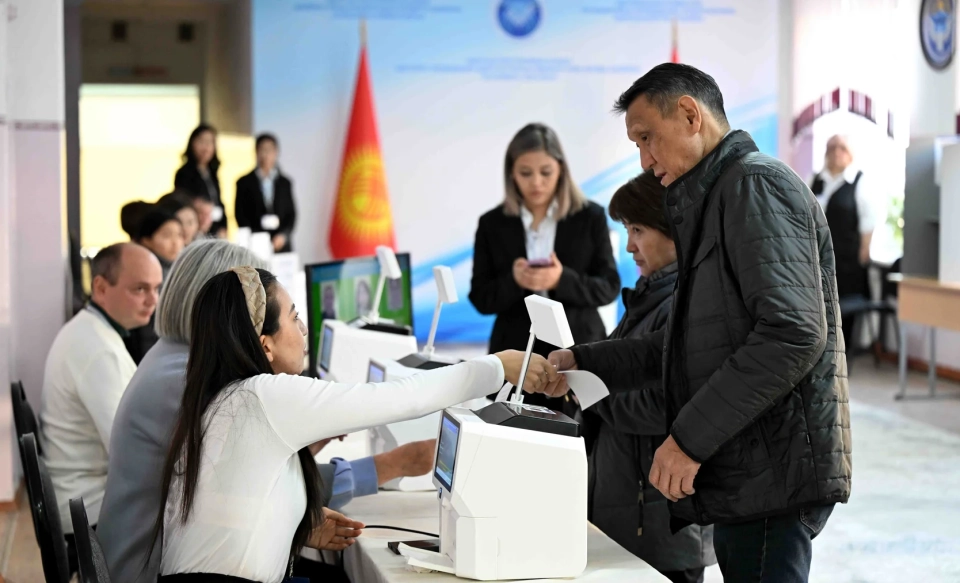
This calls into question the conclusions of the Central Election Commission, as they contradict the results of official inspections, he added.Regarding the video recording, the deputy stated that the Constitutional Law "On the Elections of the President and Deputies of the Jogorku Kenesh" allows observers to carry out photo, video, and audio recording, provided it does not violate the secrecy of the vote. Thus, filming itself is not a violation; on the contrary, it contributes to the transparency of the elections. In the absence of evidence and contradictions with official documents, it can be concluded that the Central Election Commission's ruling lacks sufficient legal grounds.
Furthermore, the deputy emphasized the need for personal responsibility for violations in both civil and criminal law. "The Central Election Commission does not hold specific individuals accountable; it merely points to the presence of cameras and phones that recorded the voting process," he noted. "The Central Election Commission's decision is unfounded and illegal, and it should be challenged in court. Only the court has the right to disqualify a candidate based on facts of violations, rather than annul the election results as a whole, which infringes on the rights of voters, candidates, and the state," Satybaldiev concluded.