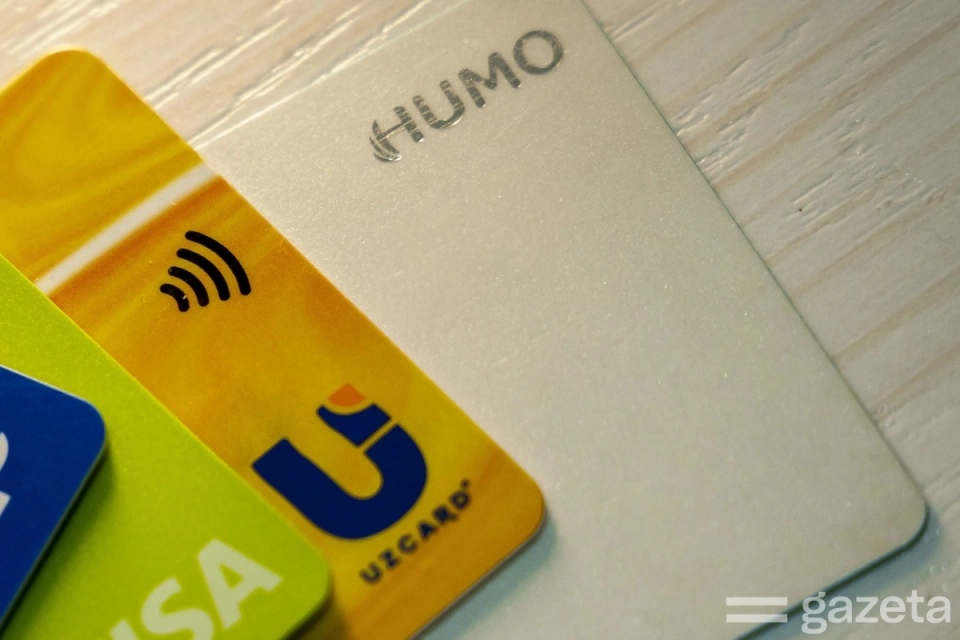
A significant package of reforms has been adopted in Uzbekistan, aimed at transitioning to cashless payments for large purchases and certain types of services. The President signed this document on December 10, as reported by the Ministry of Justice of Uzbekistan.
According to this decree, the implementation process will be carried out in stages, starting in 2026. From April 1, 2026, a number of operations will only be possible using bank cards or electronic systems. The list of services transitioning to cashless payments includes:
services of government agencies;
utility payments for water, gas, and electricity;
purchase of tobacco and alcoholic products;
fuel purchases at gas stations and electric vehicle charging;
transactions involving any real estate;
purchase of vehicles in categories M, N, O, and G (passenger cars, trucks, buses, etc.);
goods and services costing more than 25 million sums (over $2100).
The entire trade and service sector will be required to implement a universal QR code for payments by the end of 2025. From January 2026, its use will become mandatory for legal entities, and starting in July, the absence of such a code will be considered a violation of trade regulations.
Additionally, the new decree introduces further tax control measures. From July 2026, tax inspectors will be required to use body cameras during inspections to reduce the risks of pressure on businesses.
The changes will also affect the taxation of real estate and construction materials: from 2026, the tax base will be calculated based on market value. Mandatory registration will be introduced for foreign companies selling electronic goods and services to citizens of Uzbekistan. If such a company does not register within 30 days after notification, its activities in the country will be restricted.
As part of the reforms, experimental income declaration is also planned. Starting March 1, 2026, tax authority employees and residents of the cities of Navoi and Chirchik included in the pilot project will be the first to declare their annual incomes.
The authorities intend to strengthen control over food imports. If goods are not sold for an extended period—more than nine months (for meat and fruits—more than three), and the residual value exceeds 500 basic calculation units (one basic calculation unit is currently 412,000 sums or about $34), this will serve as grounds for an exit inspection.
According to government forecasts, the implementation of these measures will reduce the share of the shadow sector relative to GDP by 1.3 times by 2030. It is expected that the share of cashless payments in trade and services will reach 75 percent.