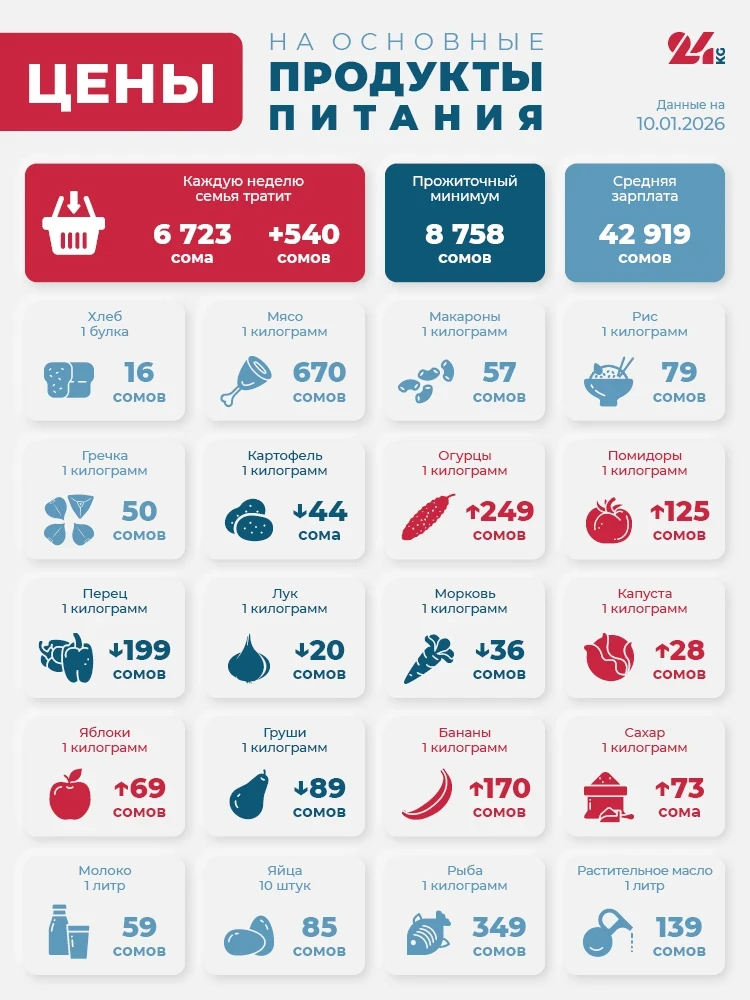
Prices for bakery products and cereals increased by 3.8%, which is linked to the rise in wheat prices in Kazakhstan and the increase in logistics costs.
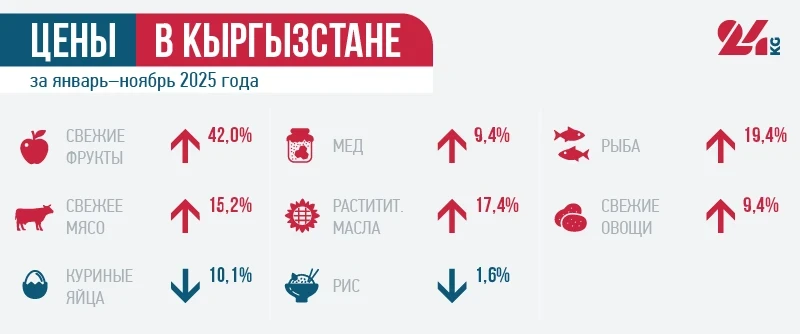
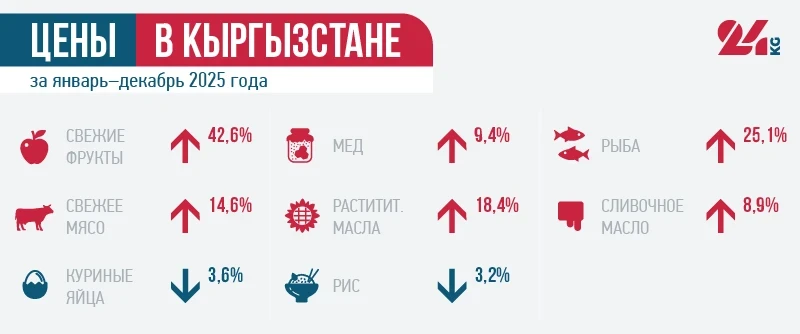
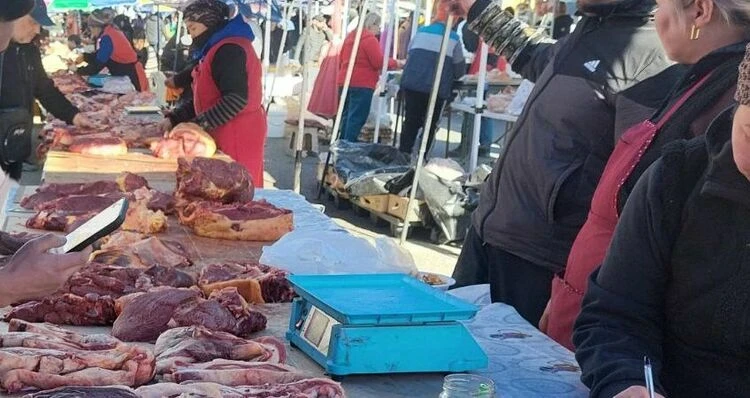
The main factors influencing price growth, as stated by the Ministry of Economy, were the rising costs of feed, fuel, and transportation services, as well as the increase in purchase prices for livestock. Demand for exports from neighboring countries, despite a 3.6% increase in domestic meat production, also put pressure on prices in the domestic market. The agency also noted the impact of global inflation.
The report indicated that "global prices for beef and lamb have significantly increased year-on-year due to sustained demand for imports and limited supply for export."
Price increases were a result of rising logistics and food storage costs, which are associated with higher fuel and electricity prices, as well as increased production costs (seeds, fertilizers, fuel). Despite a 9.8% increase in domestic vegetable production and an 18.1% increase in fruits and berries, the high share of imports continues to exert pressure on prices.
Global trends, such as the rising global prices for energy resources and ongoing logistics constraints, have also contributed to the increase in transportation and related costs. Moreover, the rise in prices for vegetable oils has further affected the domestic market.
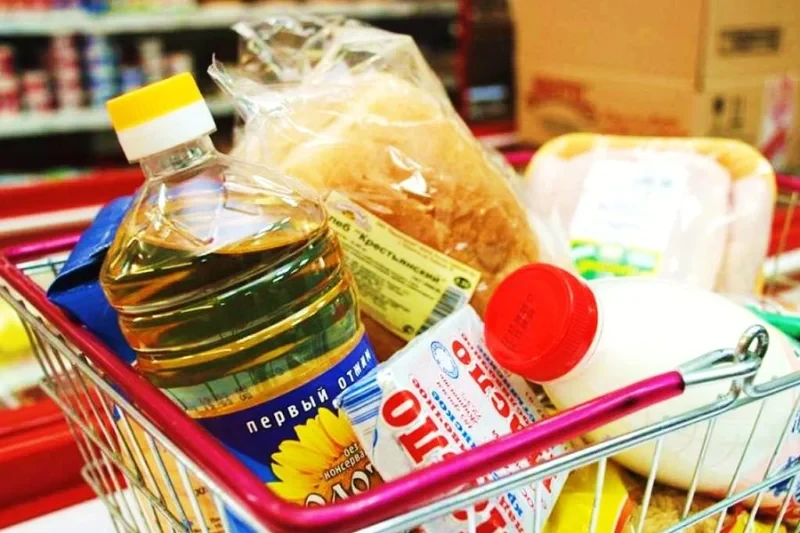
The Ministry of Economy clarified that the export duty on sunflower introduced in Russia in December 2025 limited its export, which supported the rise in prices in the domestic market. The decrease in sunflower yield in Russia also exacerbated the situation.
Prices for dairy products, cheese, and eggs increased by 5.5% due to seasonal declines in milk production in winter, caused by a shortage of pasture feed. "An additional factor was the rise in prices for feed, fuel, and concentrates," the agency added.
The increase in prices for alcoholic and tobacco products by 8% was triggered by the annual increase in excise taxes on tobacco goods and the rise in production and logistics costs (in the case of alcohol).
Image on the main page: freepik.com.