Key budget indicators for 2026
- Total revenue will amount to 551.2 billion soms;
- Total expenditures will amount to 550.8 billion soms;
- The budget surplus will reach 436.4 million soms.
Financial revenues are formed based on data presented in the appendices to the law, while expenditures are distributed among various departments and programs.
Planned parameters for 2027 and 2028
- 2027: revenues — 593.1 billion soms; expenditures — 552.4 billion; surplus — 40.7 billion.
- 2028: revenues — 641 billion soms; expenditures — 589.3 billion; surplus — 51.7 billion.
The law provides for annual allocations to the Stabilization Fund:
- in 2026 — 50 billion soms;
- in 2027 and 2028 — 10 billion soms each.
These funds will be directed towards the implementation of priority state initiatives.
Funding for state investments for 2026–2028 will be:
- in 2026 — 27.68 billion soms, of which:
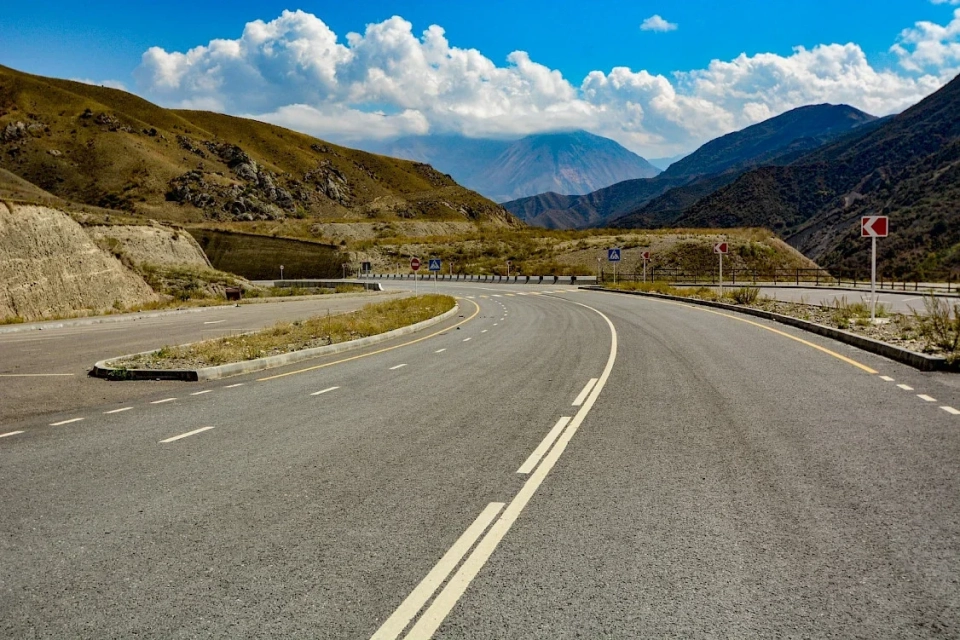
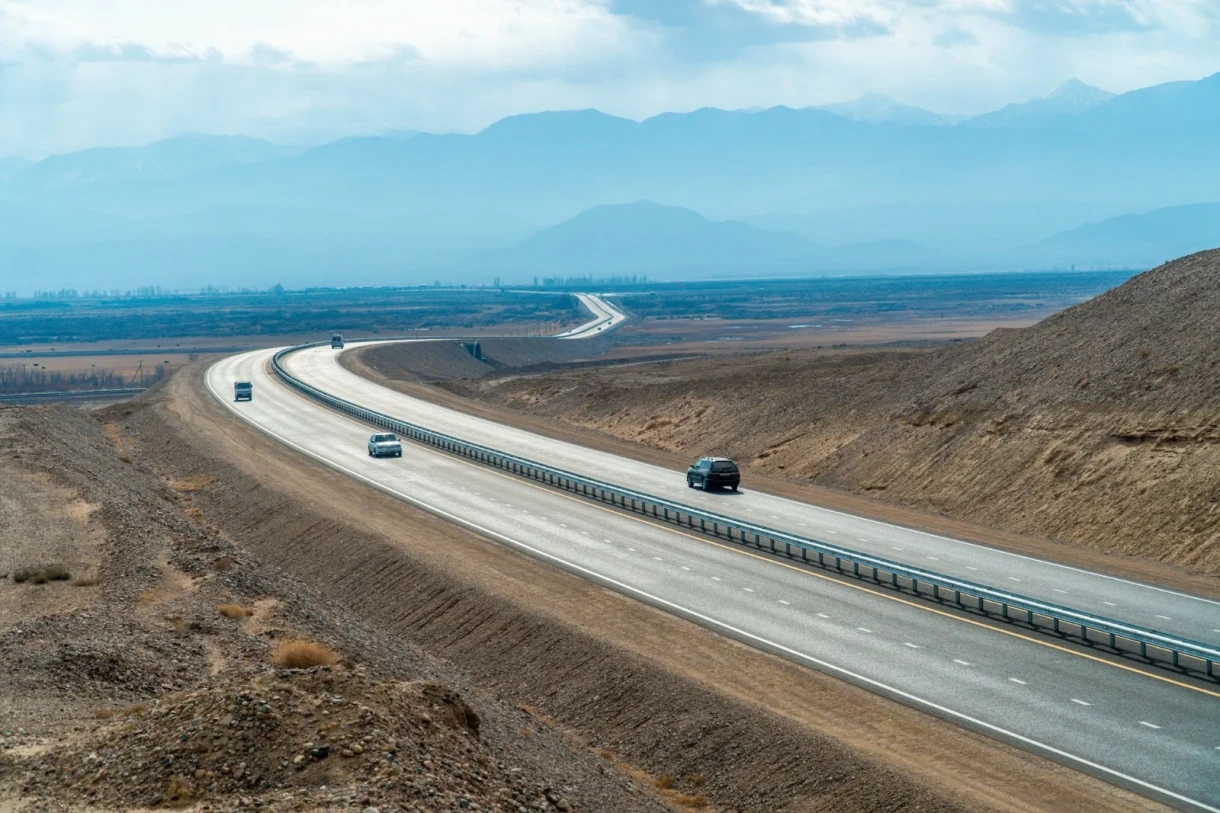
- 17.68 billion soms for the Barskoon – Bedel road project,
- 10 billion soms for social facilities, water supply, roads, and security.
The law regulates the norms for allocations from state revenues, including:
- income tax — 100% to local budgets;
- sales tax, mining, and e-commerce — 100% to the republican budget;
- royalties — shared 50/50 between local and republican budgets;
- fees for the use of subsoil resources: 93% — to the central budget, 7% — to local budgets.
The minimum wage is set for the following years:
- for 2026 — 3,280 soms;
- for 2027 — 3,608 soms;
- for 2028 — 3,968.8 soms.
Regional funding:
- 300 million soms is allocated for the development of the Osh and Batken regions;
- 814.4 million soms is provided for the development of districts;
- 5.9 billion soms is allocated for salaries of educational sector workers in Bishkek.
The law will come into effect on January 1, 2026.