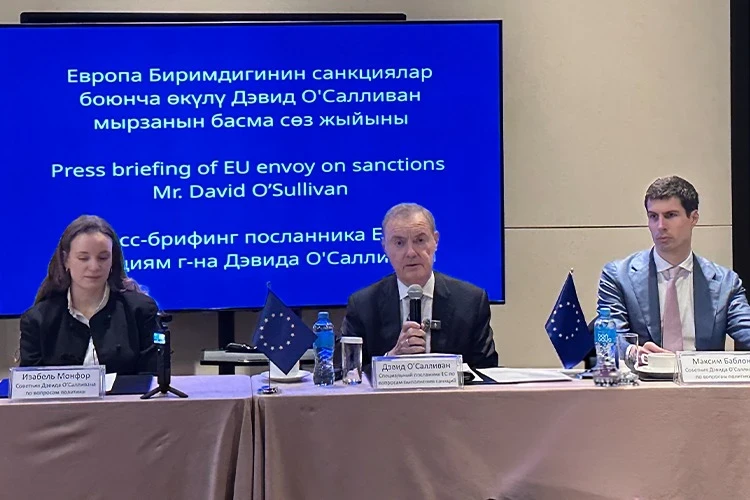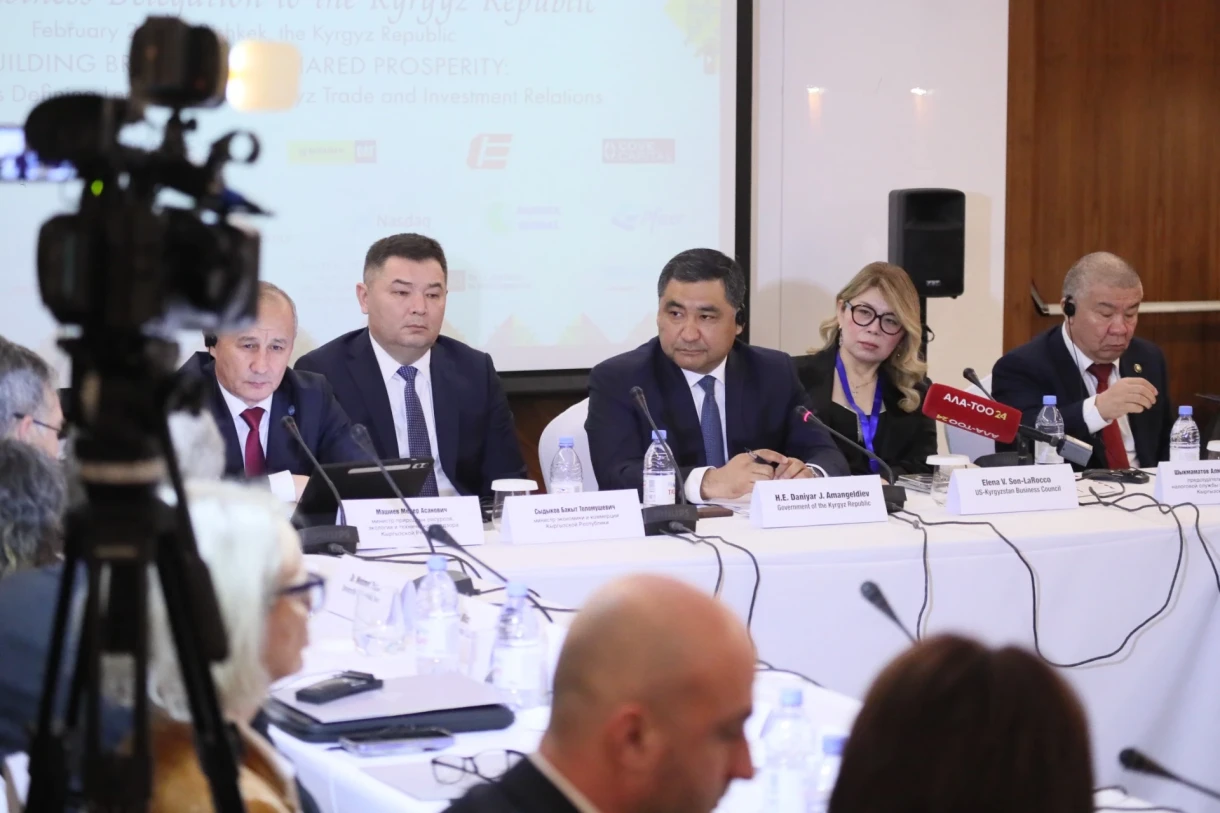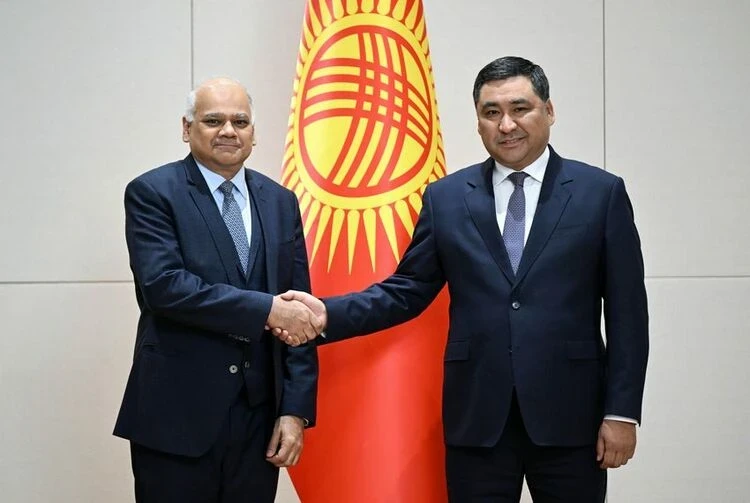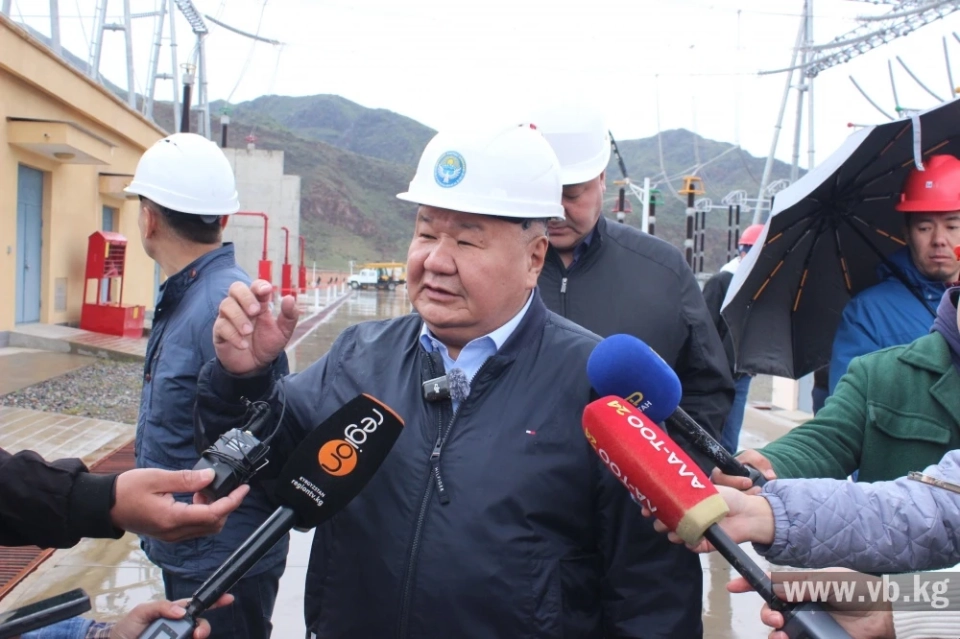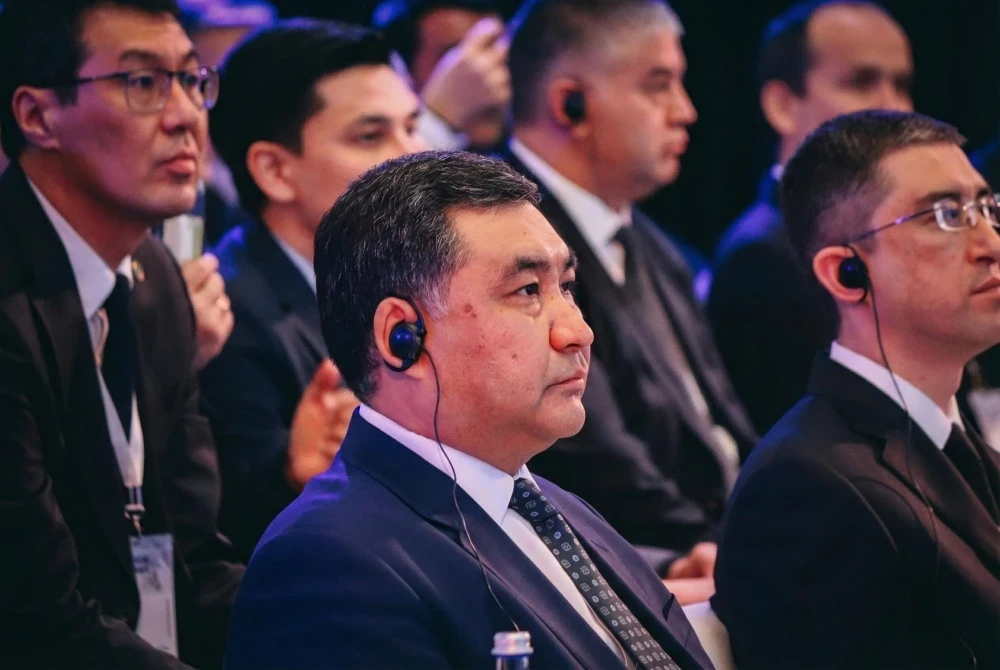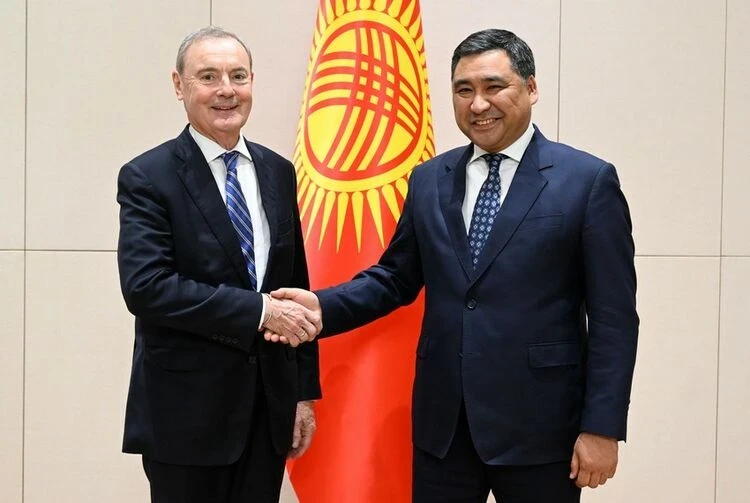
At a meeting between the First Deputy Chairman of the Cabinet of Ministers of Kyrgyzstan, Daniyar Amangeldiev, and the European Union's Special Envoy for Sanctions, David O'Sullivan, a joint plan aimed at lifting sanctions on the republic's banks was announced.
During the discussion, issues related to the compliance and application of restrictive measures were addressed. Amangeldiev emphasized that Kyrgyzstan is taking a prudent approach to risk management and is actively strengthening its financial monitoring systems.
The Kyrgyz delegation also noted that European exporters must be responsible for ensuring the integrity of their supplies by verifying their counterparties and the intended use of goods.
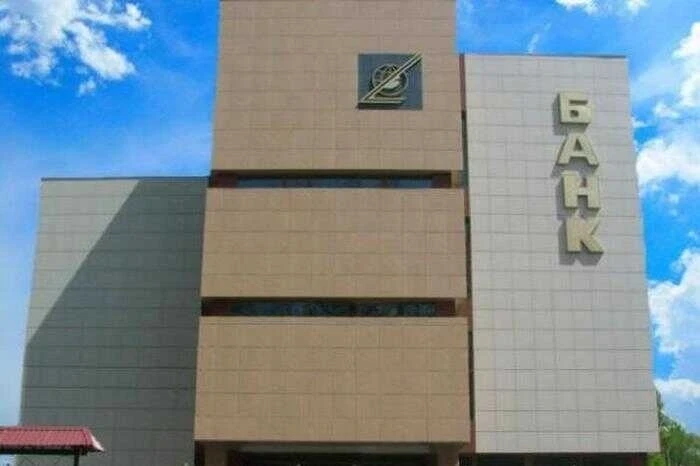
Emphasis was placed on the banking sector, and government representatives spoke about the blocking of suspicious transactions in commercial banks, as well as the implementation of new control procedures.
To improve coordination between the parties, it was proposed to establish clear criteria for risk assessment and ensure prompt feedback.
The parties outlined a sequential plan to address issues related to the restrictions imposed on certain financial institutions in Kyrgyzstan.
David O'Sullivan positively assessed the openness of the Kyrgyz authorities, adding that transparency is the foundation of trust from the international community. He also proposed specific measures for technical cooperation to remove banks from the sanctions lists and minimize potential risks in the future. At the end of the meeting, the parties confirmed their readiness for regular working contacts.
Sanction Pressure: Timeline
Sanctions from the EU and the US have affected companies from various countries, including Kyrgyzstan, due to suspicions of circumventing restrictions against Russia.
Kyrgyzstan has repeatedly emphasized the unjustifiability of the sanctions imposed against its banks. At the UN podium in 2025, President Sadyr Japarov condemned the West for these restrictions, calling them an interference in the internal affairs of the country and pressure that hinders the development of an economy that is still in the process of formation.