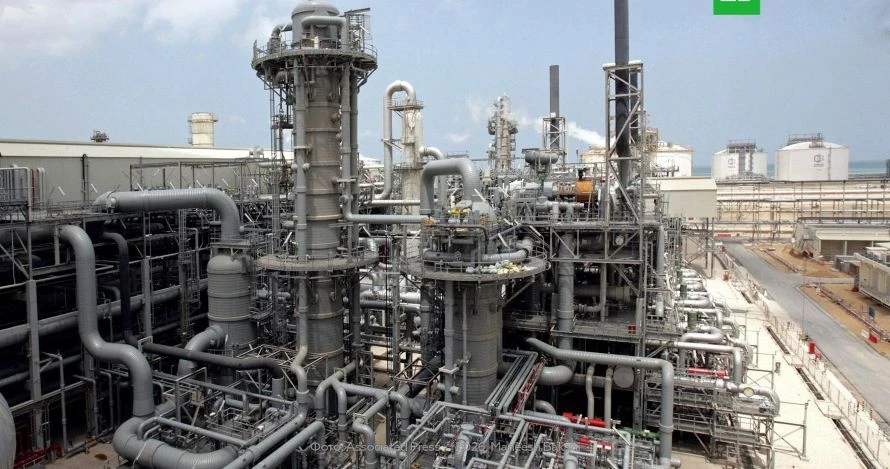
Photo by the media. QatarEnergy announced a temporary halt to LNG production in response to attacks on its facilities
According to information, halts have been implemented at energy facilities across the Middle East amid attacks from Israel and the U.S., as well as retaliatory actions from Iran. These measures are aimed at protecting infrastructure from potential damage.
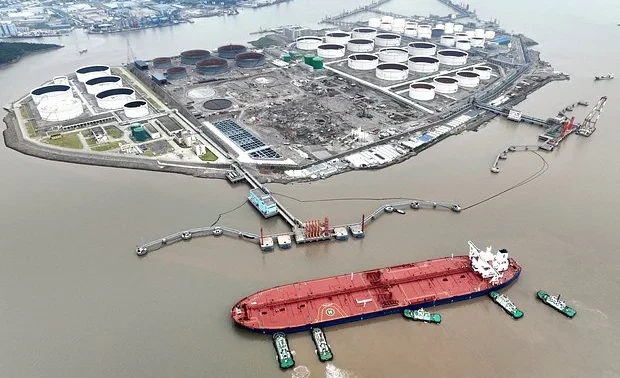
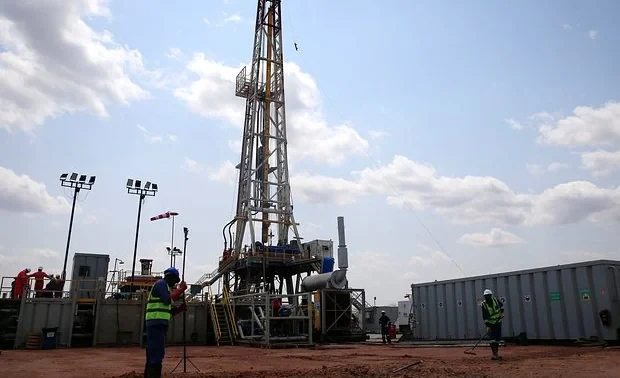
QatarEnergy suspended LNG production after attacks on facilities in Ras Laffan and Mesaieed, affecting operational production capacities. The company holds a leading position globally, producing nearly 20% of the world's total LNG.
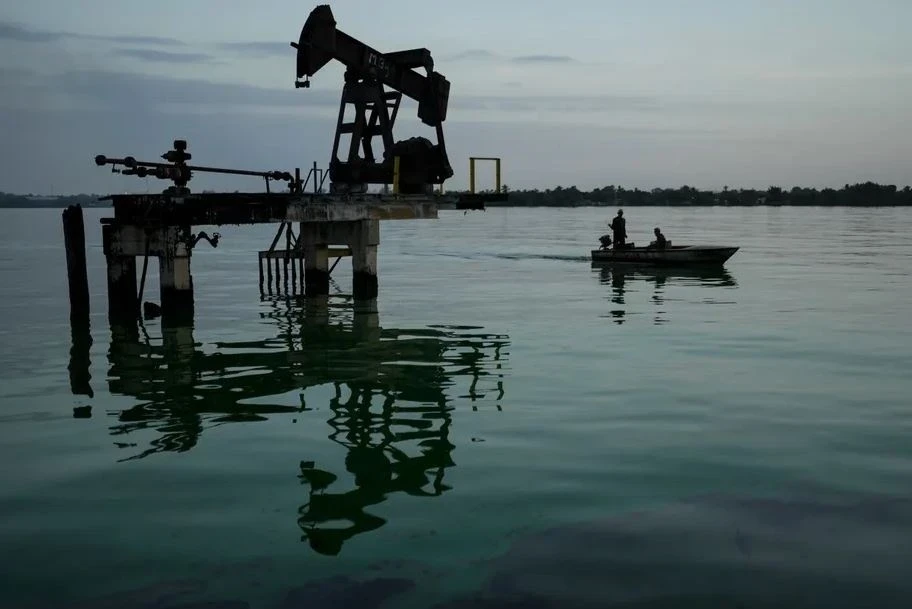
It is also reported that nearly the entire oil production sector in Iraqi Kurdistan has been suspended, along with the shutdown of several major gas fields in Israel, leading to a decrease in fuel exports to Egypt.
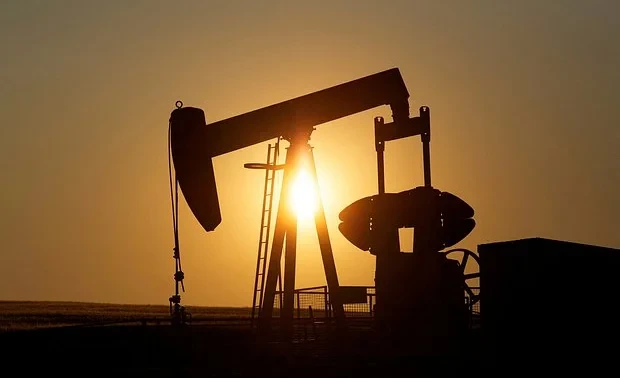
Oil prices have increased by 13%, reaching over $82 per barrel, linked to a sharp reduction in shipping through the Strait of Hormuz, through which about 20% of global hydrocarbon supplies pass.
Following a missile strike, Saudi Aramco closed the Ras Tanura refinery, which has a capacity of 550,000 barrels per day. This is a key facility for export infrastructure on the Persian Gulf coast.
In Kurdistan, companies DNO, Gulf Keystone Petroleum, Dana Gas, and HKN Energy have suspended production without reporting damage to their facilities.
The attack by Israel and the U.S. on Iran began on February 28, encompassing air and missile strikes on cities and military sites. In response, Tehran attacked Israel and U.S. military bases in several countries in the region. In the first hours of the conflict, several high-ranking Iranian officials and military personnel were killed. U.S. President Donald Trump announced the start of military operation "Epic Fury" following the initial attacks.
As a result of these events, Iran's Supreme Leader Ayatollah Ali Khamenei was killed, along with about ten high-ranking officials from Tehran.
Tensions in the Middle East remain high.