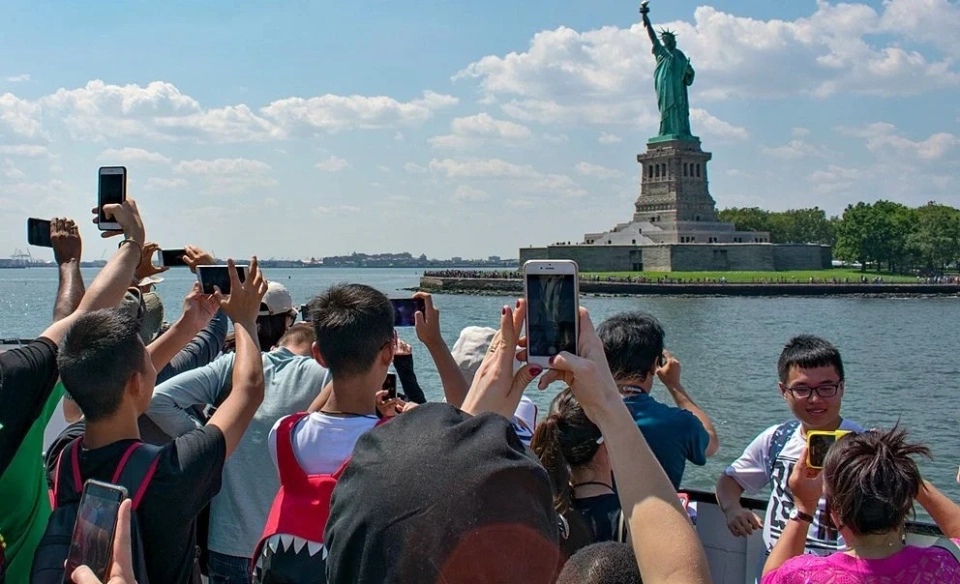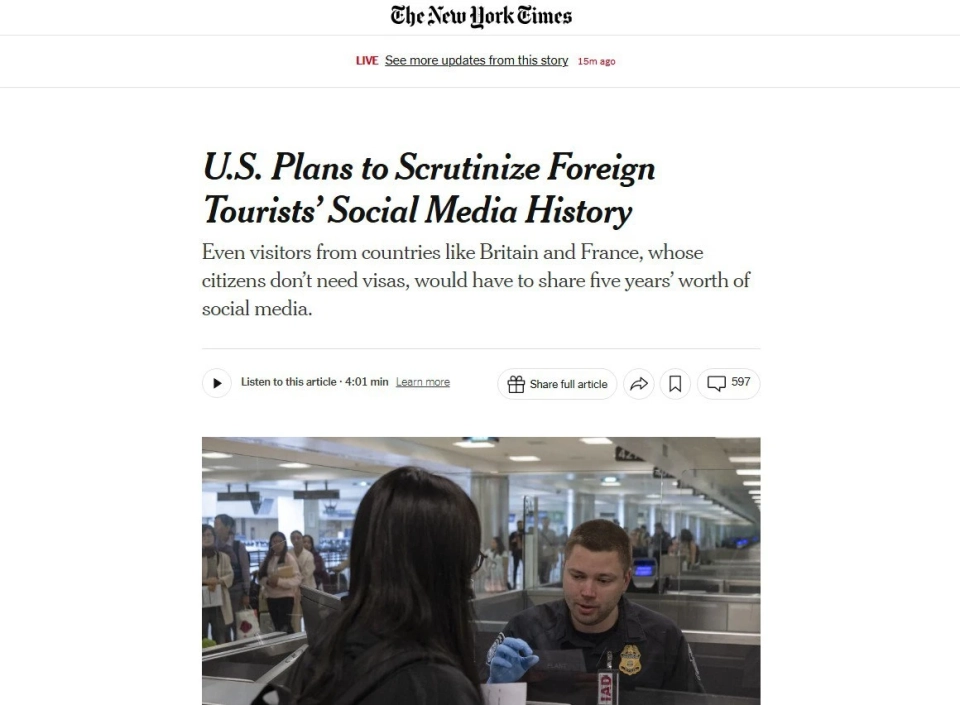
In the near future, tourists from 40 countries that have the opportunity for visa-free entry into the U.S. may face a new requirement. According to a draft document published by the U.S. Customs and Border Protection, they may need to provide information about their social media accounts for the past five years. This was reported by the BBC.
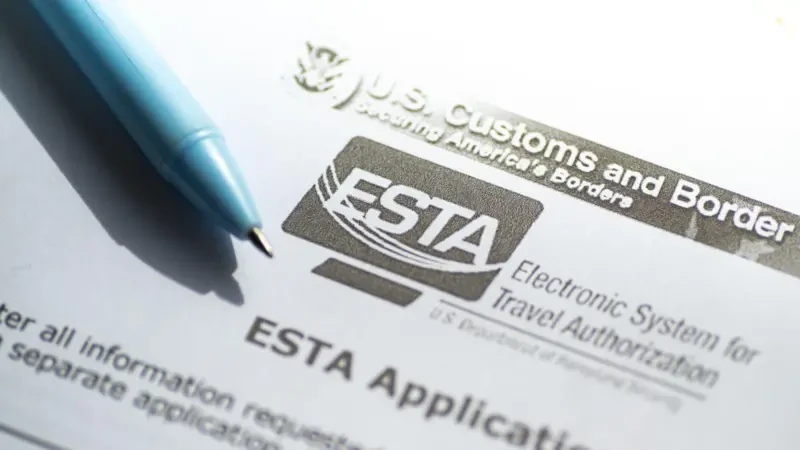
According to the plan, citizens of countries eligible for the Electronic System for Travel Authorization (ESTA) will have to undergo this check. These countries include 42 nations, almost all European countries, including the United Kingdom, as well as Australia, Brunei, Chile, Israel, Japan, New Zealand, Qatar, Singapore, South Korea, and Taiwan.
ESTA authorization is valid for two years, and one can stay in the U.S. for up to 90 days per visit under this program.
Since Donald Trump returned to the White House, there has been active work to tighten immigration measures aimed at enhancing national security.
Monitoring social media content for those applying for visas was introduced by the State Department at the end of May.
Critics of the new proposal express concerns that it may deter potential tourists and negatively impact the "digital rights" of applicants.
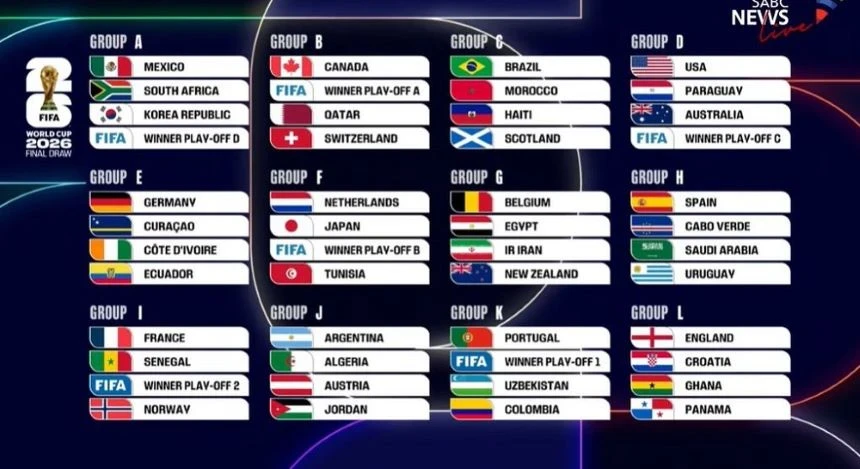
It is important to note that in 2026, the U.S., in conjunction with Mexico and Canada, will host the World Cup, and in 2028, Los Angeles will host the Olympic Games, which will attract many foreign guests.
According to American media, the proposal to check social media accounts was published in the Federal Register, which is the official publication of the U.S. government. The Customs and Border Protection (CBP) and the Department of Homeland Security invited citizens to share their opinions on the draft within 60 days.
The document states that when applying for ESTA, foreigners will have to provide information about their social media for the past five years without additional explanations.
It is also expected that applicants will be required to provide phone numbers and email addresses they used in the last five and ten years, respectively, as well as provide more information about their relatives.
Currently, to apply for ESTA, one needs to provide basic information about themselves and pay a fee of $40.
The draft also refers to a Trump directive signed in January to protect the country from foreign terrorists and other threats.
Sophia Cope from the Electronic Frontier Foundation, an organization advocating for internet user rights, noted in an interview with the New York Times that if this requirement is adopted, it will further exacerbate the state of civil liberties.
The law firm Fragomen, which deals with immigration issues, emphasized that social media checks will increase the waiting time for responses to ESTA applications, which are currently processed within a few hours.
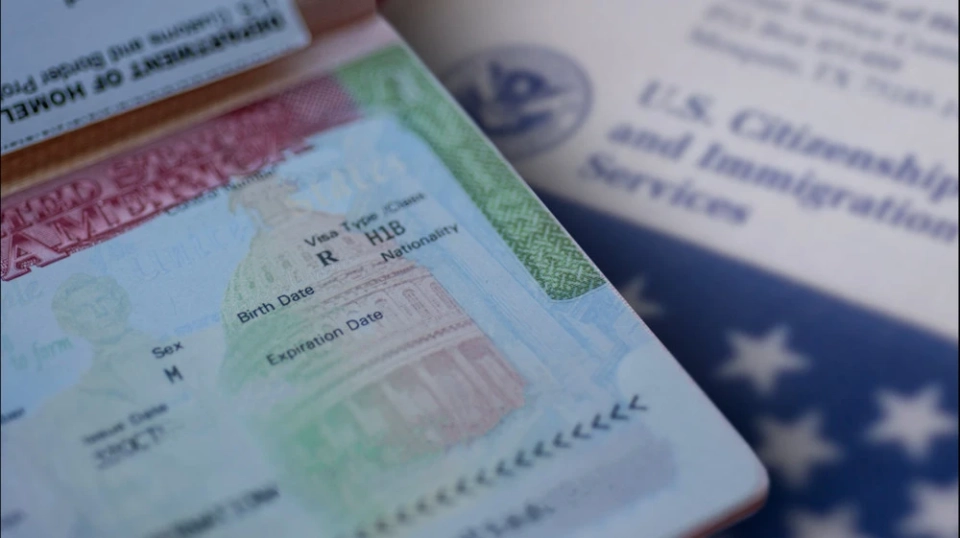
Previously, the State Department announced its intention to check social media accounts for those applying for student visas or H1B visas, as well as for their relatives, requiring full access to their posts.
Officials were instructed to look for signs of "support for foreign individuals recognized as terrorists or other threats to U.S. national security" in these posts.
Additionally, Donald Trump previously imposed a complete ban on the entry of citizens from 19 countries in Africa, the Middle East, and the Caribbean, with plans to expand this list in the future.