This deal, set to be finalized on January 22, will be the culmination of years of efforts by the U.S. government to force ByteDance to sell its assets in the country due to security concerns. It also aligns with an agreement reached in September when President Donald Trump postponed the implementation of a law that could have banned the app if it was not sold.
In TikTok's statement, they noted that this agreement will allow "more than 170 million Americans to continue discovering a world of limitless possibilities within an important global community." Under the terms of the agreement, ByteDance will retain 19.9% of the business, while Oracle, Silver Lake, and MGX will each receive 15% of the shares. The remaining 30.1% will be held by affiliates of existing ByteDance investors.
Earlier, the White House confirmed that Oracle, co-founded by Trump supporter Larry Ellison, will receive a license to use TikTok's recommendation algorithm as part of the deal. This agreement came after numerous delays.
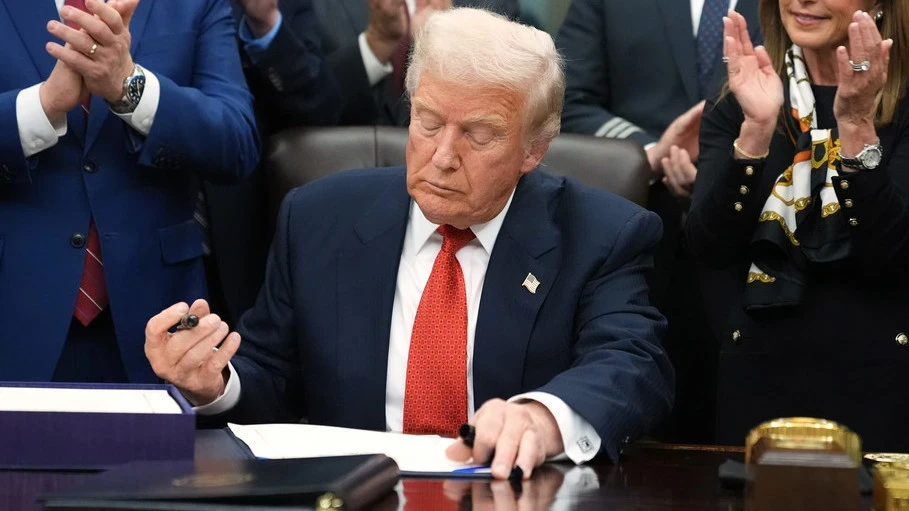
In April 2024, during Joe Biden's presidency, the U.S. Congress passed a law to ban TikTok over national security concerns if the app was not sold. The law was set to take effect on January 20, 2025, but Trump repeatedly postponed its enactment during negotiations over the transfer of ownership rights.
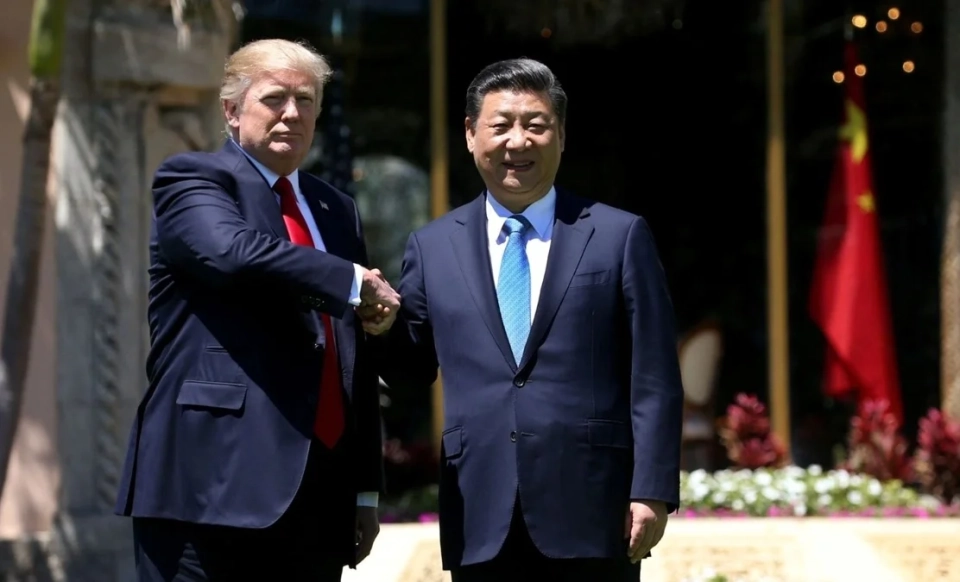
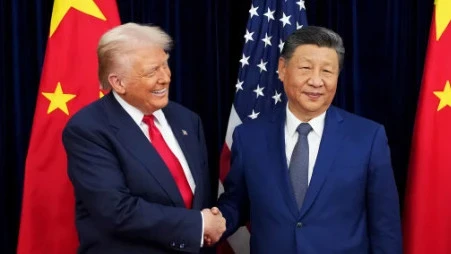
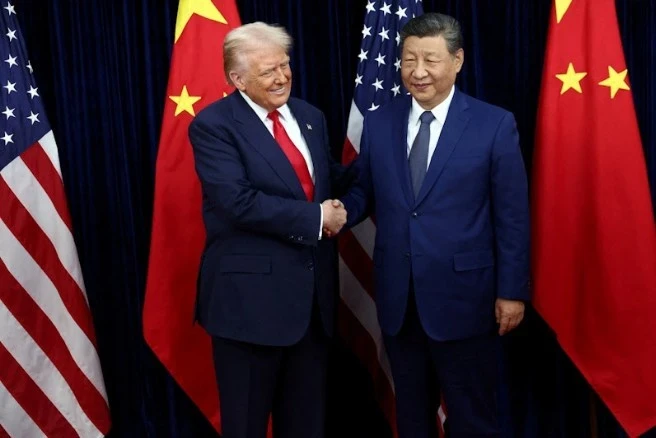
In September, Trump stated that he had discussed the deal with Chinese President Xi Jinping, who, according to the president, agreed to its continuation. After a personal meeting between the leaders in October, the future of the app remained uncertain, given the ongoing tensions in trade relations and other areas.
"TikTok has become an important tool in negotiations between the U.S. and China," noted Alvin Graylin, a lecturer at MIT. He added that Beijing's approval of the structure and licensing of algorithms appears to be a thoughtful de-escalation, allowing both sides to demonstrate their successes in the domestic market.
In response to a request for comment, the White House redirected the BBC to TikTok. Oracle and Silver Lake declined to comment on the situation, while MGX did not provide a response.
The deal has faced criticism from Democratic Senator Ron Wyden of Oregon, who stated that it "will not ensure the privacy protection of American users." Under the terms of the agreement, TikTok's recommendation algorithm will be retrained on data from American users to prevent external interference.
"It is unclear whether this will lead to the algorithm of TikTok being placed in more reliable hands," added Senator Wyden, who opposed the 2024 law and was among those lobbying for an extension of TikTok's deadline to give Congress more time to address concerns related to threats from China.
Some users also express concerns about the new phase involving investors. Small business owner Tiffany Chianci, who has over 300,000 followers and nearly four million likes on the platform, expressed hope that the new investors will maintain the previous user experience for entrepreneurs like her.
"I hope that small business owners will be protected," she noted. TikTok also reported that more than seven million small businesses in the U.S. use the platform to promote their products and services.
Chianci added that she cannot yet judge whether the app will remain viable for small businesses. She chose TikTok to promote her products because the platform offers more favorable profit-sharing terms compared to competitors like Meta. Over the past year, Chianci has actively conducted protests in Washington and on TikTok aimed at protecting the app.