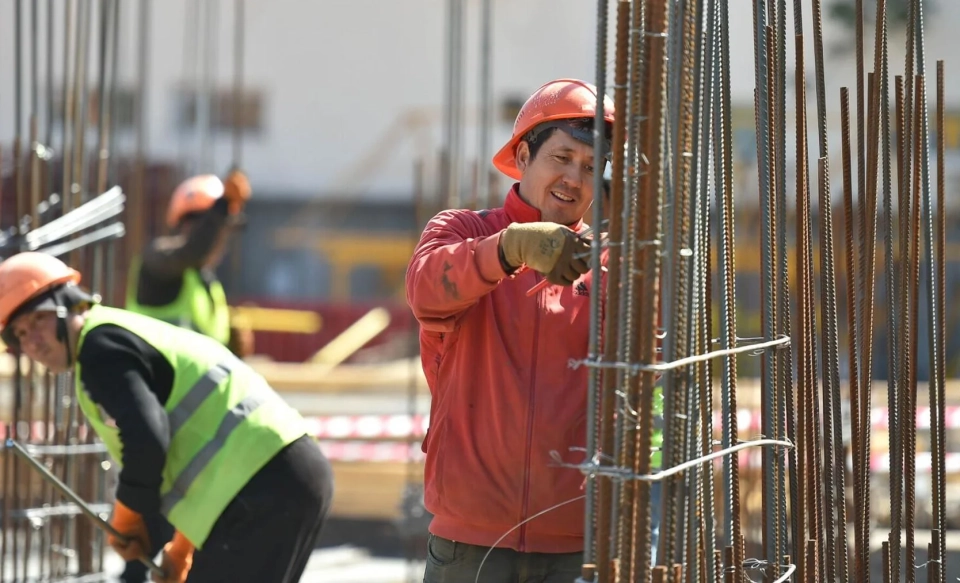
In 2025, an updated Labor Code was adopted, focusing on achieving a balance between the interests of employers and employees. The new document introduces mixed and remote forms of employment, as well as establishes quotas for people with disabilities and graduates of orphanages.
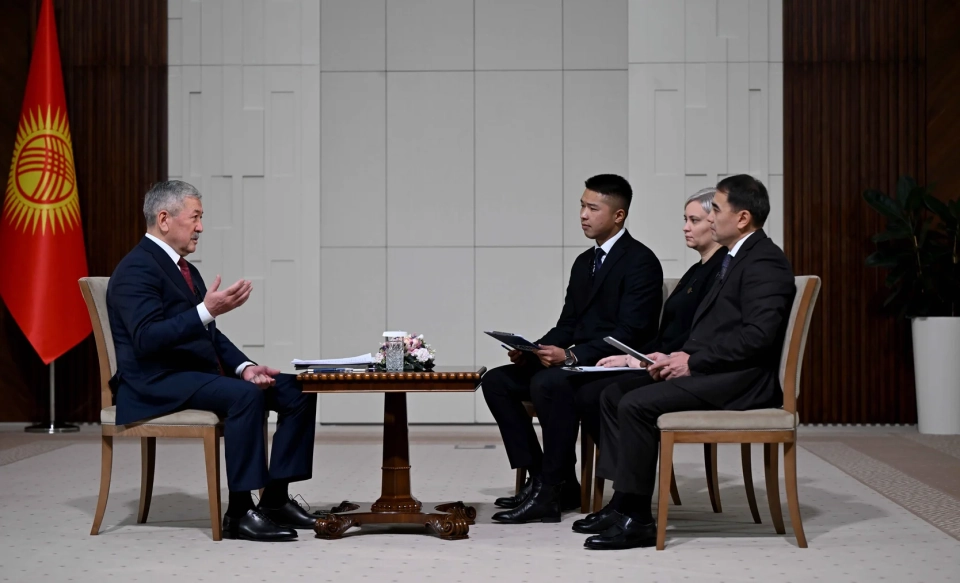
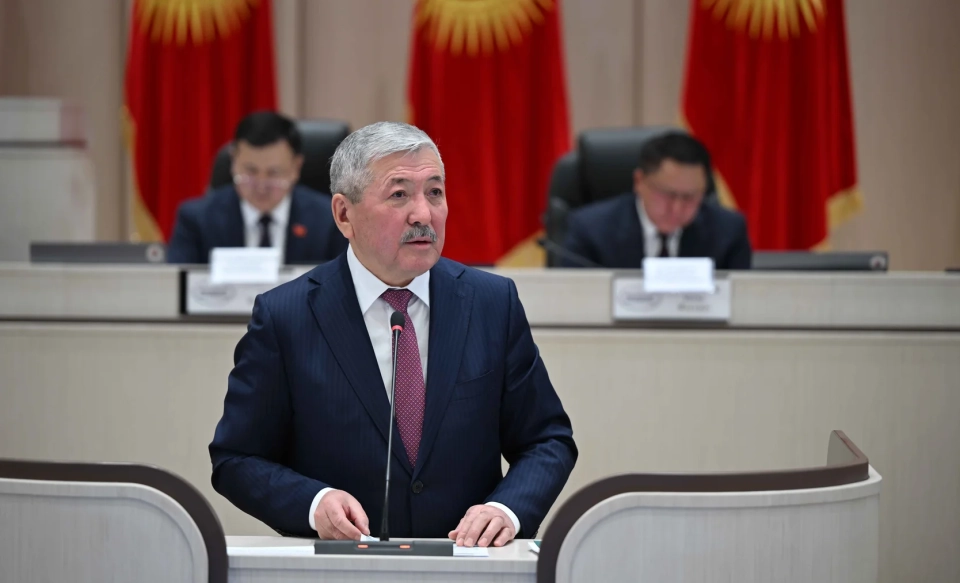
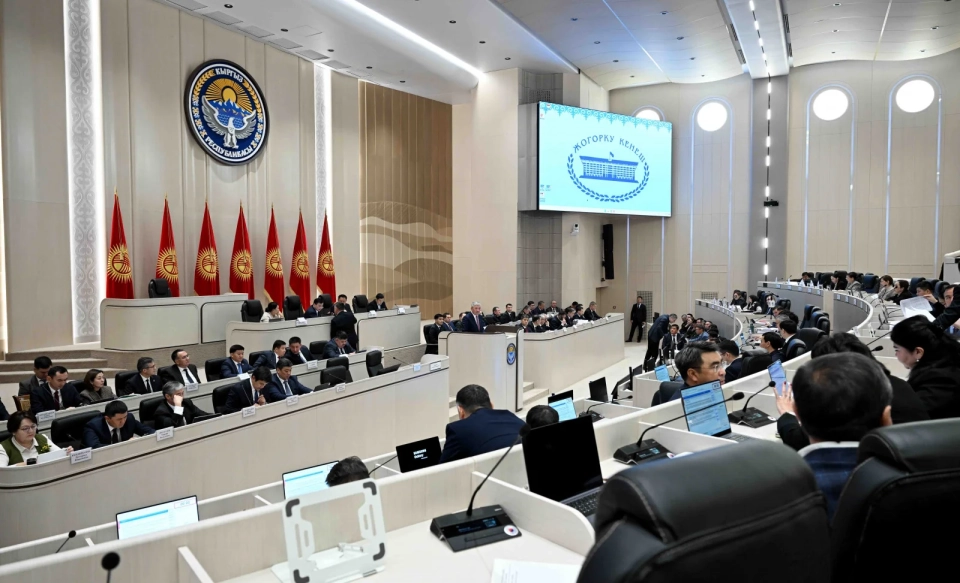
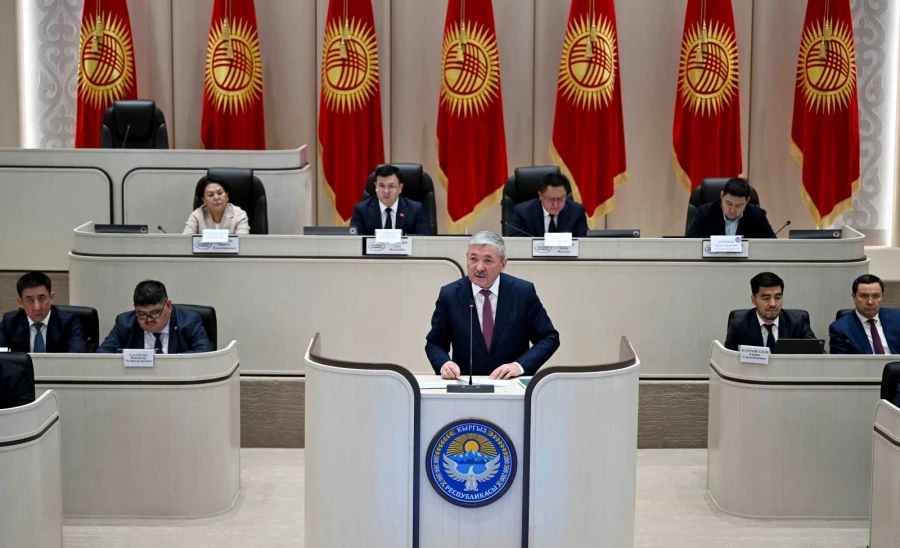
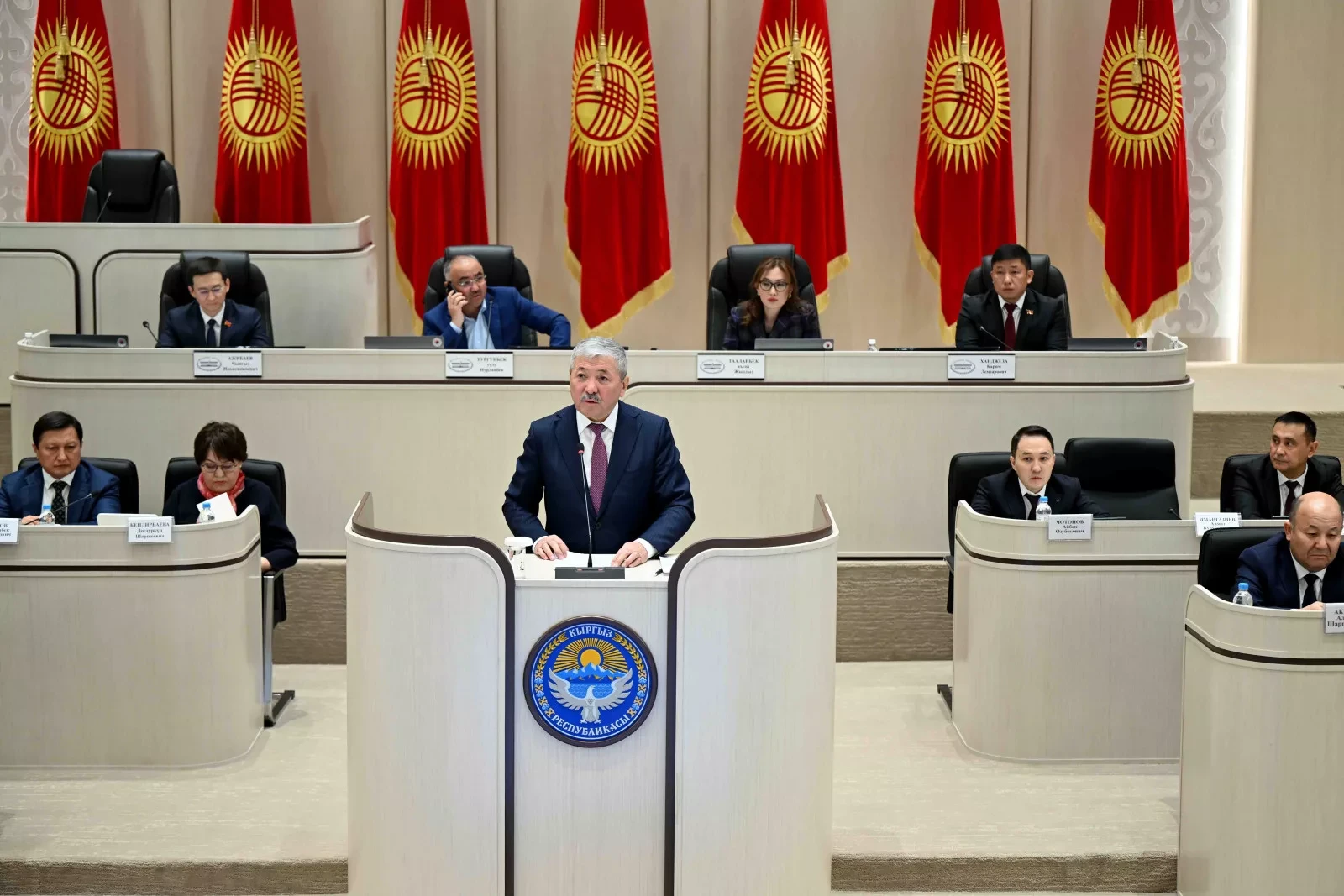
Over the past two years, there has been a noticeable increase in employment in Kyrgyzstan. In 2024, 263.1 thousand jobs were created, and an additional 229.2 thousand were added in the first nine months of 2025. These figures reflect the systematic work of the government to expand the labor market and stimulate economic activity, as noted by the Chairman of the Cabinet of Ministers of Kyrgyzstan, Adylbek Kasymaliev, during a plenary session of the Jogorku Kenesh.
“Social protection of the population is also being strengthened. Over the past two years, the salaries of certain categories of budget employees, including medical workers, have been increased. In the first ten months of 2025, the average monthly salary amounted to 42,919 soms, which is 19.2% higher compared to the same period last year. Additionally, pensions have been increased: the minimum amount reached 7,500 soms, and the average pension is 11,254 soms,” Kasymaliev reported.
The head of the Cabinet of Ministers added that programs "Bala Berekе" and "Kelechekke Salym" are being implemented to support large families, children, and regions.
“As part of these initiatives, accounts have been opened for 3,100 children, to which 548.3 million soms have been transferred. The 'Social Contract' project, initiated by the President, continues,” he emphasized.
Kasymaliev also noted that the development of human capital remains a key direction of state policy.
In the field of preschool education, in 2025, the coverage of children reached 44.3%, which is twice the level of 2020, with the number of children attending kindergartens exceeding 257 thousand. By 2030, it is planned to increase this coverage to 80% by opening at least 200 new kindergartens annually,” he added.
The head of the Cabinet of Ministers also reported on systematic work in school education aimed at eliminating infrastructure constraints arising from demographic growth and migration.
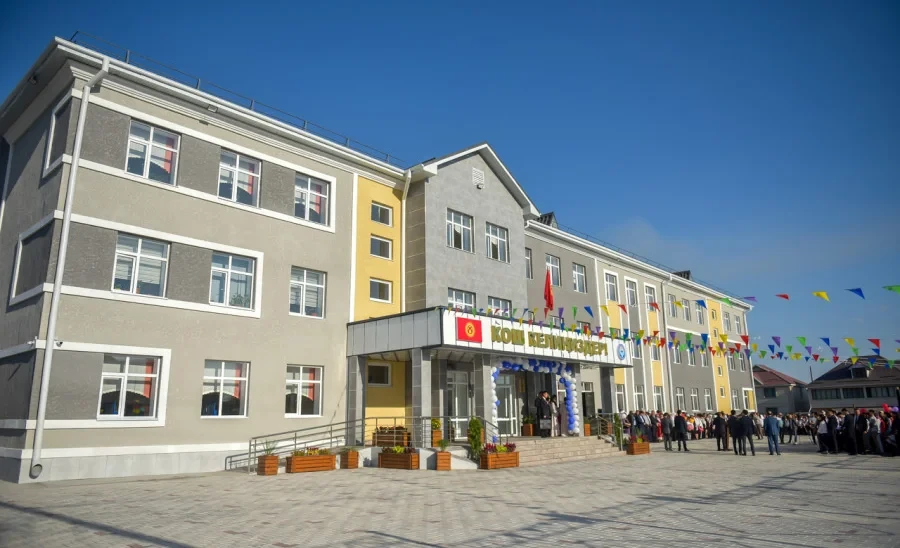
“In 2026, it is planned to build 20 new schools in Bishkek, 10 in Osh, and 6 in Manas. All emergency schools will be overhauled. The reform to transition to 12-year education is ongoing, digitalization of education is being implemented, and curricula are being updated. Textbooks will be available in the electronic library. For the first time, about 1 billion soms have been allocated for the publication of textbooks in the country, which will strengthen domestic production and reduce dependence on imports. The President's directive to provide laptops to every teacher is also being implemented. The system of primary and secondary vocational education is receiving an additional boost under the 12-year program 'Altyn Kazyq', which contributes to enhancing the prestige of working professions and meeting the demand for qualified personnel,” he noted.
Regarding higher education, Kasymaliev mentioned that universities are strengthening their material and technical bases, enhancing their international status, and implementing their own infrastructure projects. Within the framework of the scholarship program 'El Umutu', 87.8 million soms have been allocated for the education of gifted youth abroad.
Furthermore, the head of the Cabinet of Ministers addressed health care issues, calling this area “a key priority of social policy.”
“In 2024, 36.3 billion soms were allocated from the state budget for health care. Five major medical facilities were built, access to medical services in the regions was improved, and institutions received new ambulances. Currently, 39 medical buildings are under construction, 27 facilities have been completed, and the construction of new perinatal centers has begun. Modern medical equipment has been purchased, including ultrasound machines for the regions. Over the past two years, 45 kidney transplant surgeries have been performed using the budget. In the future, the construction of a 'Medical City' and the creation of a modern medical hub are planned. All these measures are aimed at strengthening social stability, creating jobs, and improving the living standards of the population, which is a strategic priority of the state,” he summarized.