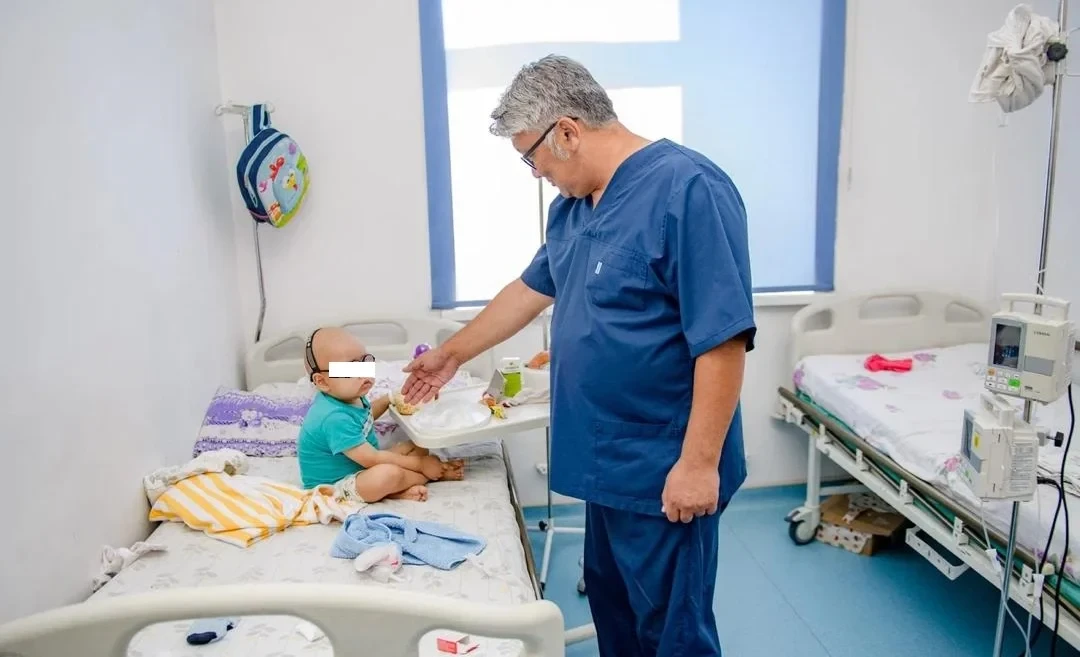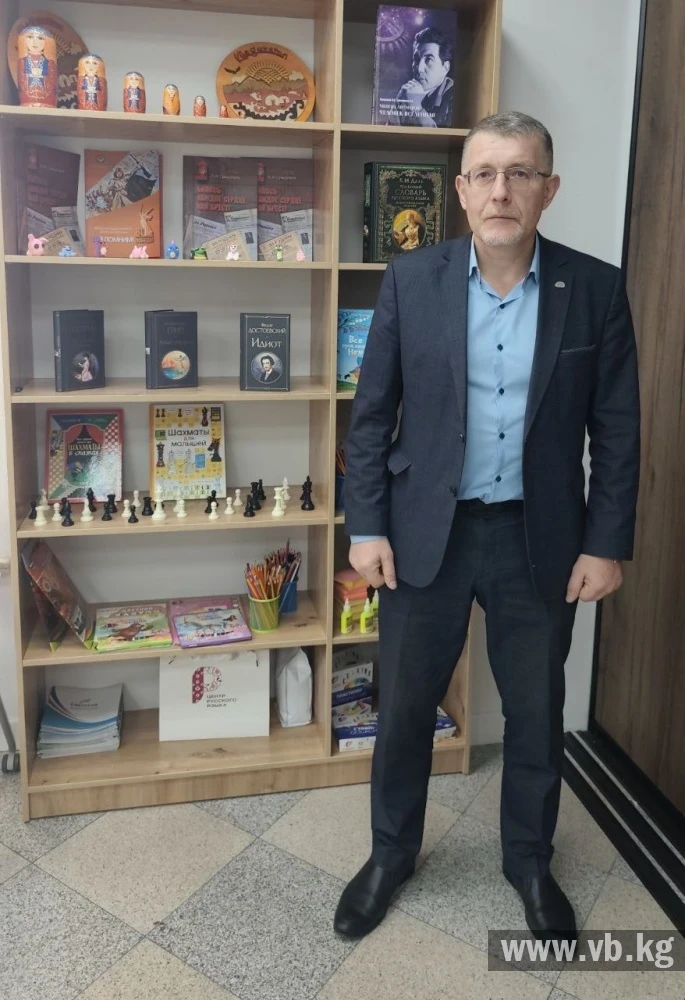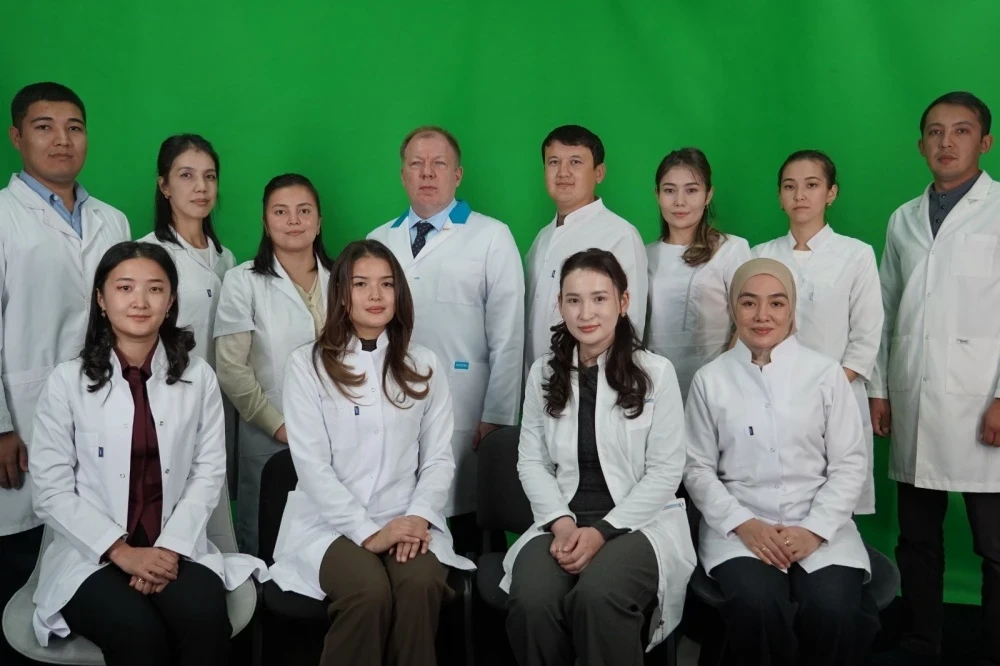
Professor Igor Pershukov, who heads the Department of Hospital Therapy at the Medical Institute of Jalal-Abad State University, also teaches at the International Medical Faculty of Osh State University and is a professor of general medical training at the Kazakhstan-Russian Medical University in Almaty. This outstanding scholar, who moved from Russia to Kyrgyzstan last year, aims to make Jalal-Abad University known on the international stage.
During our interview, we discussed what prompted the professor to choose Kyrgyzstan and what his ambitious plans are.
"I will make sure that JAGU becomes a university that is talked about all over the world"
- Why Kyrgyzstan? (For me, as a person from the Soviet past, it is nice to use this name). This question is both simple and complex. Kyrgyzstan has become a special place for me because I met Talant Batyraiev almost 30 years ago. This seemingly stern man is actually very multifaceted and a high-class professional who cares about people. I did not immediately learn about his unique qualities. His ability to attract people, including myself, played a key role in my choice. I became part of an international group of doctors formed in the 90s, which continues its work in Turkey, Russia, and other countries. Later, I became the secretary of this group, which opened new horizons in cardiology for me that I had not seen even in Moscow.
Talantbek Abdullayevich is a true patriot of his country. He trained Russian doctors in Turkey and helped Kyrgyz specialists gain education and practical experience in Russia and Turkey, and he did this sincerely, not for publicity. Yuri Vladimirovich Pya, a cardiac surgeon, followed his example, significantly improving the cardiac surgery system in Kazakhstan upon his return.
Talantbek constantly worked on improving the quality of medicine in the CIS, organizing meetings for doctors and creating training centers. Thanks to this, I was able to change my approach to practice, and my knowledge became more relevant and effective. We began conducting schools for doctors in Russia and Kazakhstan and observed real interest in new treatment methods.
Friendship with Batyraiev opened doors for me to the American Society of Cardiovascular Angiography, where I became the first member from Russia. Later, in 2012, I was accepted into the American College of Cardiology as an honorary member.
My work in Kyrgyzstan is a response to Talant's request to help his homeland in the field of education. In 2015, I began teaching remotely at Osh State University and gradually got to know the medical community in southern Kyrgyzstan. I noticed positive changes in the faculty composition and an increase in knowledge among students. In recent years, our students have successfully defended their dissertations, and one of them became the head of the department.
In 2025, I was offered to head the clinical department at JAGU, and I gladly accepted. This coincided with my ambitions, and since then I have been actively working at Manas, supervising five graduate students. Our medical faculty shows great promise, and we actively collaborate with colleagues from Russia and Kazakhstan.
How did you become a world-renowned scientist?
- In 1994, I graduated from Kuban State Medical University and entered a residency in cardiology. My path in cardiology began in the arrhythmia department, where my mentor was Irina Savelieva. Later, I moved to angiography, where Anatoly Samko, a recognized master of his craft, became the supervisor of my candidate dissertation.
In 1996, I entered graduate school and defended my candidate dissertation in 1999. Since then, I have worked many years in cardiological practice, which allowed me to accumulate significant experience and develop effective treatment methods.
In 2000, I returned to Voronezh, where I continued my practice while also engaging in scientific activities. In 2010, I switched to outpatient cardiology, which allowed me to serve a large number of patients.
Since 2017, I have been involved in cardio-oncology, providing support to cancer patients. In 2020, I returned to state medicine but continued private practice.
In recent years, I have been actively teaching young doctors, sharing my experience and knowledge.
What do you think about treatment?
- I have a special approach to treatment based on analysis and understanding the needs of patients. I teach my patients to be "smart" and understand how their medications work. This minimizes risks and prevents complications.
Medical care in Kyrgyzstan may be less accessible than in Russia; however, there are opportunities to improve the quality of treatment. We are actively working to enhance education and practice among doctors.
Unfortunately, there is no perfect treatment. Chronic diseases, such as hypertension, require constant monitoring and treatment, not temporary solutions.
I teach my patients to properly understand their diseases and the necessity of treatment so that they can make informed decisions about their health.
What are your impressions of life in Kyrgyzstan?
- Life here is multifaceted. I appreciate the openness and sincerity of the people, their attitude towards children, and their traditions. However, there are also problems, such as unstable electricity supply and violations of traffic rules, which can be dangerous.
In the kitchen, I see many interesting dishes, but for me, they are too high in calories. I prefer lighter and healthier food options.
I strive for JAGU to become a university that is talked about on all continents, and I hope for the development of medical education in Kyrgyzstan.
Elena Bayalinova,
media expert on health issues.