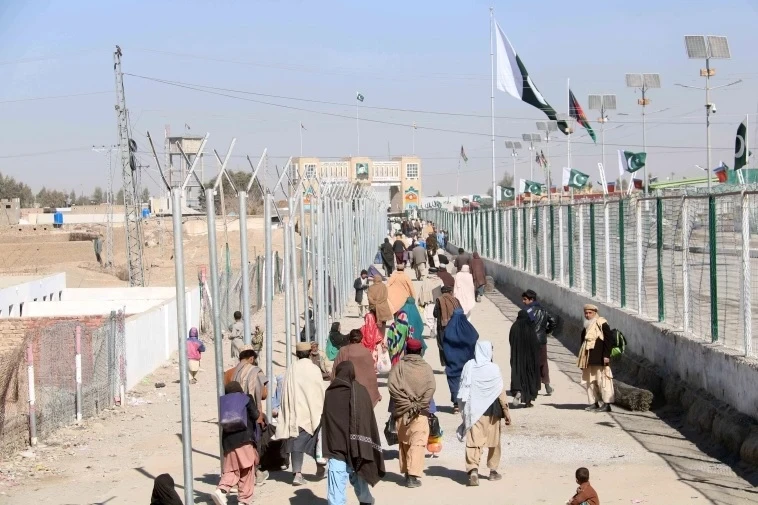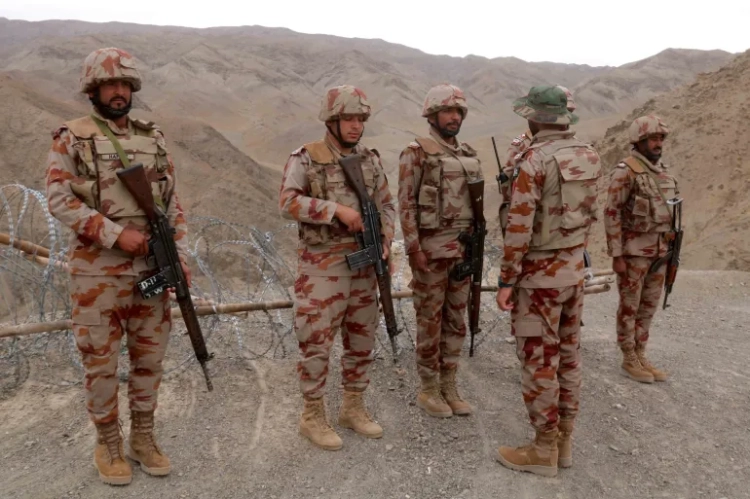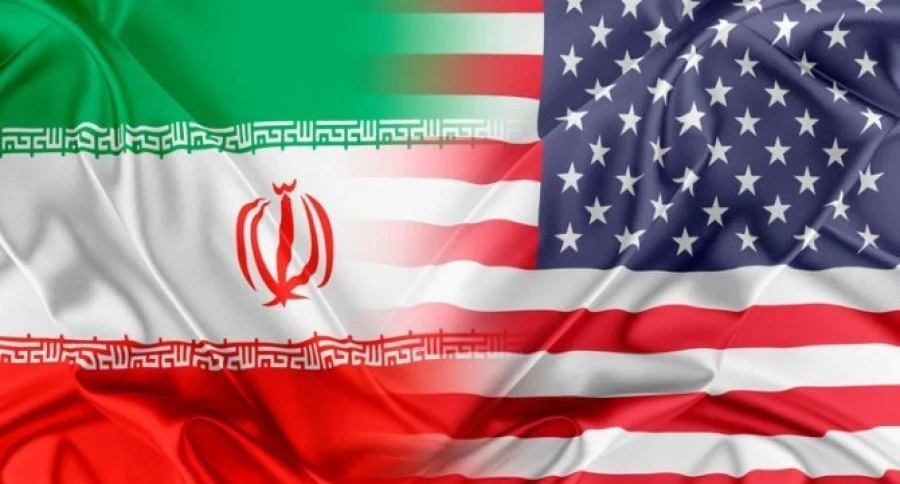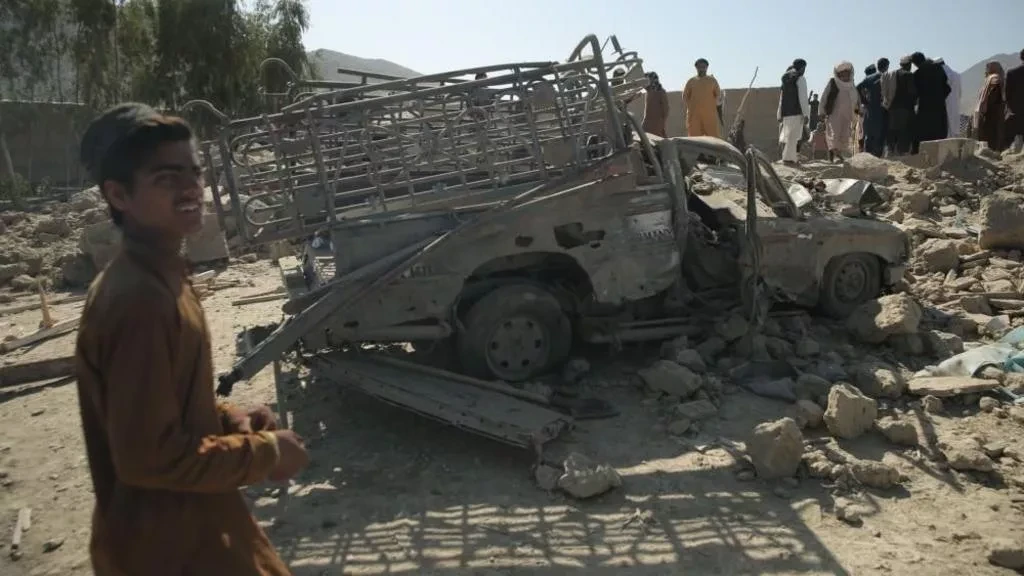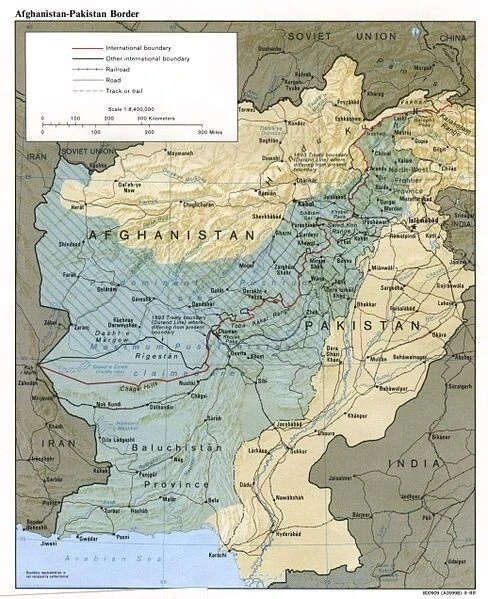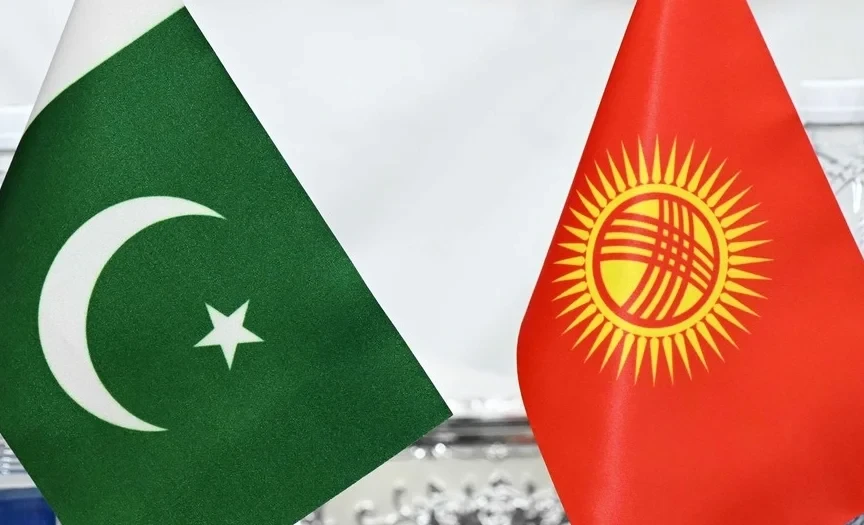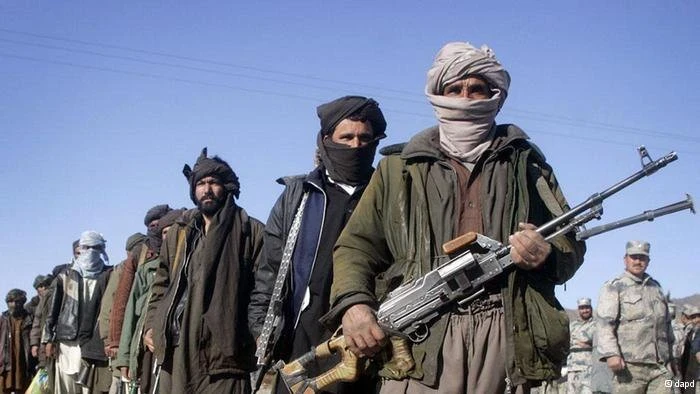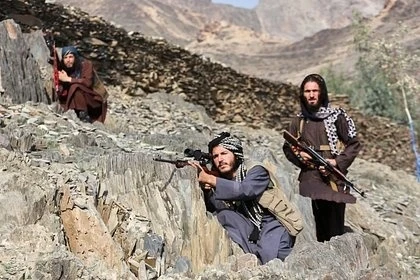
The situation along the Durand Line, which stretches 2,600 kilometers of challenging terrain, may prove significant not only for the two countries. According to The Wall Street Journal, the U.S. administration views the current escalation of conflicts as a means to create a "sanitary cordon" around Iran. With Western fleets controlling maritime routes in the Persian Gulf, the land corridor through Afghan and Pakistani territories has remained the only reliable route for China to support Iran. However, this route is now effectively blocked.
According to analysts at Reuters, the U.S. is leveraging military influence over Pakistan to implement its strategies. Supporting Islamabad in its fight against the Taliban on the southern and eastern borders of Afghanistan allows Washington to completely isolate Iran from the east. While Israeli and American aviation strikes Iranian targets as part of Operation "Shield of Judah," the chaos that has arisen along the Durand Line deprives Tehran of the ability to receive cargo from Xinjiang. Any attempt by China to assist Iran faces risks in an active combat zone.
Expert in Eastern studies Alexander Knyazev noted in an interview with RIA Novosti that the destabilization of the border region threatens the realization of Xi Jinping's "project of the century" — the China-Pakistan Economic Corridor (CPEC). He believes that maintaining conflict in this region benefits the U.S., as it forces Beijing to expend vast resources to protect its investments in Pakistan's Balochistan instead of supporting Iran. Escalations along the Durand Line jeopardize Chinese investments, turning strategic routes into risk zones.
According to The New York Times, the American strategy aims to limit Chinese influence within its own borders. While Pakistan and the Taliban engage in mutual combat in the mountains, plans to construct direct routes from China to Iran through the narrow Wakhan Corridor remain only on paper. As reported by Al Jazeera, China faces a challenging task: supporting one side of the conflict will inevitably lead to a loss of trust from the other. This deprives Beijing of the opportunity to act as a regional arbiter and hands the initiative to the U.S., which, through control over Pakistani logistics, can dictate terms for any cargo. As a result, what appears to be chaos between Kabul and Islamabad actually serves as a mechanism to weaken the Iranian economy and undermine China's ambitions.