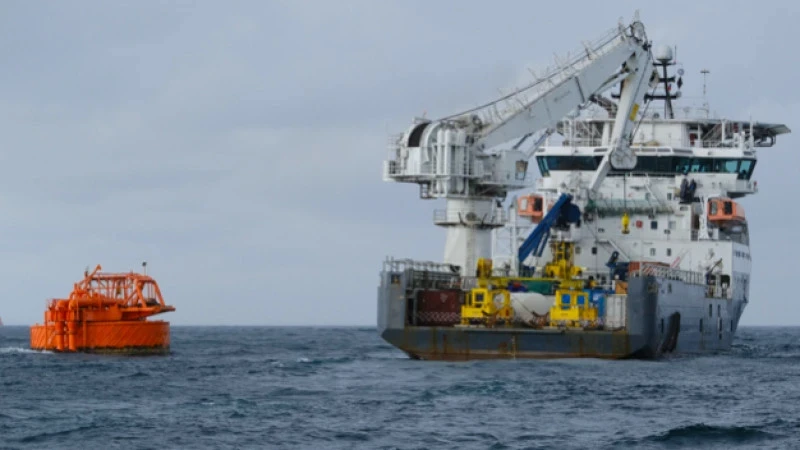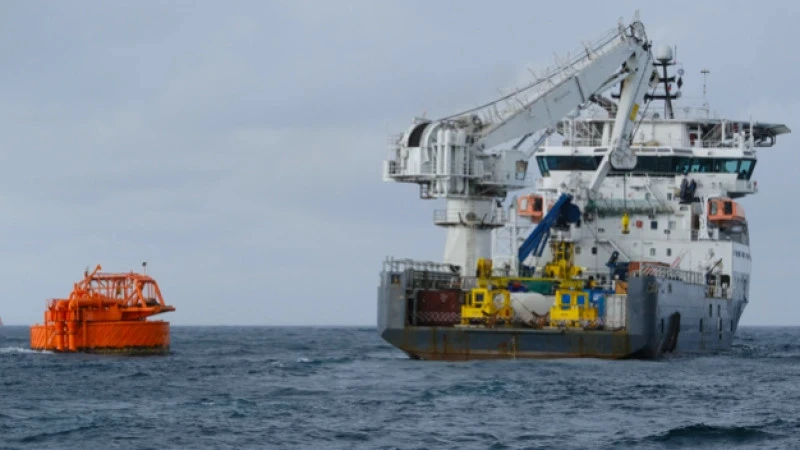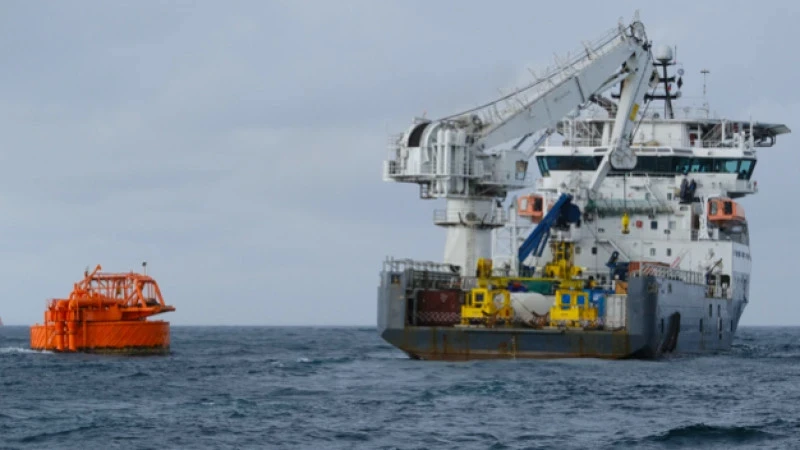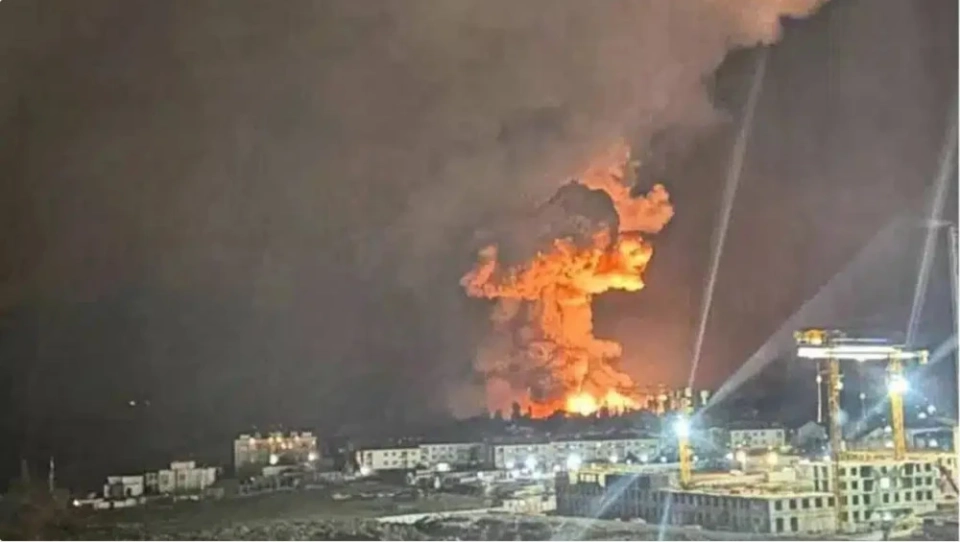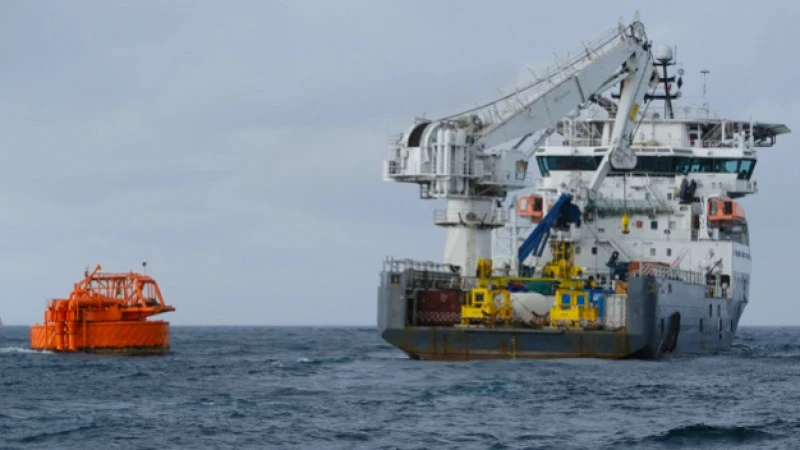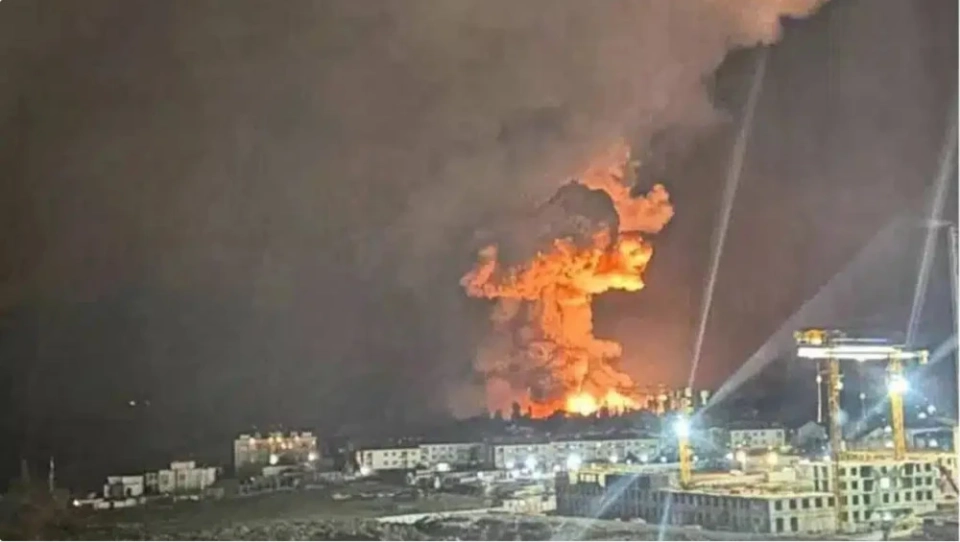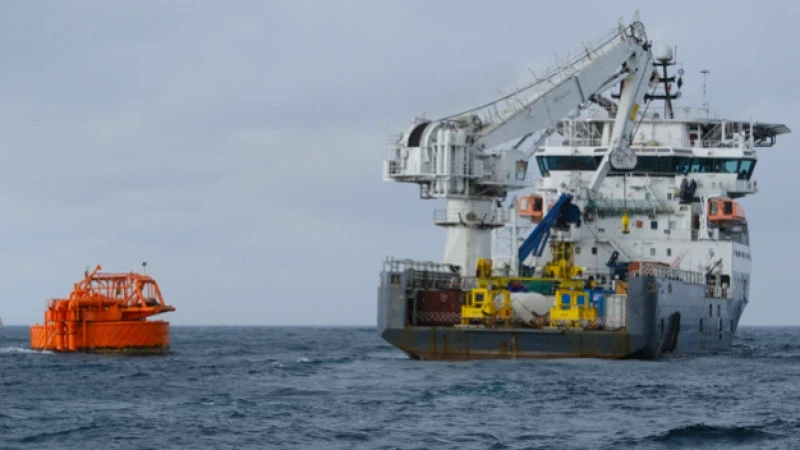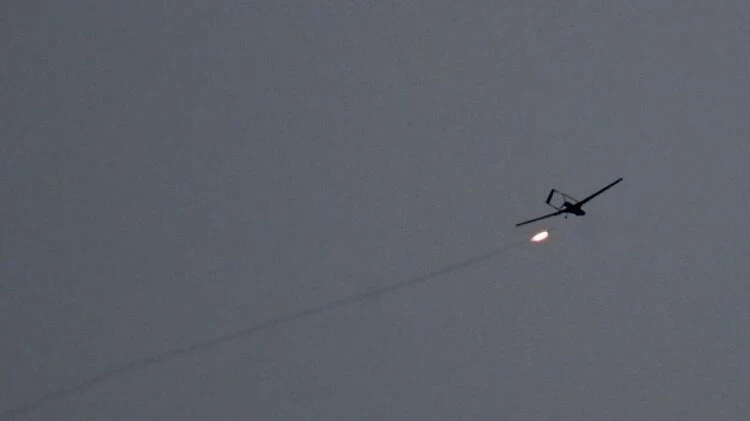
Kazakhstan is making decisions about new export routes due to a decline in transshipment volumes at the Black Sea terminal CPC, which was damaged by an attack from Ukrainian drones. As a result of the incident, one of the offshore mooring devices (OMD-2) sustained significant damage. The Ministry of Energy of Kazakhstan has not yet made an official statement regarding the supply of Kashagan oil to China, but it has confirmed that it is seeking new ways to export Caspian oil. In response to a request from Reuters, the ministry noted that the incident at the marine terminal did not lead to a complete halt of export operations and that work is underway to redistribute oil volumes using alternative routes.
Kazakhstan's Minister of Energy Erlan Akkenzhenov stated that using the Kazakh pipeline for supplies to China is a logical step for the development of hydrocarbon exports. "This is not surprising. We have an existing route, and if the shareholders are interested in supplies to China, it is quite possible," he added at a meeting of the KAZENERGY oil and gas association.
However, the minister acknowledged that alternative routes are currently unable to fully replace the volumes exported through the CPC. "As of today, the CPC remains the only route that can provide a volume of 65 million tons, which we export. Other routes cannot handle such volumes," Akkenzhenov noted.
Among the possible alternatives to the CPC, he mentioned exporting through the port of Aktau with subsequent transportation via the Baku-Tbilisi-Ceyhan pipeline (Azerbaijan-Georgia-Turkey) or through Russia's Makhachkala, as well as ports in the Black and Baltic Seas.
The head of the Ministry of Energy emphasized that the responsibility for the safety of oil transport infrastructure lies with the country in which it is located, and in the case of Kazakhstan, this is the responsibility of the Kazakh side.
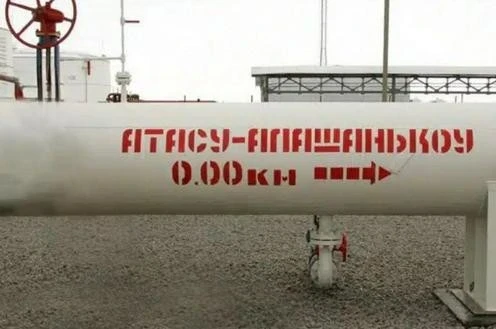
The Atasu-Alashankou pipeline connects Kazakhstan with the Xinjiang region in China and is usually used for transporting oil from other fields. Supplies along this route average 85-86 thousand tons per month, and Kazakhstan plans to increase volumes, aiming to ship 1 million tons in 2025, which is less than the 1.2 million tons in 2024. In the first 10 months of 2025, 0.858 million tons were exported to China.
Recently, the marine infrastructure of the CPC near the port of Novorossiysk was attacked using drones, resulting in damage to one of the offshore mooring nodes and its temporary shutdown. Oil and gas experts are currently analyzing the possibilities of redirecting export flows to alternative routes.
At the moment, one of the three offshore mooring devices at the terminal is damaged, another is under repair, and only the third is operational. The Ministry of Energy has quickly begun implementing a plan to diversify export routes and redistribute oil volumes to minimize the impact of the attack and support production at major fields.