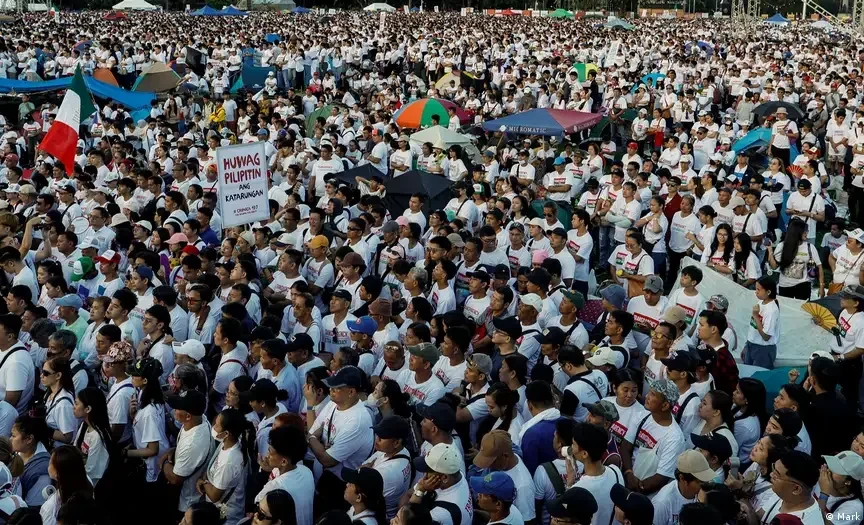
More than 2,500 delegates from 170 countries are participating in the 11th session of the conference.
The President of the UN General Assembly, Annalena Baerbock, emphasized in a video address to the participants: "Preventing and eradicating corruption is our shared responsibility."
She added that corruption fuels conflicts, exacerbates inequality, and takes away resources needed to protect people and the planet, stating: "Every dollar lost due to economic crimes is a dollar stolen from those who dream of a better future."
According to the UN Secretary-General, new technologies, including AI, can be both a tool for criminals and a means for detecting and preventing offenses.
"However, this requires regulation and accountability," he added.Acting head of the UN Office on Drugs and Crime (UNODC), John Brandolino, noted that corruption creates an "illegal infrastructure," allowing criminal groups to operate with impunity around the world. He emphasized the importance of a comprehensive approach, where different agencies collaborate across various sectors and countries. Brandolino urged conference participants to actively utilize UNODC initiatives and tools to combat corruption.
"The draft resolutions being considered at the conference address, in particular, the impact of artificial intelligence on the prevention and combating of corruption, educating youth in the spirit of honesty and integrity, increasing transparency in the financing of political parties and electoral campaigns, as well as analyzing how corruption contributes to other offenses, including human trafficking and environmental crimes," the UN News Service reported.
The convention, which came into force in December 2005, covers 192 countries, making it nearly universal.
According to the provisions of the convention, states are obliged to prevent and criminally prosecute corruption, develop international cooperation in this area, ensure the return of stolen assets, and establish technical assistance and information exchange between the public and private sectors.
"Since 2010, 146 countries have updated or adopted new anti-corruption laws and measures based on the mechanisms provided by the agreement. UNODC supports countries in implementing specific reforms to protect public resources, enhance transparency, and promote sustainable development," the statement added.
The conference is a key decision-making platform under the convention. It is held every two years to support the fulfillment of commitments and to define the directions of global anti-corruption policy.
The photo on the main page is illustrative: vox.com.